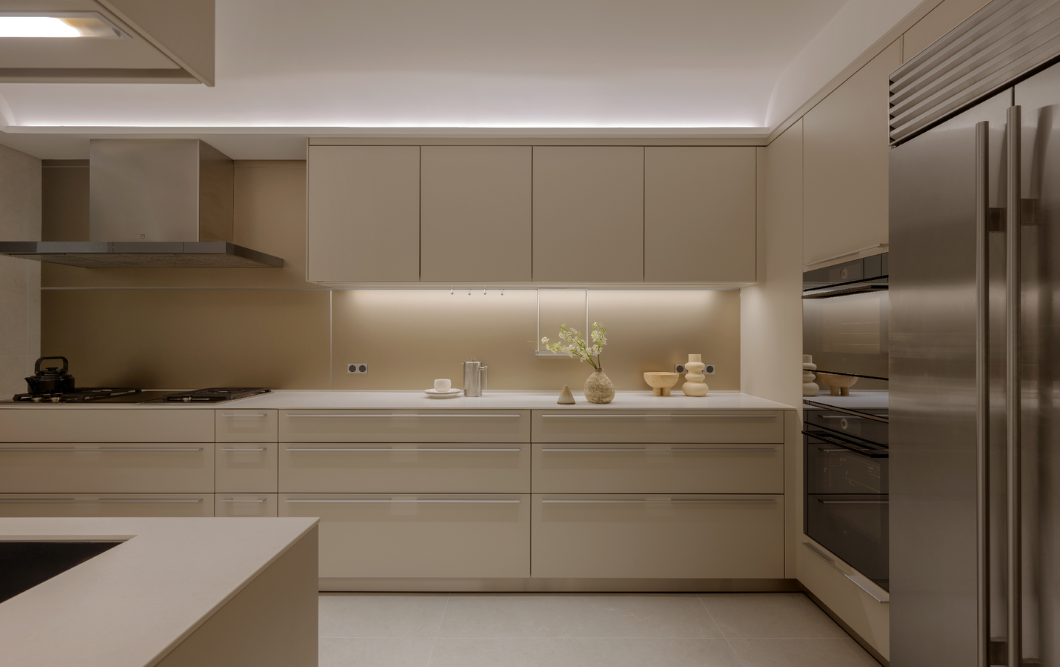
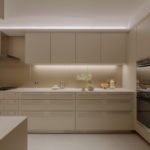
How to Design a Practical, Comfortable Kitchen That Becomes the Heart of Family Life?
This question can be split into two parts: how to create a functional and comfortable kitchen, and how to turn it into the centre of household life.

This question can be split into two parts: how to create a functional and comfortable kitchen, and how to turn it into the centre of household life.

A common challenge we encounter in residential design: daily household chores gradually take over living spaces for many families. A home may look immaculate right after renovation, yet several years after moving in, clutter accumulates, storage becomes disorganised, and cleaning turns into a hassle. Over time, the original design aesthetic gets buried under traces of daily life.

Many people searching for Hong Kong interior designers start by typing keywords like “recommended Hong Kong design firms”, “luxury home designers Hong Kong” or “Hong Kong interior design rankings”. Yet anyone who has renovated a high-end property knows rankings are no measure of design quality. Especially for homes over 3,000 square feet, a design scheme will shape your living experience for a decade or longer. Far more important than superficial aesthetic appeal is a studio’s all-round expertise.

If you’re planning a renovation recently, you may have noticed a fascinating phenomenon. A decade ago, people talked about “modern style”, “European style” and “new Chinese style”. Five years ago, conversations shifted to “light luxury” and “Italian minimalism”. Over the past two years, wabi-sabi, cream style and mid-century modern have swept the industry. Yet at the same time, a growing number of designers specialising in high-end Hong Kong homes rarely take the initiative to discuss “styles”.

From Berlin, Paris, and Milan to London and New York, the world’s finest hotels have always left lasting impressions. Yet what makes these places memorable often has little to do with expensive materials—it lies in an atmosphere that is difficult to describe, but impossible to forget.
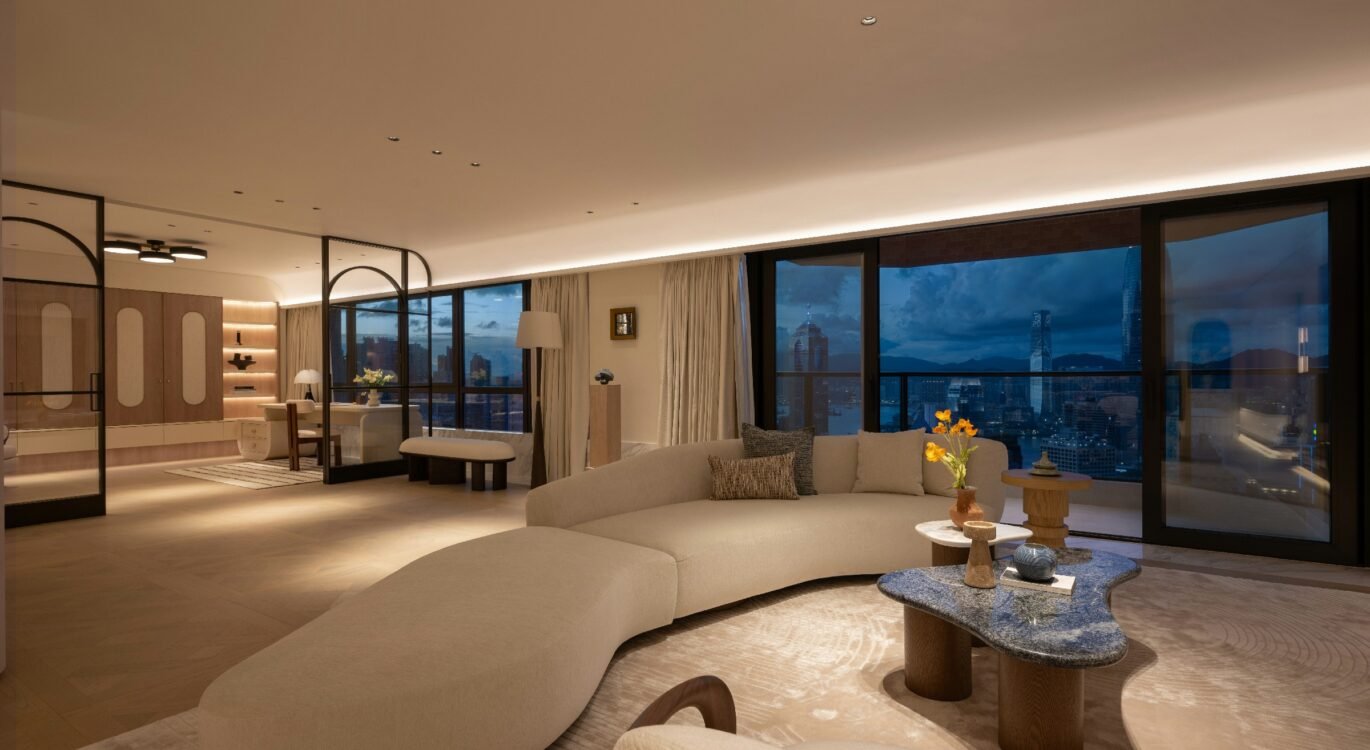
As evening falls, soft layers of light settle gently onto stone, timber, and fabrics, giving the space a sense of quiet rhythm and breath. International luxury hotels such as Conrad Hong Kong, Banyan Tree, and Mandarin Oriental have long mastered this subtle art.
Today, the language of light once reserved for landmark architecture and luxury hospitality is finding its way into private residences.

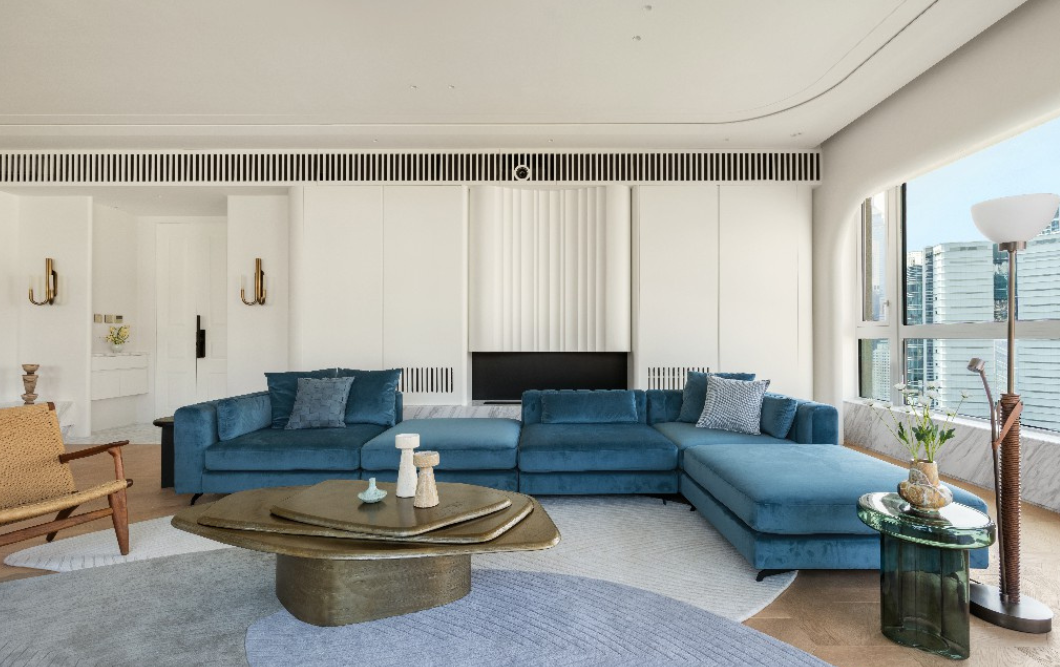
For truly exceptional residences, design is never merely about aesthetics—it is about shaping a way of life.

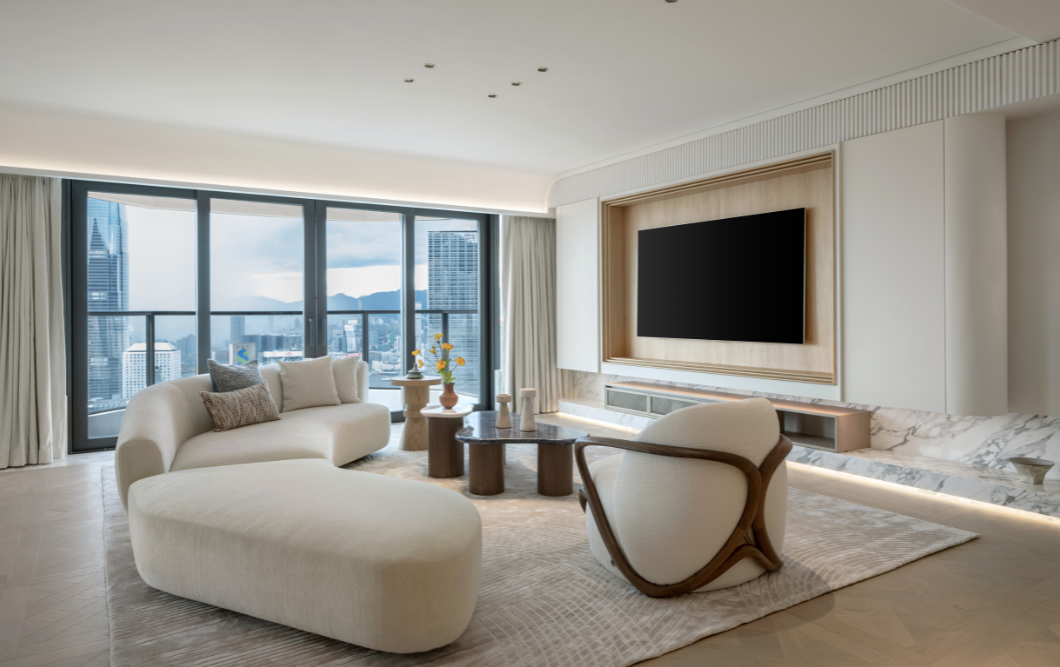
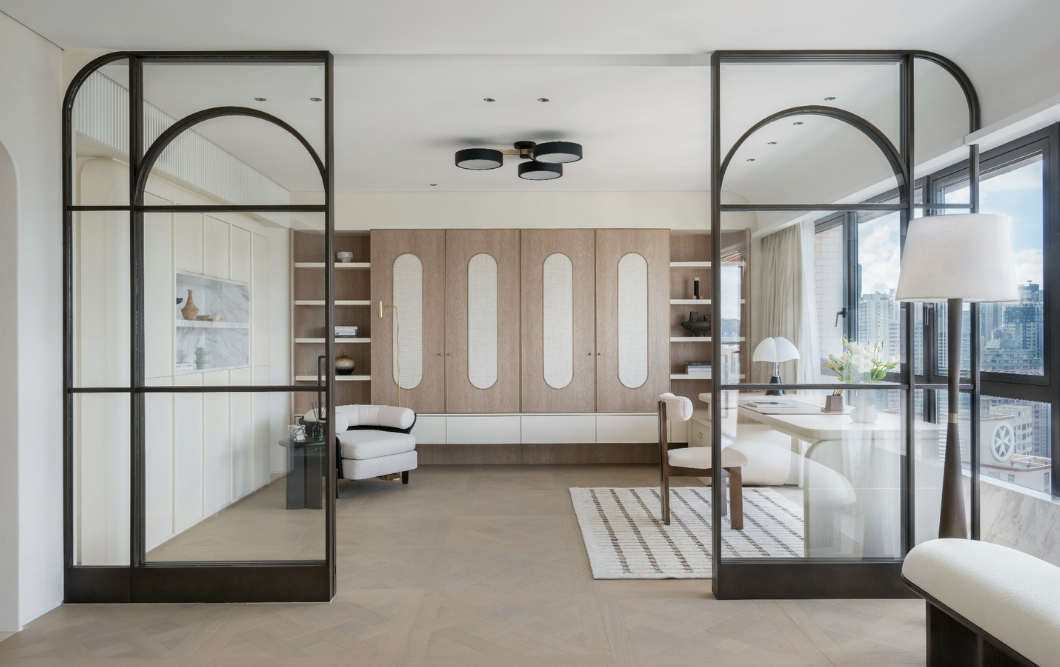
Open-plan layouts have become the mainstream choice in contemporary residential design, celebrated for their transparency and encouragement of family interaction. Yet many people discover after moving in that when all spaces are connected, finding a quiet corner for solitude becomes surprisingly difficult. How to maintain necessary “psychological boundaries” within an open layout has become an advanced challenge in high-end residential design.

In today‘s fast-moving consumer culture, many homes begin to feel “dated” just three to five years after completion. Yet there is a type of design that becomes more appealing with time, gaining character and depth. This quality is known as a “sense of time.”

Global Sourcing for Soft Furnishings has become a consensus among high-net-worth individuals seeking spatial quality as residential design shifts from mere visual stacking to deep “lifestyle curation”. In the interior design context of 2026, the key measure of a design firm’s core competitiveness lies in how it selects unique pieces globally that resonate with a project’s soul and transforms them into an ultimate living experience.

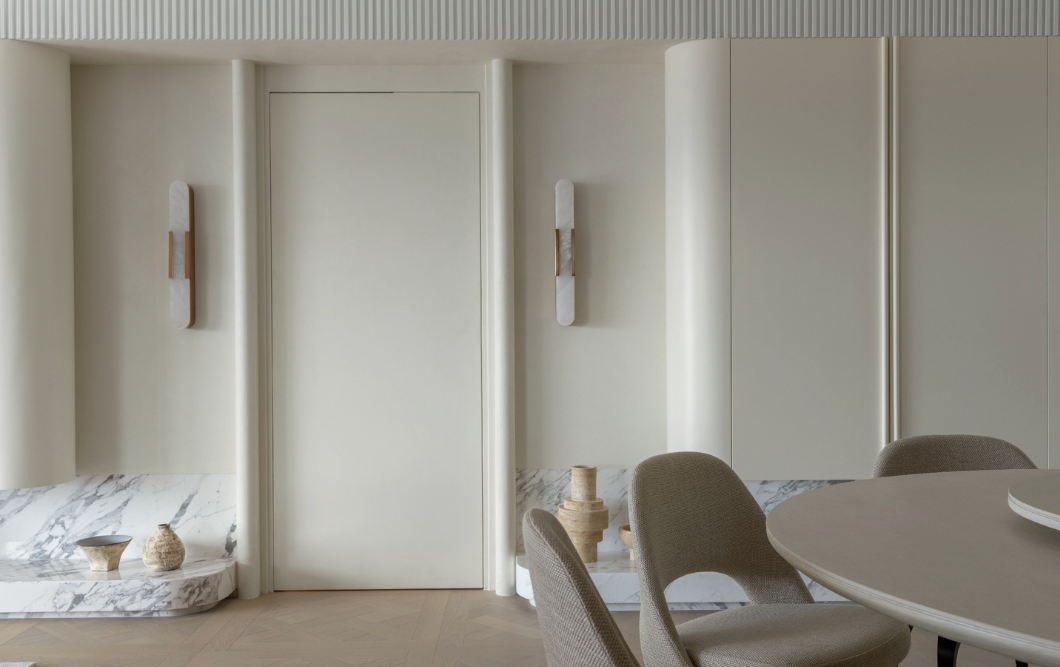
In the Hong Kong residential design market, styles evolve rapidly, from minimalism and light luxury to modern classics. However, for the growing number of quality-conscious homeowners, the real question is: What kind of design can transcend time and remain a classic?. This is the core of “Timeless Design”.