
Why Are More Luxury Residences in Hong Kong Moving Away From Stylized Design?
If you’re planning a renovation recently, you may have noticed a fascinating phenomenon. A decade ago, people talked about “modern style”, “European style” and “new Chinese style”. Five years ago, conversations shifted to “light luxury” and “Italian minimalism”. Over the past two years, wabi-sabi, cream style and mid-century modern have swept the industry. Yet at the same time, a growing number of designers specialising in high-end Hong Kong homes rarely take the initiative to discuss “styles”.
Why is this the case? Have styles become irrelevant?
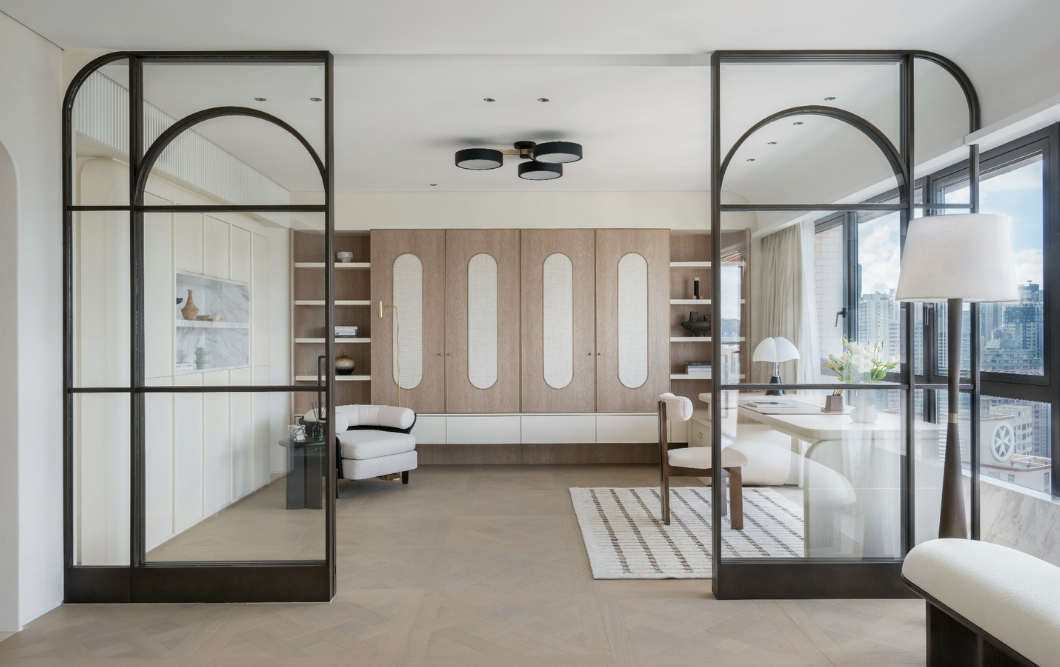
Homes that never go out of fashion are designed around life, not aesthetic styles. Over the past two decades, residential design in Hong Kong has undergone multiple obvious cycles of stylistic replacement. The industry has moved from classical European to modern minimalism, new Chinese to light luxury, followed by Italian minimalism, wabi-sabi and cream styles popular in recent years. A new aesthetic trend emerges roughly every few years. Many homeowners will ask their designers during renovations: “What style is trending this year?” But a rising number of luxury residential design firms seldom dwell on this question. They have realised that furniture and construction materials rarely date a property — style itself is the element that fades fastest. Truly outstanding homes can hardly be labelled as one single style; they remain visually pleasing a decade later and perfectly liveable after two decades.

Why Are Luxury Homes Embracing De-stylised Design? What Core Traits Do Timeless Residences Share?
Why have stylistic themes fallen out of favour for luxury housing? A clear shift can be spotted in global residential design over recent years.
Once upon a time, designers prioritised deciding “which style to implement”. Today, they focus on “what kind of lifestyle to create”. Style is merely a visual expression, while lifestyles evolve continuously over time. Luxury homes valued at tens of millions or even over one hundred million Hong Kong dollars are usually occupied by their owners for ten, twenty years or even longer.
If a design is built entirely around fleeting popular aesthetics, it will likely lose its appeal within a few short years. Truly sophisticated residences are remembered not for a passing stylistic fad, but for a unique living experience. This explains why the global design community has increasingly embraced the concept of Timeless Design in recent years.
What Kind of Residential Design Stays Perennially Appealing?
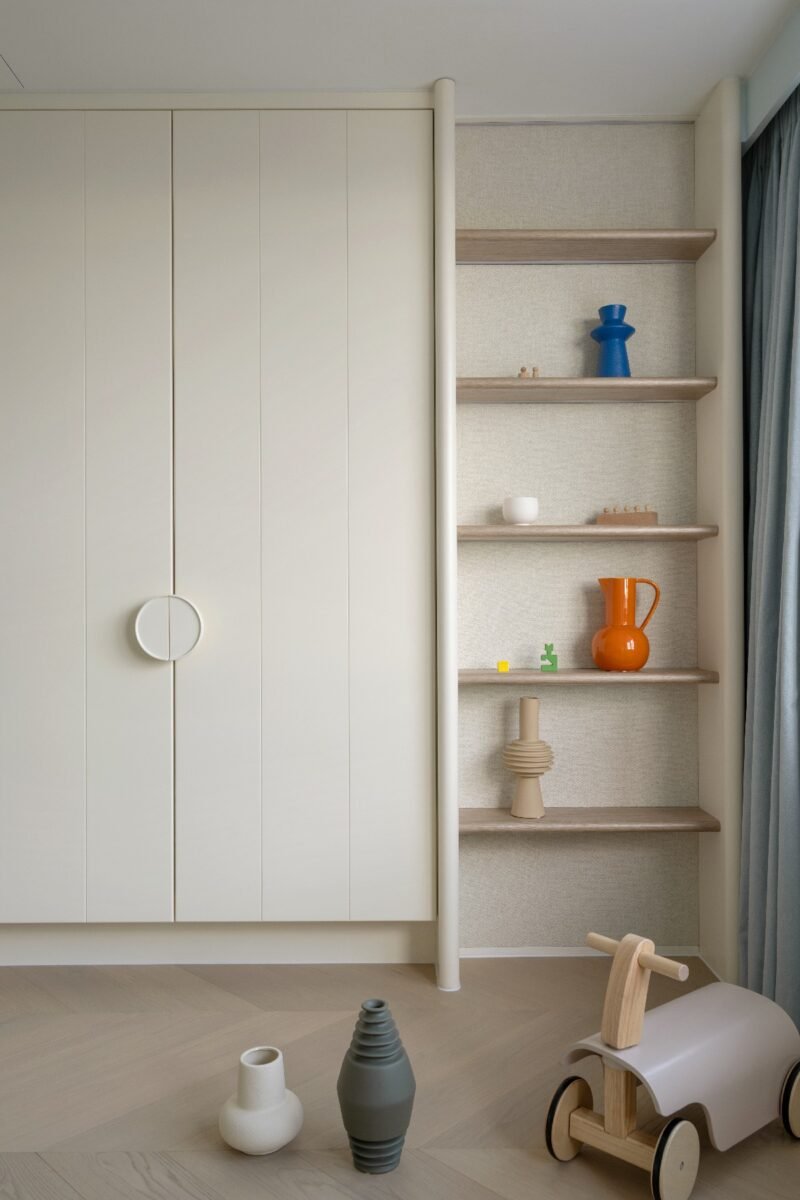
Many people assume that “timeless appeal” equals minimalism — this is far from true. Homes that retain their charm for decades generally possess five key strengths:
1.They evolve alongside changing lives instead of catering to temporary aesthetics
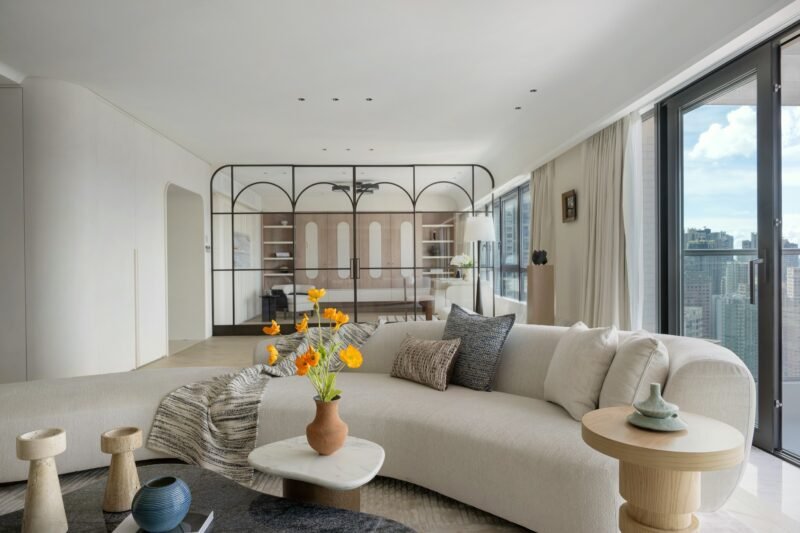
Most homes are designed only for move-in day. Exceptional residences, by contrast, are crafted for the next decade of life. Young couples welcome children, who then grow up; remote working becomes routine; elderly parents come to stay occasionally; personal hobbies shift constantly; art and collectible collections expand year by year… Great design avoids rigid, fixed layouts and reserves flexibility for future changes. This is the core reason Adaptive Living, or flexible spatial design, is widely advocated in international residential design. A home should never restrict life; it should grow alongside its inhabitants.
2.They are engineered for a full 24-hour daily experience, not just segmented spaces
Traditionally, we partition homes by function: a living room here, a dining room there, a study over yonder. But high-end design now centres on human experiences across every hour of the day. How does the morning sunlight stream into the bedroom at dawn? How does the lighting greet the owner returning home after work at dusk? How can spaces seamlessly adapt to weekend gatherings with friends? Is there a quiet nook for children to read in peace? Is there a private, soothing atmosphere for unwinding with a glass of wine late at night?
Such homes are not merely combinations of separate rooms — they are curated to match the full rhythm of daily life. This is why residential designers draw inspiration from the experiential logic of hotel and commercial interior design. Spaces do not only serve practical functions; they also fulfil emotional needs, support social interaction and cultivate daily rituals.
3.Exceptional homes gain more character and value as time passes
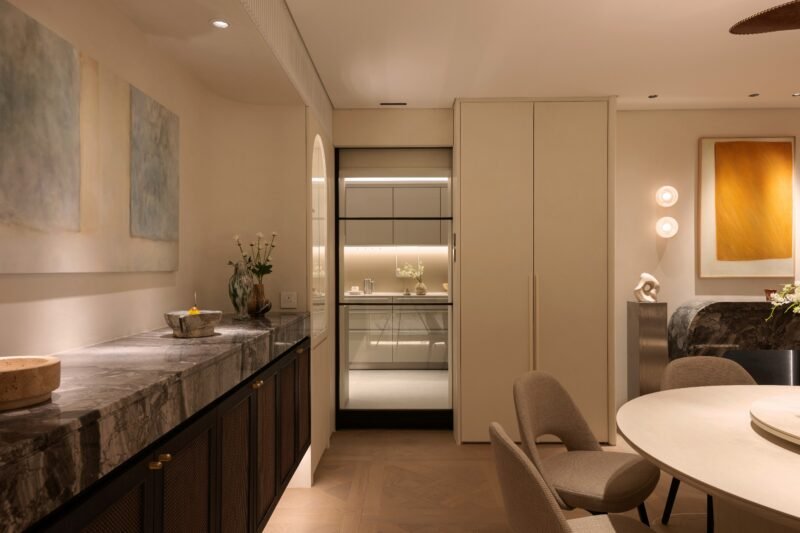
Many renovation projects look flawless upon completion but start to appear worn and outdated within a few years. Timeless residences avoid excessive intricate decorative mouldings and prioritise materials that age gracefully alongside their occupants. Natural stone develops unique textural marks over time; solid wood matures into a soft, warm patina; copper, leather and artworks gradually absorb personal traces exclusive to the household. More luxury projects are cutting down on disposable decorative ornamentation and opting for durable materials that weather naturally with use. Premium homes should not depreciate as years go by; instead, they accumulate sentimental and aesthetic value through decades of habitation.
4.Stylistic labels fade into the background, with the resident taking centre stage
In the past, homeowners would introduce their houses by style: modern, light luxury, French style and so on. Nowadays, many remarkable homes cannot be summed up in a single sentence.
Design no longer showcases a trendy aesthetic — it reflects the person who lives there. Book lovers get floor-to-ceiling library walls; art enthusiasts turn their living rooms into private exhibition spaces; passionate home cooks make the kitchen the heart of the household; people who love entertaining guests create open connected dining and living zones for casual conversation.
Luxury residential design rejects mass-produced trend templates and caters to each owner’s one-of-a-kind lifestyle. A well-designed home resembles its dweller’s personality, rather than a catalogue of decorative styles.
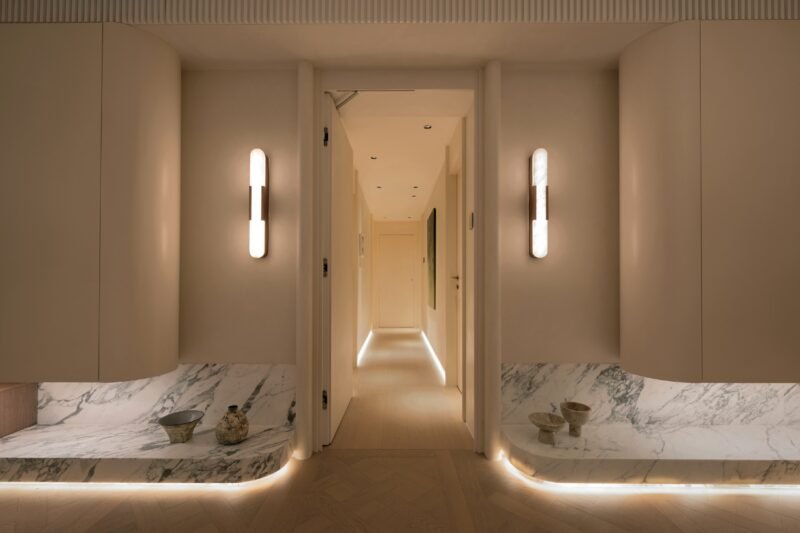
5.The most valuable asset is emotional worth, not costly materials
Discussions about luxury real estate once revolved purely around tangible luxuries: what high-end brands were used? What imported stone? What designer furniture?
Today, high-end design prioritises an intangible form of value: Does this space let you truly relax after a long day? Is there ample natural daylight? Are there layered, comforting lighting arrangements? Is there a private quiet retreat just for you? Is there a communal area that encourages the whole family to spend time together?
A home’s quality is determined less by physical furnishings and more by the experiences it delivers. Thoughtfully designed spaces slow down life’s pace, bring order to daily routines, and rebuild connections between individuals, their families and nature. These intangible comforts cannot be quantified by price, yet they form the true core value of luxury housing.
Does De-stylised Design Mean Minimalism?
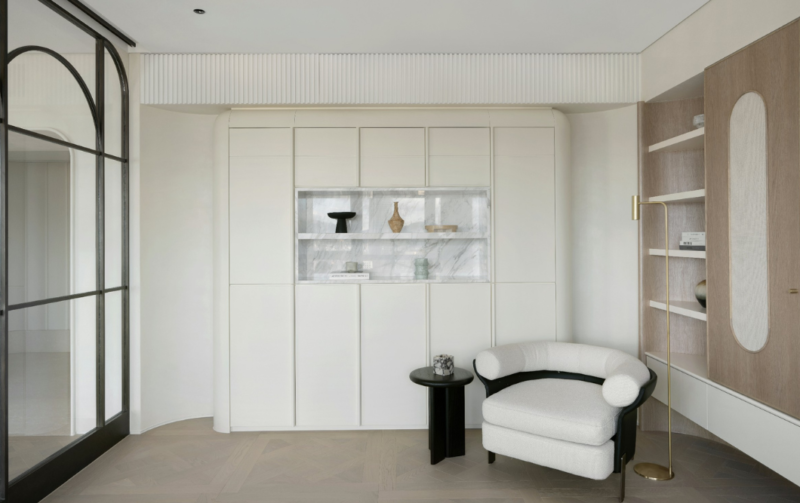
This is a frequently searched question, and the answer is no. De-stylisation does not equal a lack of design, nor does it force every room to feature plain white walls and wooden floors. True de-stylised design reduces reliance on short-lived trendy decorative elements and shifts focus to spatial proportions, lifestyle matching, natural light, material quality, fine detailing and the interplay between people and their surroundings.
Style can act as a design language, yet it must never become the ultimate goal of a project. All timeless homes circle back to one core priority: people. A house is far more than just shelter. It records a family’s growth and holds decades of future life within its walls.
Therefore, rather than chasing the next viral design trend, we should ask ourselves one critical question: Will this home still suit me ten years down the line? Homes that never feel dated do not earn that longevity from belonging to a fleeting style — they endure because they remain faithfully tailored to the people who live inside them.
Design trends will keep shifting endlessly. But outstanding homes are always designed around life, not passing aesthetic styles.