
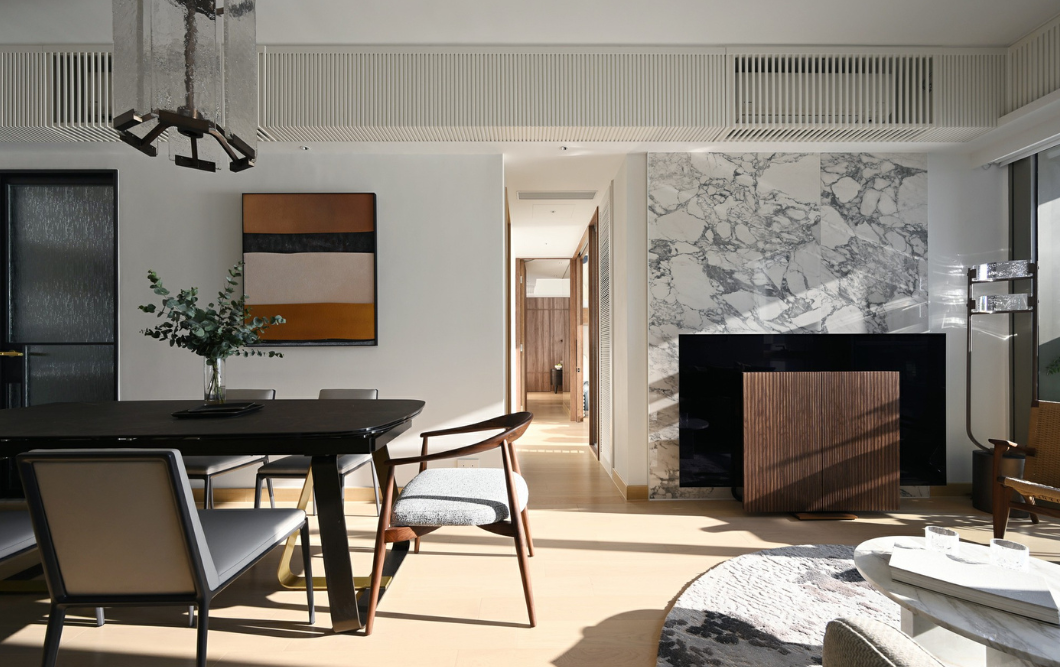
How to Use Natural Materials to Create a Warm Atmosphere in Residential Design?
In modern residential design, the creation of a warm atmosphere is shifting from stylistic expression towards a more fundamental exploration of materials. With their innate sense of warmth, traces of life, and sensory richness, natural materials have become the most authentic language for constructing the “warmth of home.”
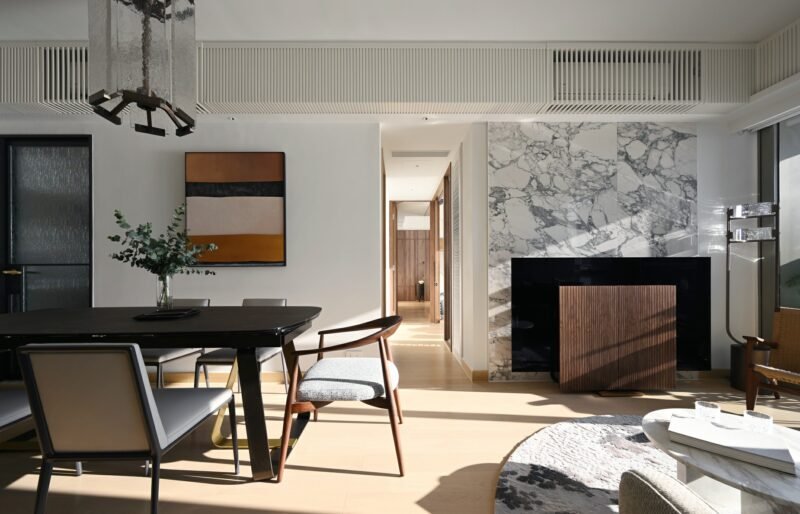
The Narrative of Material Warmth
Each natural material tells a unique story. The warmth of wood originates from its growth rings and the memory of sunlight; as light glides over the subtle grain of oak flooring, the space is infused with a soft, diffused glow. The coolness of natural stone contains the earth’s eternal constant temperature, and polished limestone walls refract a honeyed luster at dusk. Rejecting the flawless perfection of industrial production, the knots, color variations, and textural changes of these materials are a genuine expression of natural vitality, forging an emotional resonance between space and its inhabitants.
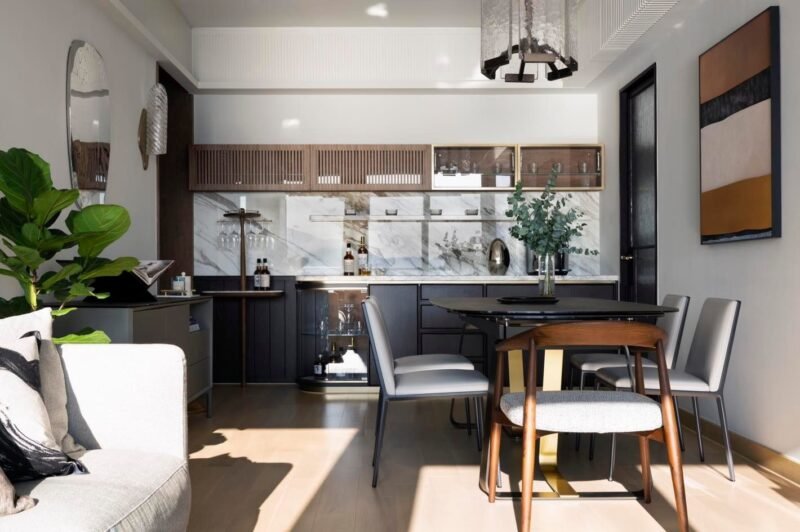
Wood: Setting the Foundation for Warmth
As the material most readily associated with warmth, the use of wood transcends flooring and furniture. Wood wall cladding significantly enhances the sense of enclosure in a space, while herringbone or chevron-patterned flooring adds dynamic visual warmth. Crucially, preserving the material’s natural finish—hand-planed textures capture light and shadow more effectively than machine-sanded surfaces, revealing a warm tactile quality. The selective use of dark woods such as charred wood creates layered contrasts with lighter tones, enriching the expression of warmth.
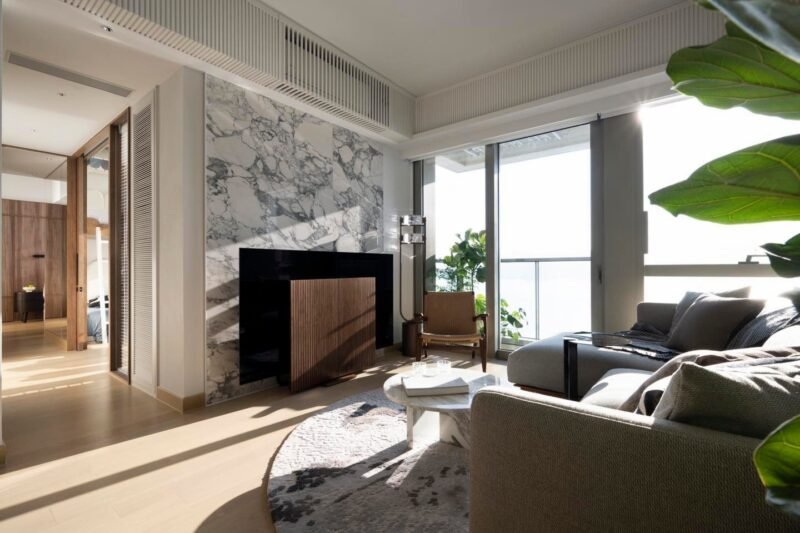
The Rustic Warmth of Stone and Terracotta
In contrast to the immediate warmth of wood, stone and terracotta convey a profound warmth tempered by time. Micro-cement or clay-plastered walls offer a unique breathability and tactile texture, creating a cave-like sense of security and tranquility. Each handcrafted terracotta tile bears subtle variations; its glazed surface reflects light softly, forming a living, organic surface when laid. When combined with ambient lighting, these earthy materials generate a soothing, immersive luminous environment.
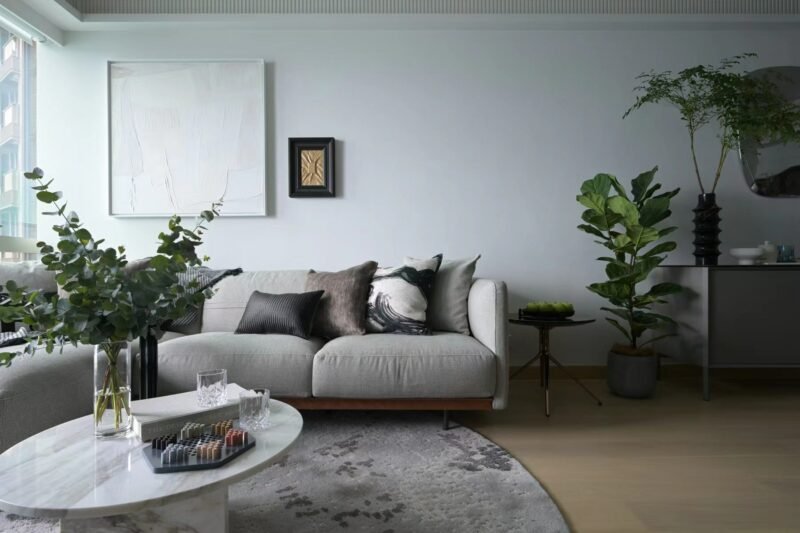
The Tactile Warmth of Wovens and Fibers
Natural fiber materials are the key tactile layer that elevates a space’s sense of warmth. The soft support of a wool carpet underfoot, the gentle glow filtered through linen curtains, and the airy texture of rattan furniture collectively craft a rich sensory experience. The beauty of these materials lies in their porosity and moisture absorption, which naturally regulate the indoor microclimate, creating physical comfort at a sensory level.
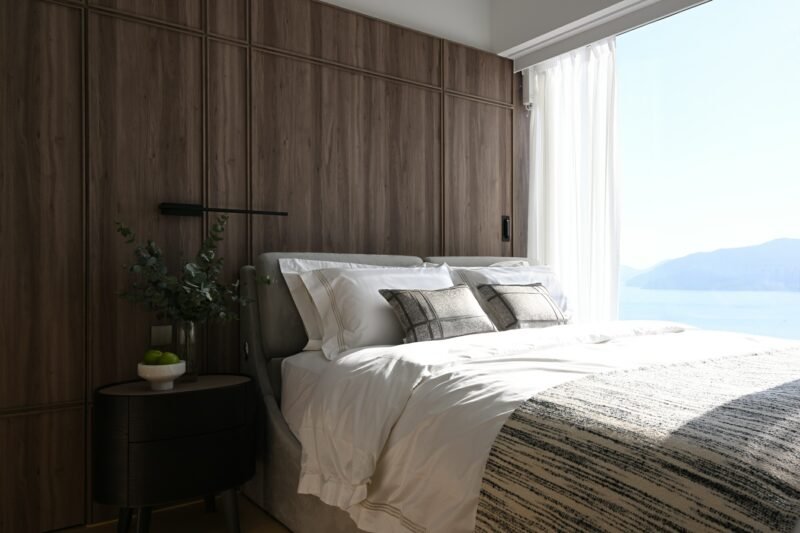
The Dance of Light and Materials
The ultimate realization of a warm atmosphere relies on the interplay between light and materials. Natural light takes precedence—the slow movement of morning light across a solid wood table through linen curtains is itself a ritual of warmth. Artificial lighting must respect material characteristics: diffused light best showcases the texture of clay walls, low-color-temperature spotlights imbue stone with warmth, and concealed LED strips cast enchanting shadow patterns from wooden grilles.
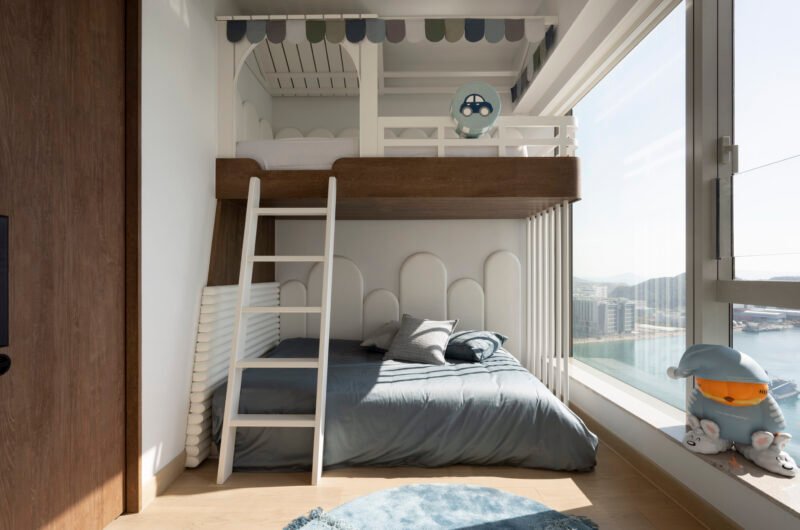
Truly successful warmth creation lies in the honesty and restraint of material selection. There is no need to pile on all natural elements; instead, choose two or three core materials for deep expression, allowing their traces of life to unfold naturally over time. When a resident’s palm rests on a lightly finished wooden handrail, or feet feel the subtle coolness and warmth of terracotta tiles that shift with the seasons, this authentic dialogue with materials is the irreplaceable source of warmth in residential design.