
How Does Soft Furnishing Design “Dialogue” with Architectural Space?
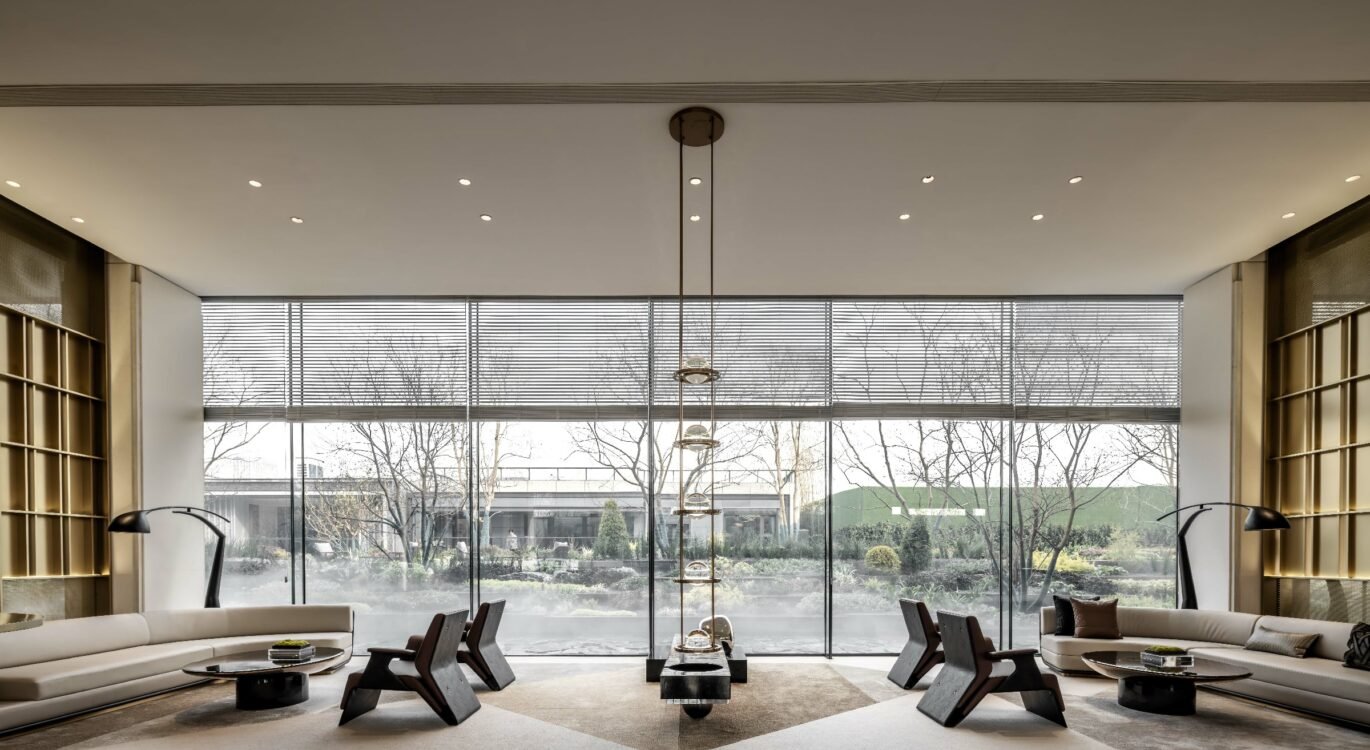
Architecture is the skeleton of a space, while soft furnishings are its flesh, blood, and soul. Truly outstanding soft furnishing design never attempts to cover up or oppose the architecture itself; instead, it engages in a continuous dialogue with the architectural space with a humble and intelligent stance. This dialogue is not only about aesthetic harmony but also a deep resonance of function, history, and emotion.
Listening to the Architectural Language of the Space
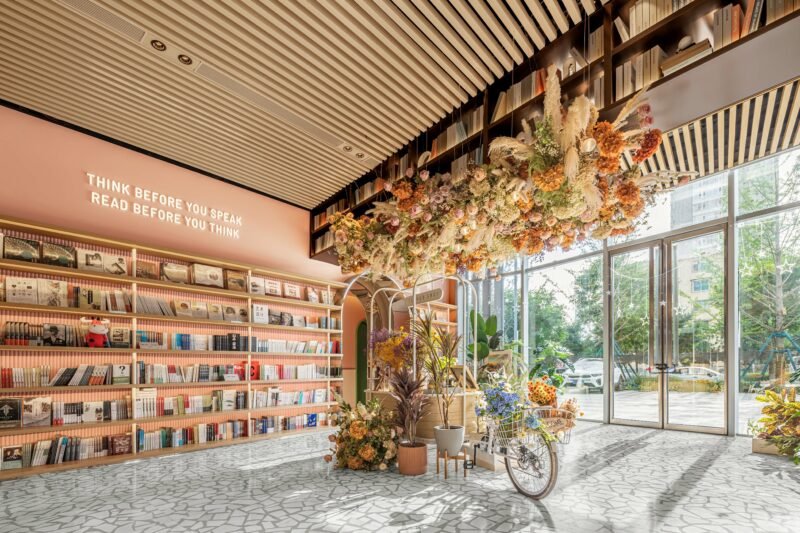
Every building has its own vocabulary: the grand narrative of high ceilings, the rhythmic cadence of arched doors and windows, and the rough poetry of concrete walls. The first step in soft furnishing design is to learn to “read” these architectural texts. In spaces with excellent floor height, curtains with strong drapability and large chandeliers extend the vertical tension; when dealing with a low attic, low-profile furniture and rugs with horizontal lines echo the space’s lazy whispers. All successful design cases first understand what the architecture intends to express, then use soft furnishings to add “counterpoint” to it.
The Duet of Materials
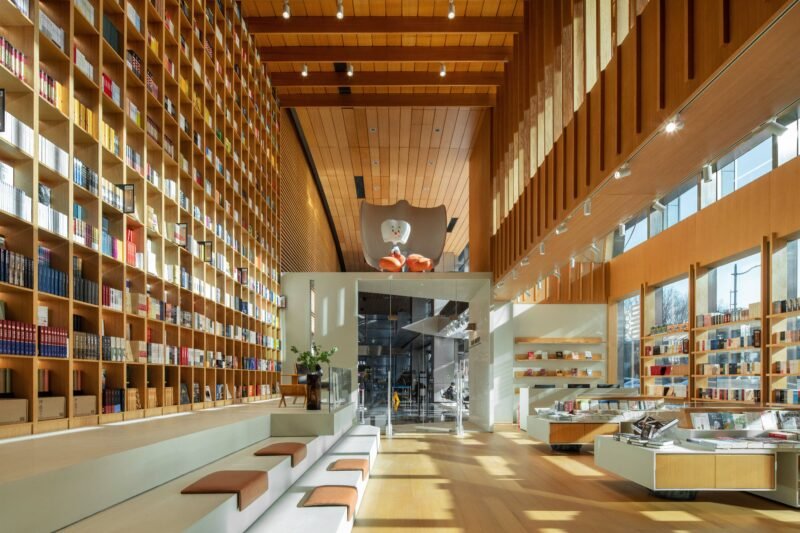
The interaction between architectural materials and soft furnishing fabrics is analogous to counterpoint in music. Exposed brick walls need the softness of woolen blankets to neutralize their coldness, while smooth terrazzo floors crave the warm touch of linen sofas. In contemporary design, this material dialogue has become increasingly sophisticated: the juxtaposition of steel structural columns and velvet chairs, the contrast between cold concrete walls and warm brass ornaments, and the interaction between the transparency of glass curtain walls and the thickness of woven tapestries. Every encounter of materials is a in-depth conversation between architecture and soft furnishings.
The Mediating Role of Light and Shadow
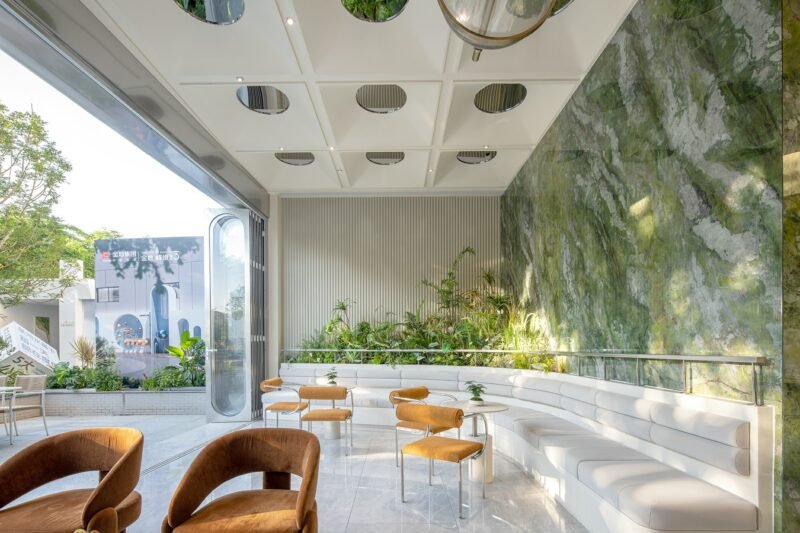
Light is the most agile “interpreter” between architecture and soft furnishings. Soft furnishing elements connect with the architecture through light and shadow: blinds transform sunlight into parallel “strings” cast on fair-faced concrete walls; crystal chandeliers paint flowing light spots on domed ceilings; sheer curtains soften the afternoon sun into a hazy glow. Smart lighting systems take this further—they can adjust color temperature and angle according to the unique characteristics of the architectural space, allowing the same space to exhibit distinctly different personalities at different times of day and night.
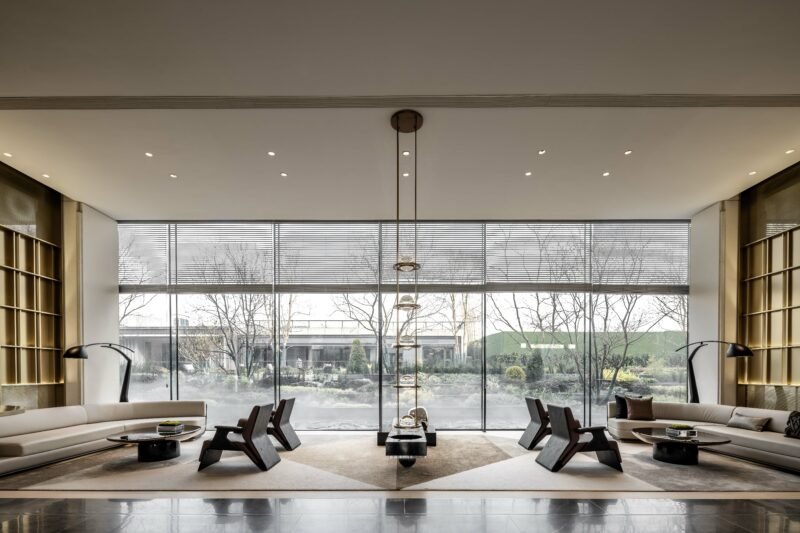
A Cross-Temporal Dialogue Between History and the Present
In historical buildings, soft furnishings take on the mission of connecting the past and the present. Modern minimalist furniture in an old Western-style house is not a betrayal of history, but a dialogue with the past using contemporary language. Weathered walls require simple soft furnishings to avoid overly emotional expressions, while classical moldings need the contrast of modern artworks to regain vitality. This design strategy not only respects the historical value of the architecture but also injects it with the vitality of contemporary life.
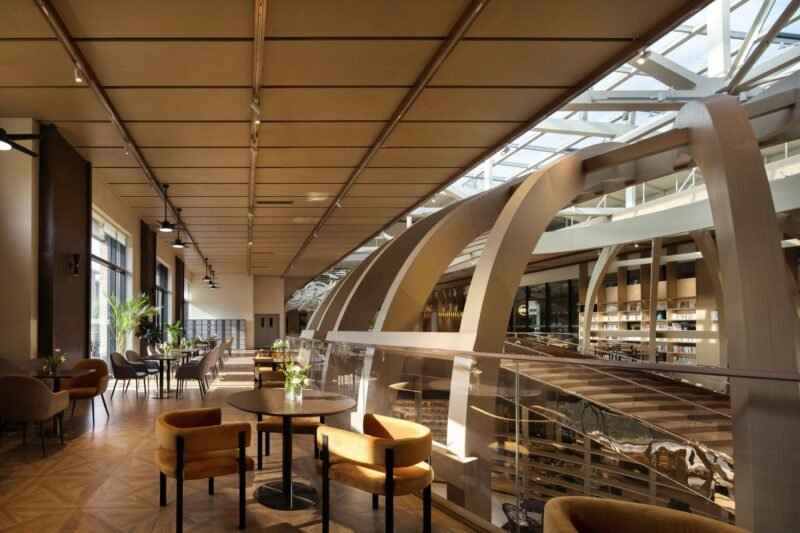
The Poetic Transformation of Functionality
The dialogue between soft furnishings and architecture is not only about aesthetics but also about functionality. An obtrusive structural column can be transformed into a space divider through custom bookshelves; a narrow corridor can be made open and bright with mirror decorations and lighting design; under a sloped ceiling, custom furniture can turn the area into a comfortable reading nook. These solutions not only respond to the limitations of the architecture but also transform them into unique design highlights.
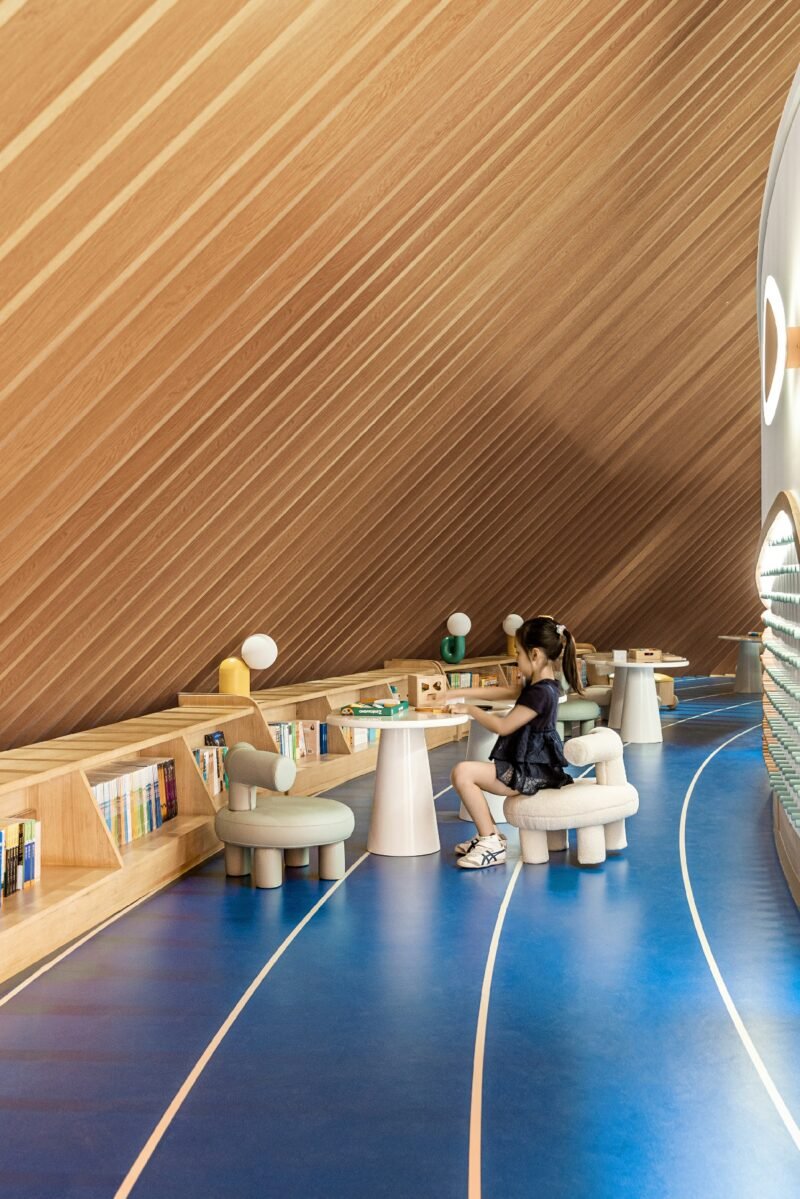
The Resonance of Cultural Symbols
Localized design is an important dimension of the dialogue between architecture and soft furnishings. Soft furnishings crafted using local traditional techniques form an interesting dialogue with modern architectural language: the white walls and dark tiles of Jiangnan water towns paired with indigo-dyed printed fabric soft furnishings; the wooden structures of northern Chinese quadrangle courtyards matched with coarse cloth embroidery; the colonial-style architecture of Lingnan arcade buildings integrated with rattan weaving elements. This cultural resonance endows the space with a deeper sense of identity and belonging.
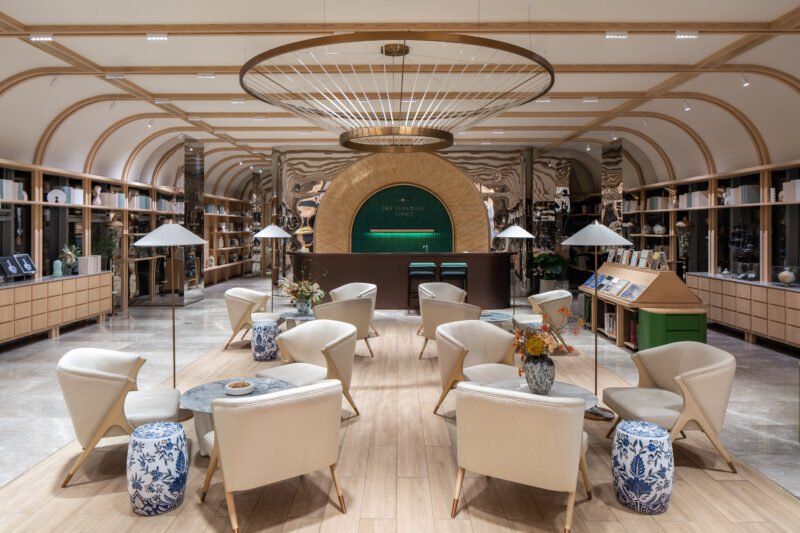
When soft furnishings truly achieve a dialogue with the architectural space, the space is no longer a static container but a field full of narrative power. This dialogue does not require one party to overwhelm the other; instead, it pursues a delicate balance—there is both tension from contrast and harmony from unity. In the end, the reason why those successful spaces move us is precisely because every piece of furniture, every painting, and every curtain in them is singing a harmonious duet with the architectural space.