
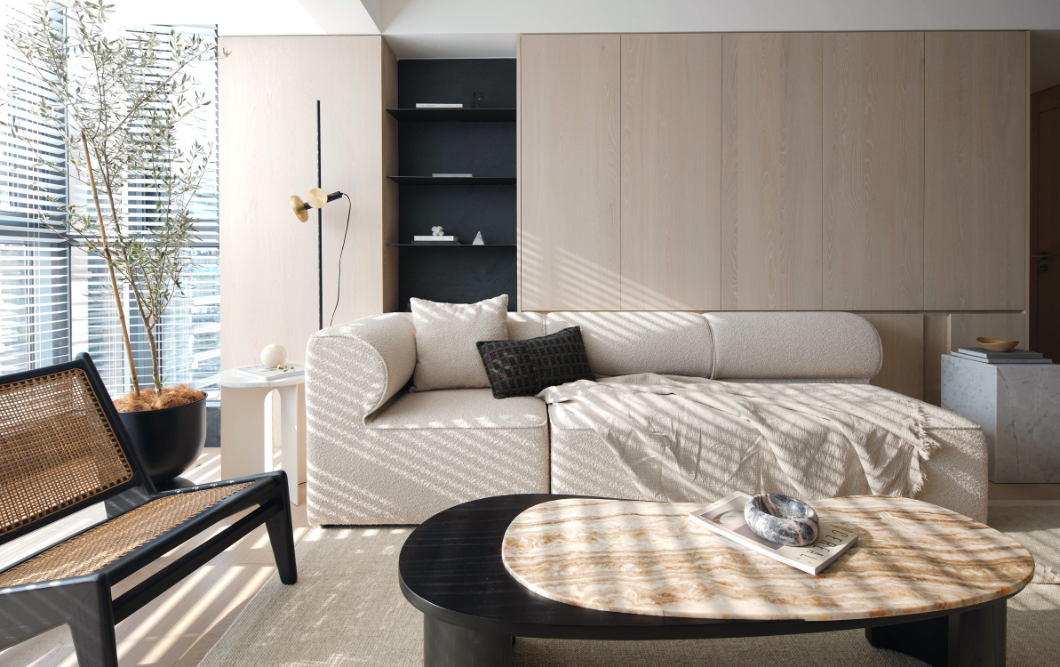
How to Create a “Sense of Spiritual Comfort” in Residential Interior Spaces?
In an era of material abundance, the significance of home has long transcended its role as a mere physical shelter, evolving into a haven that nurtures the soul. True comfort stems not only from physical relaxation but, more importantly, from spiritual joy and tranquility. Cultivating a “sense of spiritual comfort” in interior spaces is a profound pursuit of contemporary interior design.
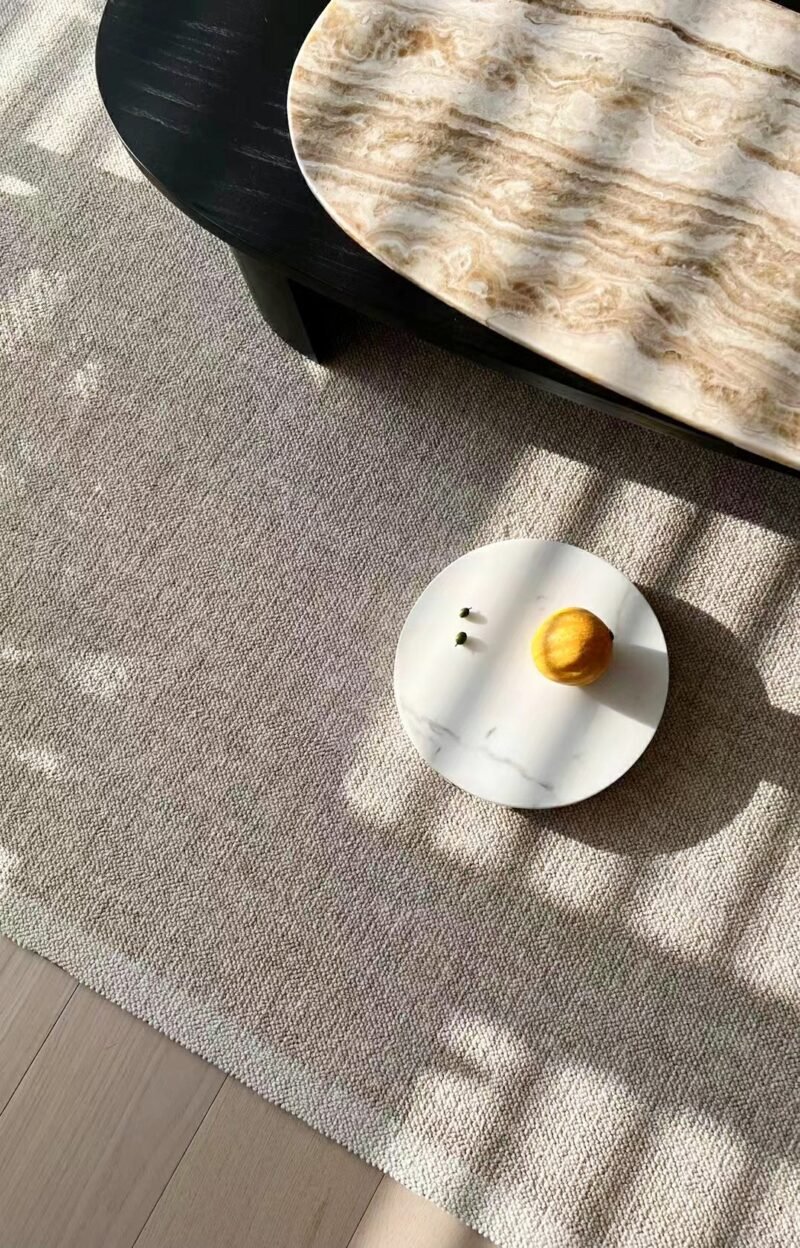
The Poetic Infiltration of Natural Light
Light is the soul of a space. Maximize the introduction of natural light, allowing the soft glow of dawn and the gentle hues of dusk to flow freely throughout the interior. Opt for curtains with excellent light transmittance, install light-colored walls that reflect light, and arrange seating or lounging areas along the path of sunlight—enabling residents to resonate in harmony with the natural rhythm. The changing patterns of light do not merely illuminate the space; they also reveal the tranquility within the heart.
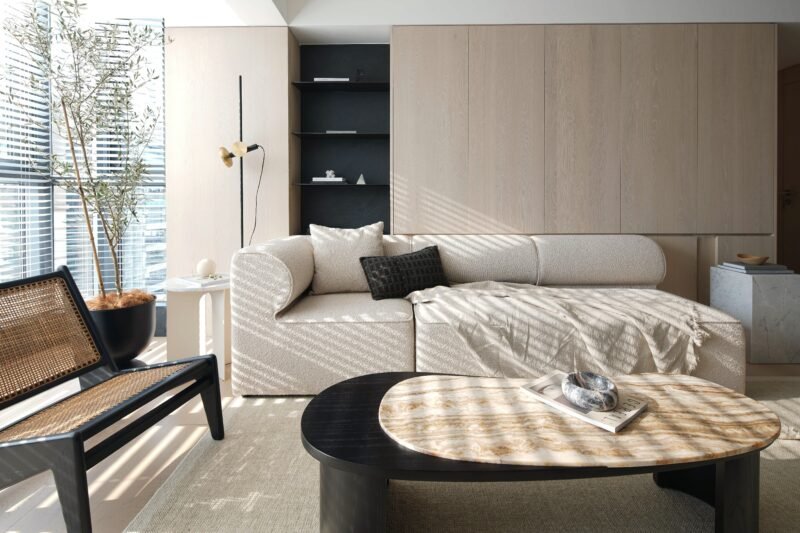
The Temperature Conveyed by Material Textures
Choose natural, breathable materials: the warmth of solid wood, the softness of cotton and linen, and the simplicity of rattan. These materials, bearing the marks of life, awaken our most authentic tactile memories. The reassuring feel of bare feet on solid wood floors, the embracing comfort of curling up on a linen sofa—all these subtly soothe anxiety and rebuild an intimate connection between humans and objects.
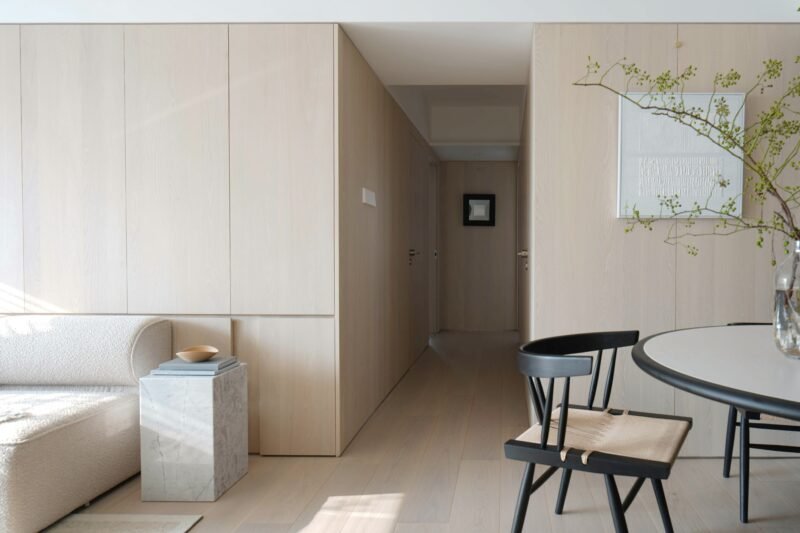
The Soothing Rhythm of Visual Layers
Avoid the two extremes of monotony and clutter. Create a soothing visual rhythm through gradual changes in color brightness, the balance of curved and straight forms, and the interplay of void and solid in space. Empty walls provide a “harbor” for wandering thoughts, while soft curves soften the sharp edges of modern life—turning every corner the eye touches into a pleasing scene.
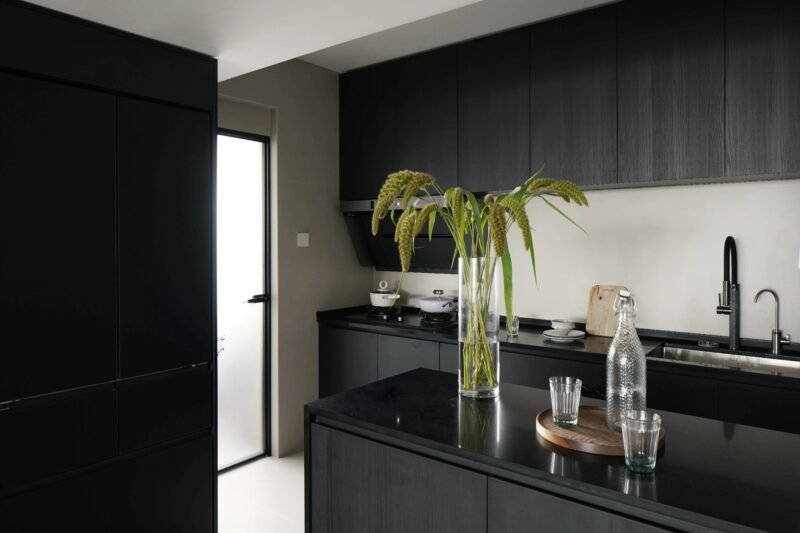
Emotional Transition Through Functional Zoning
A home should be a “container” that accommodates different moods. Through clever zoning, create transitional spaces for emotional shifts: from the ritual sense of returning home at the entrance, to the open, social atmosphere of the living room, and finally to the absolute privacy of the bedroom. Each area has a clear emotional orientation, helping residents naturally switch between different mental states.
Emotional Connection Through Carriers of Memories
Let the space become a “museum” of family stories. Deliberately preserved old furniture, handicrafts collected from travels, and a wall covered with a child’s growing doodles—these items, etched with personal marks, touch the heart more deeply than any decoration. They give the house a unique “personality,” turning it into a true spiritual home.
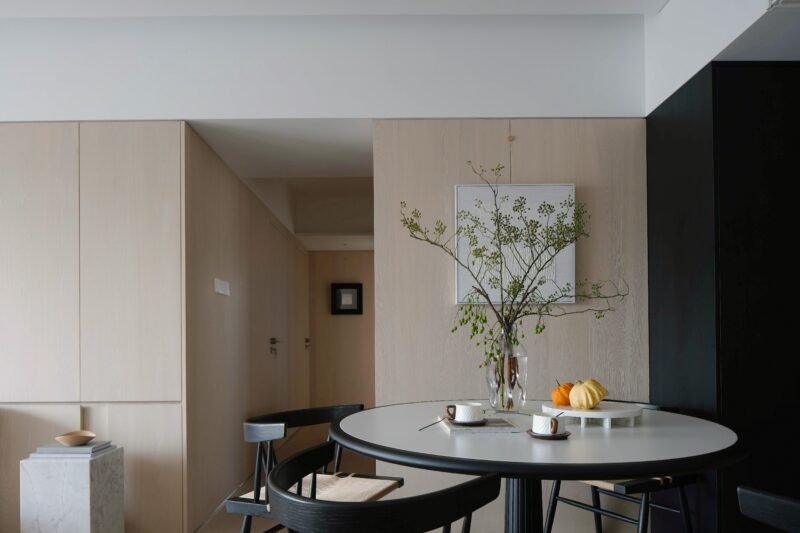
Essentially, the spiritual comfort of a residence is a deep insight into and response to the inner needs of its residents. It does not lie in chasing trendy styles, but in building a spatial order that can “communicate with the soul.” When every design detail speaks of an understanding and respect for life, the home becomes a spiritual “container” for settling the body and mind—elevating daily life into a ritual that nourishes life.