
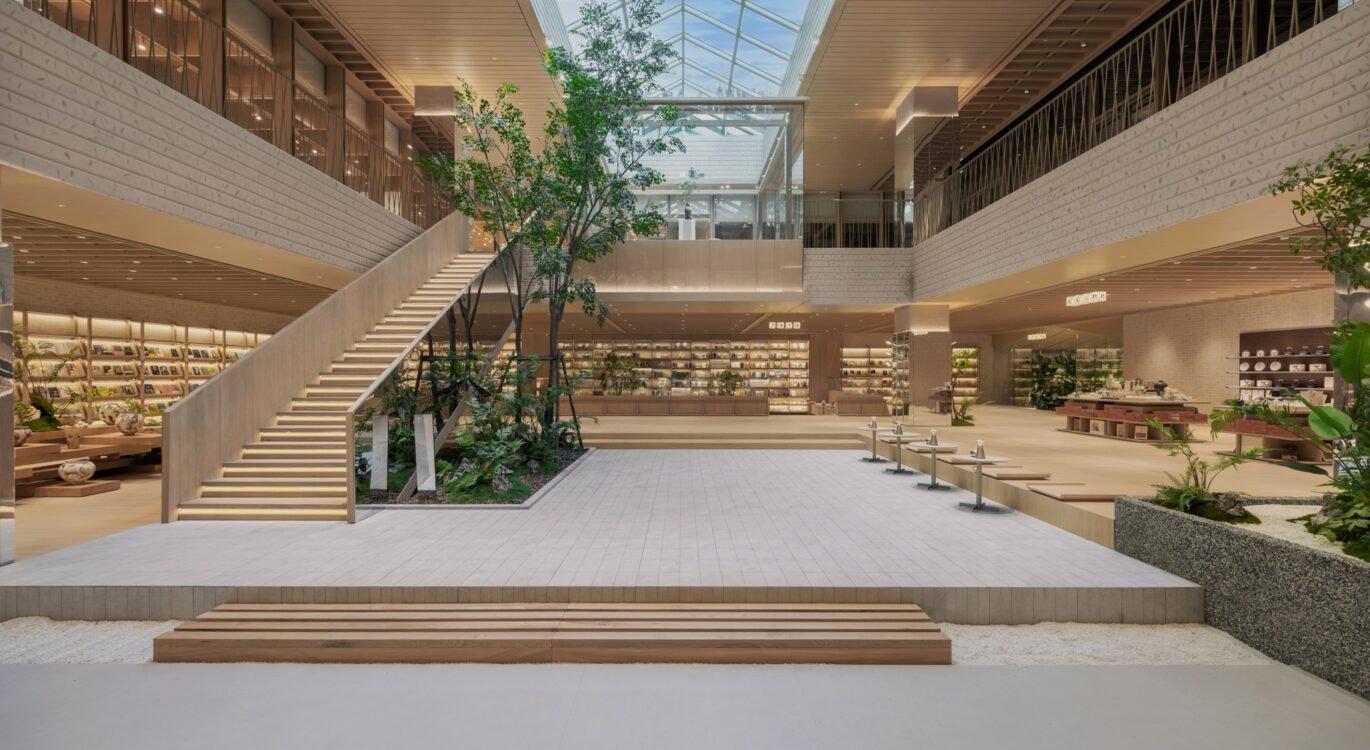
Localization Design Strategy: How to Make Space Tell Local Stories?
In today’s world swept by the tide of globalization, localized expression in space design has become a crucial force against homogenization. A truly touching space should be like an open local chronicle, telling the unique stories of the land in a vivid way through its distinctive design language.
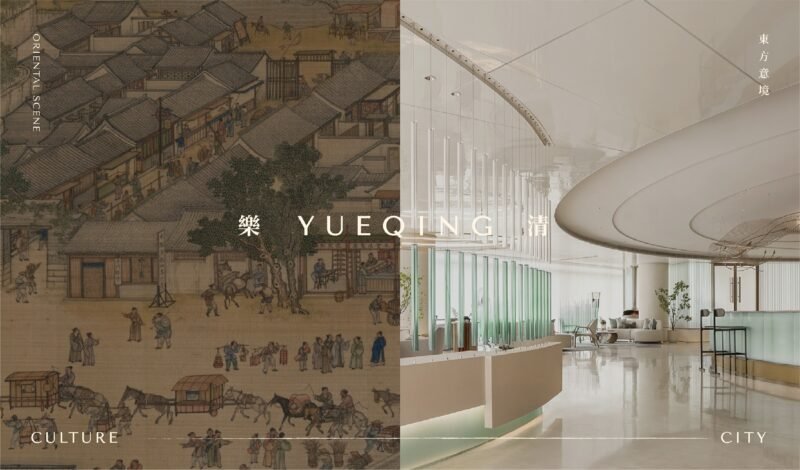
Digging Deep into Local Cultural Genes
The starting point of localized design lies in in-depth interpretation of local culture. This goes beyond extracting visual symbols; it requires understanding the underlying natural conditions, lifestyles, and humanistic spirits. Designers need to conduct fieldwork like anthropologists—observing the daily lives of local people, documenting the construction wisdom of traditional architecture, and perceiving the characteristics and emotional connotations of regional materials. Only by truly deciphering the “cultural code” of a place can the design go beyond superficial imitation and achieve the inheritance of spiritual essence.
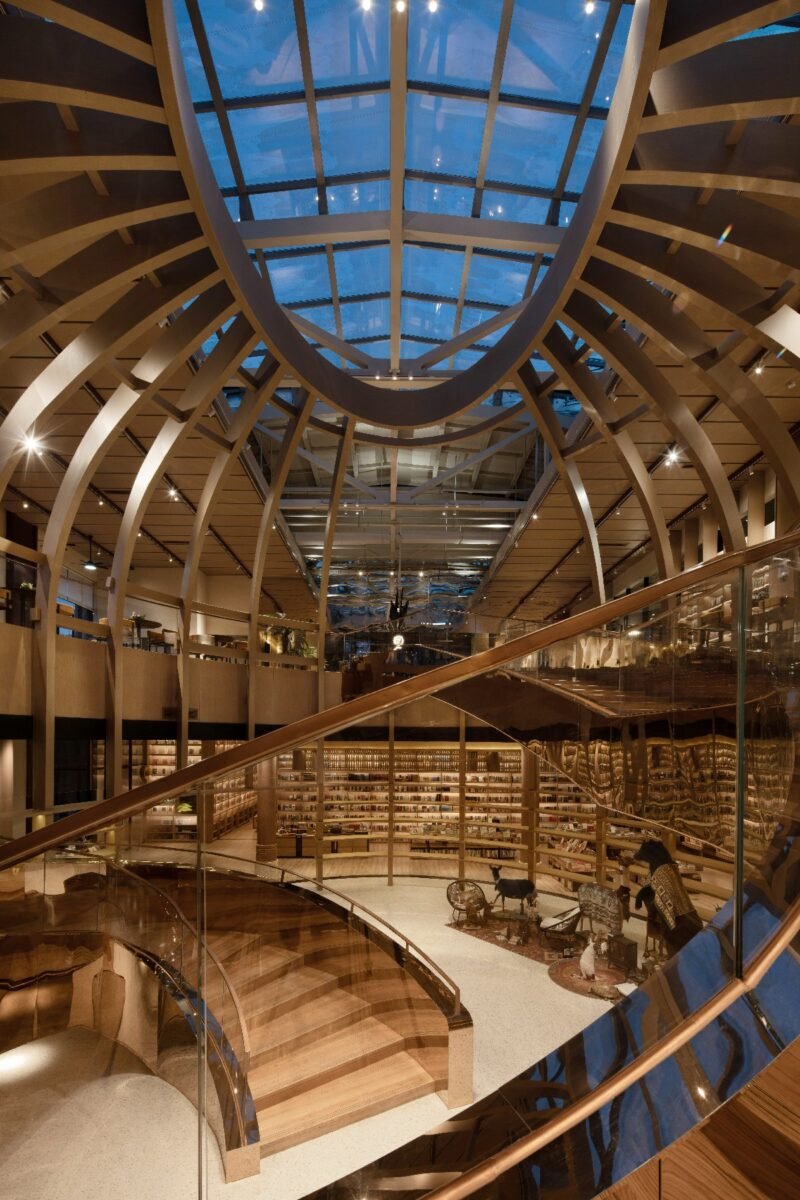
Contemporary Translation of Traditional Elements
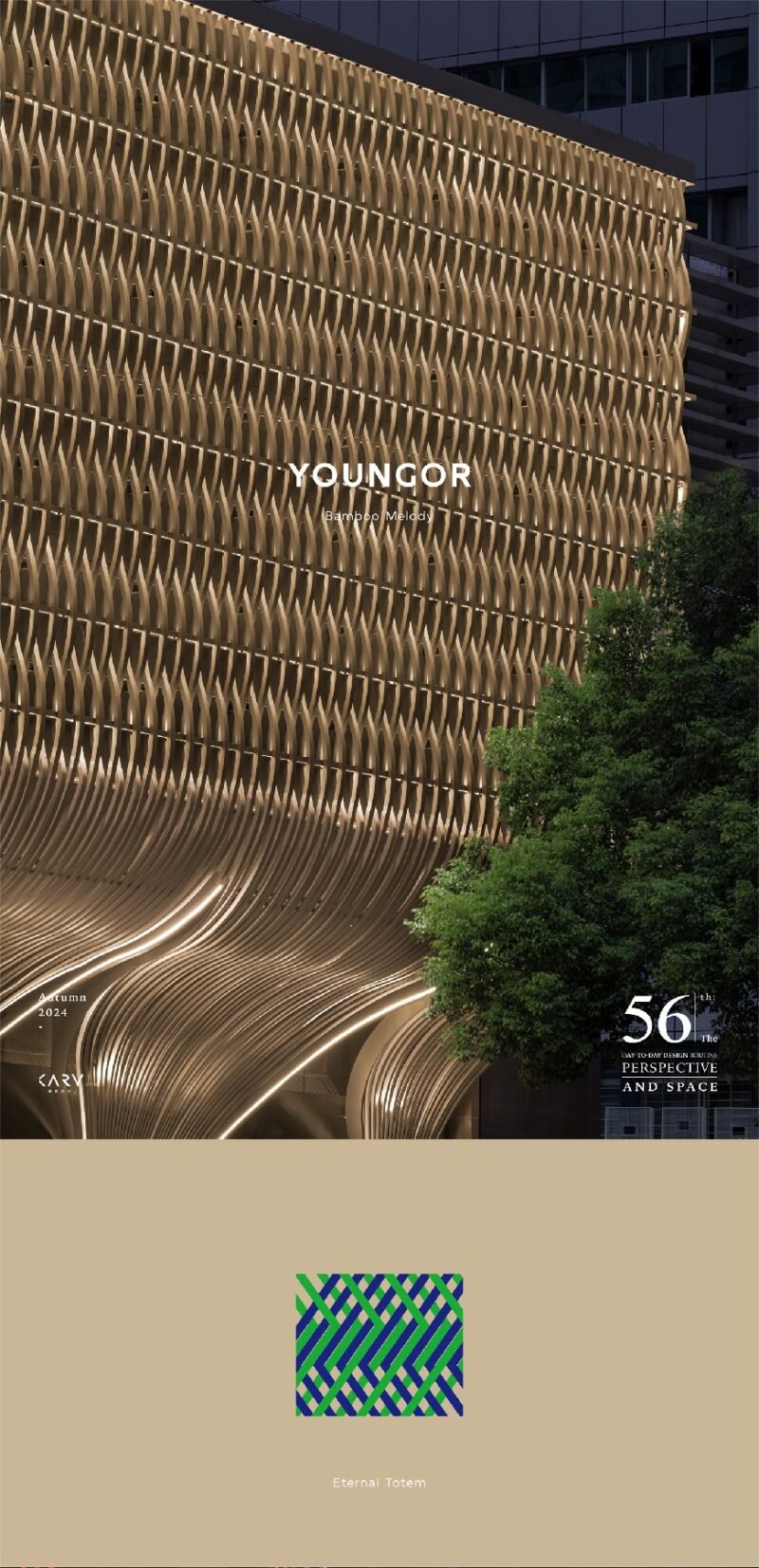
Simply copying traditional elements will only create anachronistic antique-style scenes. The core of genuine localized design lies in “translation”—converting traditional wisdom into contemporary design language. For instance, abstracting the sloped roof shape of local residences into the outline of modern spaces, transforming the woven textures of traditional craftsmanship into the modern structure of room dividers, and reinterpreting locally characteristic materials using contemporary technology. This kind of creative transformation gives traditional elements a new lease of life in contemporary spaces.
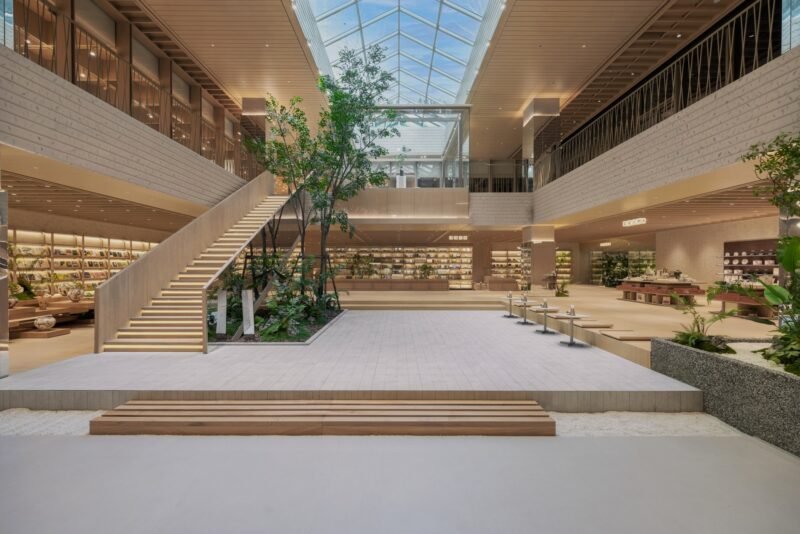
The Narrative Power of Local Materials
Materials are the most straightforward language for telling local stories. Local natural materials such as stone, wood, and earthen tiles not only carry the memories of the geographical environment but also develop unique textures after years of tempering. Prioritizing the use of local materials in design not only reduces transportation energy consumption but also allows every texture in the space to narrate the stories of the land. Materials with traces of time, such as beam columns dismantled from old buildings and bricks and tiles hand-fired by local craftsmen, are often the most touching storytellers.
The Living Inheritance of Craftsmanship
Local traditional craftsmanship is a living carrier of cultural memories. Cooperating with local craftsmen and integrating the declining craftsmanship into contemporary design not only injects unique personalities into the space but also realizes the social value of cultural inheritance. Whether it is wood carving, lacquer art, or weaving, these crafts filled with the warmth of handwork endow the space with an appeal that machine production can never replicate.

The ultimate goal of localized design is not to create nostalgic scenes, but to build a spatial experience that can resonate emotionally with contemporary people. When visitors touch the texture of local materials, feel the contemporary interpretation of traditional wisdom, and experience the unique regional atmosphere in the space, this space successfully bridges the past and the present, allowing local stories to be continuously passed down in the context of the new era.