
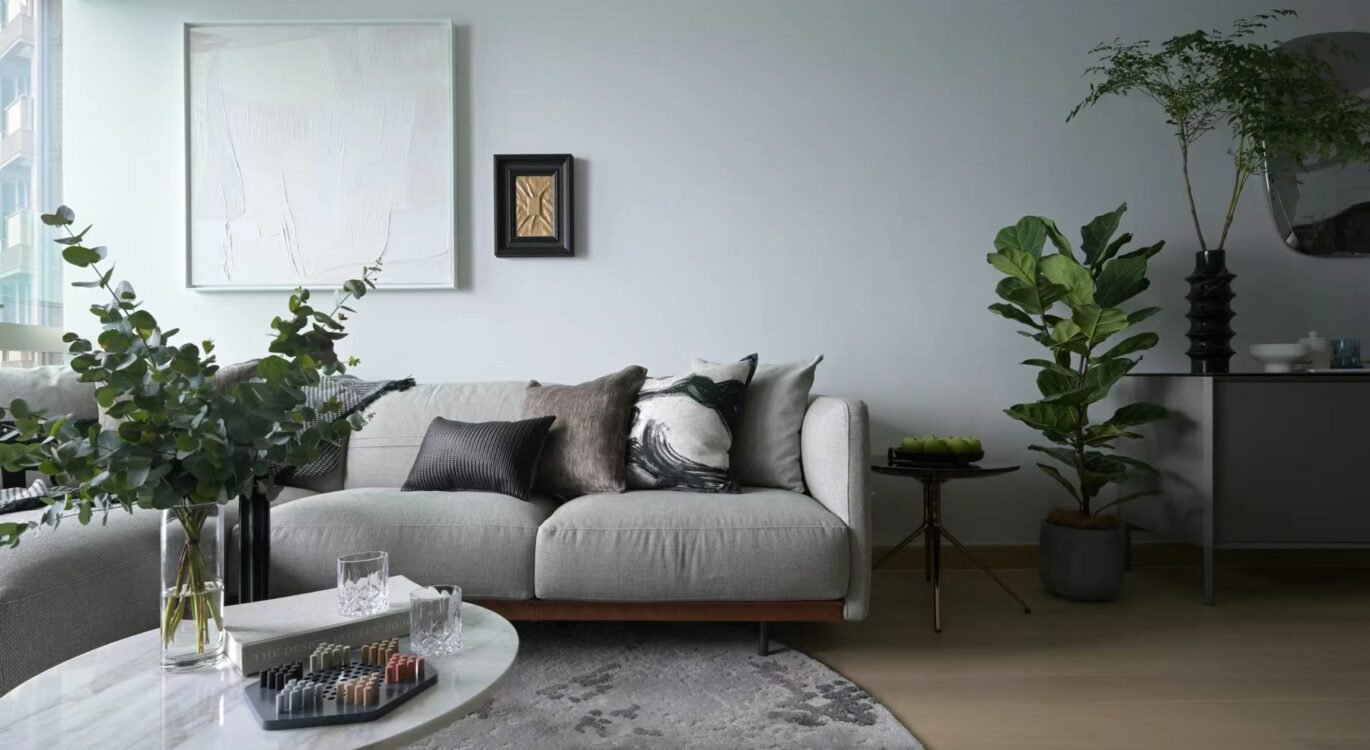
The Layout Logic of Furniture and Furnishings: Creating a More Orderly Space
Furniture and furnishings are the soul of interior design. They not only directly reflect the functionality of a space but also serve as the key to forging spatial order and aesthetic appeal. An excellent furniture layout can weave seemingly independent furniture elements into a harmonious whole, creating a living environment that is both well-organized and vibrant with vitality.
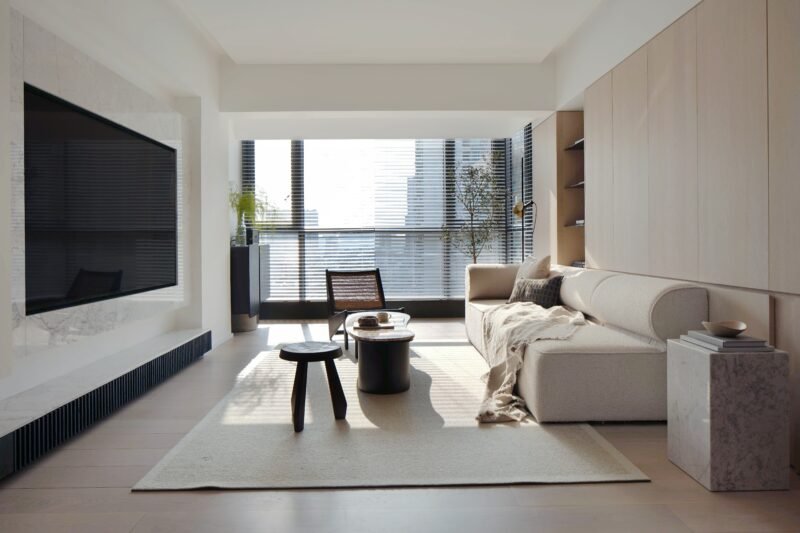
Understanding the Inherent Nature of the Space
Every space has its unique character and needs. Before starting the furniture layout, we must first “read” the space’s “language”: What is the size of the room? What are the lighting conditions? What are the circulation requirements? The answers to these fundamental questions will determine the basic direction of the furniture layout. Large spaces need to foster an intimate atmosphere, while small spaces should pursue a sense of transparency. Bright spaces can boldly incorporate dark-colored furniture, whereas spaces with insufficient light require light-colored furniture to enhance brightness.
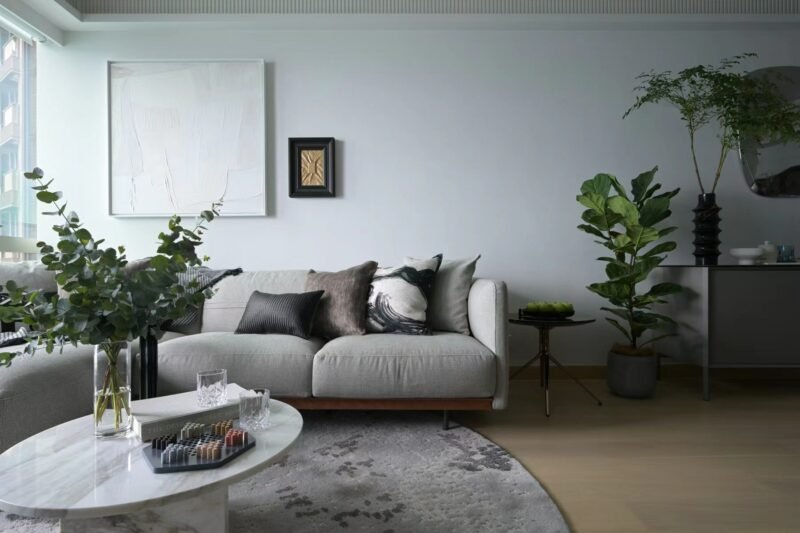
Intelligent Considerations for Circulation Design
The core of furniture layout lies in the precise grasp of circulation paths. A well-designed circulation path should be like a clear stream—natural and smooth. The width of main passages should be maintained at least 80 centimeters to ensure comfortable passage; secondary passages can be appropriately narrowed but should not be less than 60 centimeters. Furniture placement should follow the principle of “zoning for dynamic and static activities”: place static furniture such as sofas and beds against walls to free up sufficient activity space; position frequently used furniture within easy reach to avoid unnecessary detours.
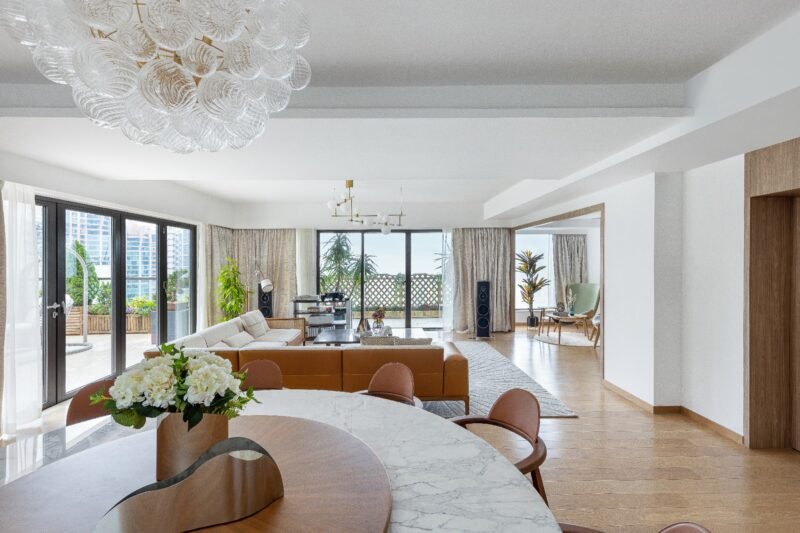
Logical Division of Functional Zones
The versatility of modern living spaces requires furniture layouts to take functional zoning into account. Through the clever arrangement of furniture, an open space can be naturally divided into different functional areas. A bookshelf can serve as a soft partition between the living room and study; a sofa set can enclose a guest-receiving area; a carpet can define a relaxation zone. These invisible boundaries not only maintain the integrity of the space but also endow each area with unique functional attributes.
Precise Grasp of Scale and Proportion
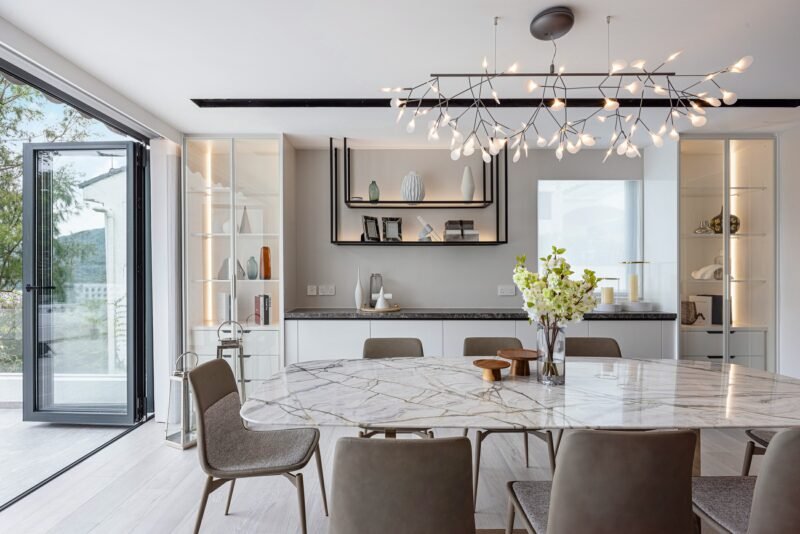
The proportional relationship between furniture and the space is crucial. Overly large furniture will make the space feel cramped and oppressive, while excessively small furniture will rob the space of a sense of stability. The ideal scenario is that furniture occupies 40% to 60% of the space area, leaving ample room for activities. Meanwhile, the proportions between different pieces of furniture also need to be coordinated: the height of a coffee table should be level with the sofa seat, the height of a dining table must match that of dining chairs, and the dimensions of a desk should complement those of a desk chair.
The Art of Negative Space and “Breathing Room”
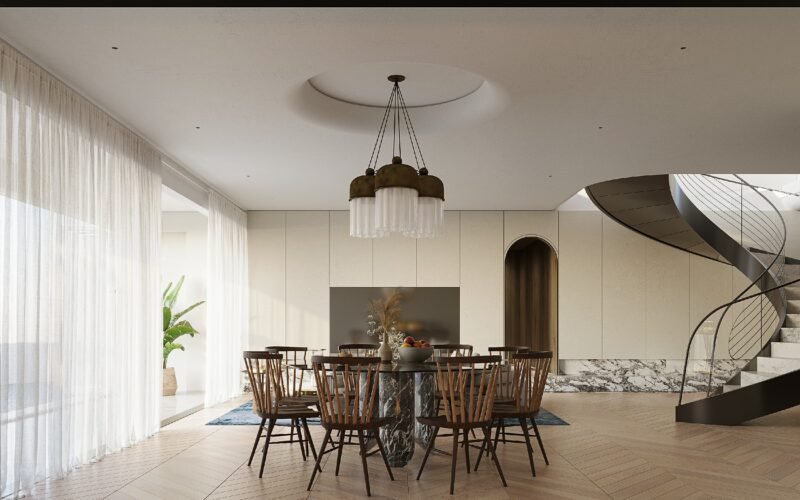
Furniture layout requires the wisdom of negative space (leaving empty areas). Appropriate negative space not only makes the space appear more spacious but also provides a “resting place” for the eyes. Leaving blank areas on walls, keeping corners open, and reserving transition zones between functional areas—these seemingly “useless” spaces are precisely the key to enhancing the quality of the space.
When furniture layout adheres to inherent logic and order, the space will naturally exhibit a harmonious aesthetic. This sense of order is not a rigid dogma but an artistic creation based on understanding the essence of the space and respecting the needs of its users. A well-laid-out space can not only meet the functional needs of daily life but also subtly influence the mood of the occupants, bringing a living experience of tranquility, comfort, and joy.