
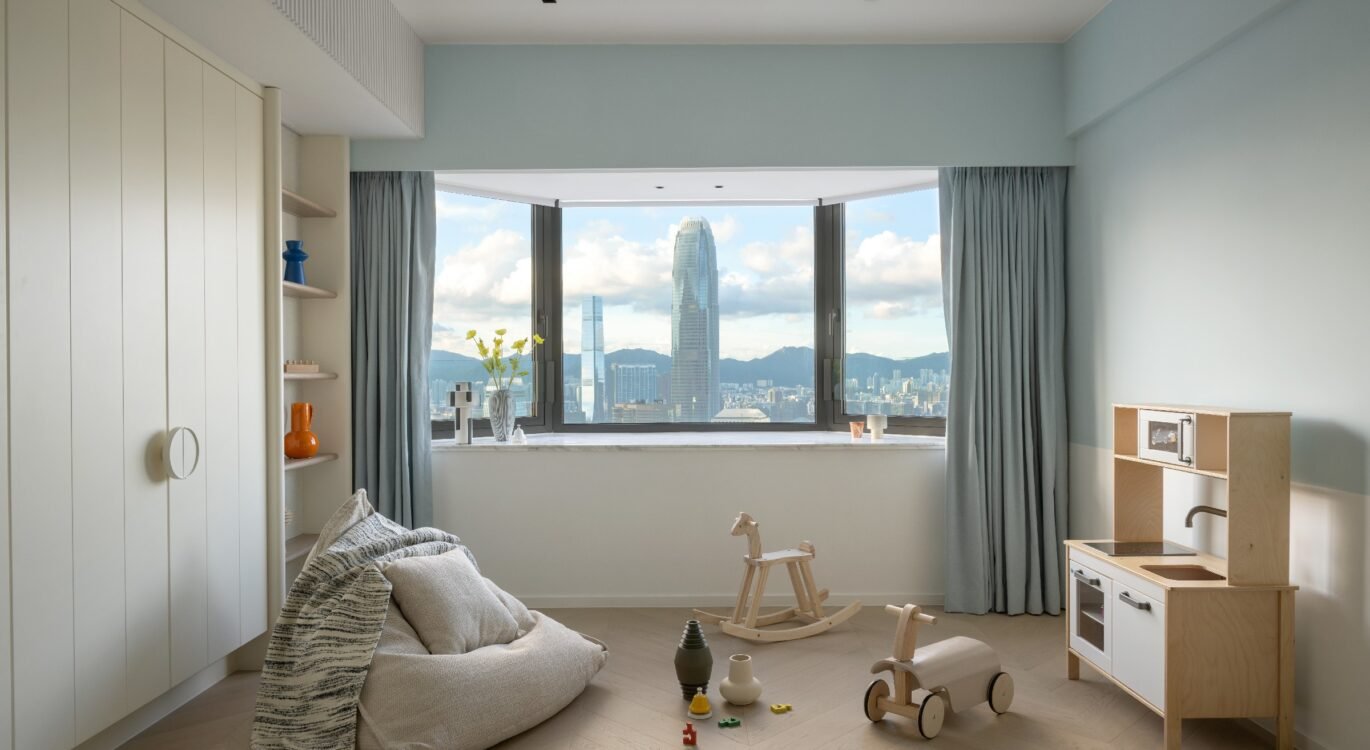
More Than a Home, It’s an Art Gallery: How to Elevate Modern Minimalist Interior Design to Collection-Level Taste
When a living space transcends its basic functions and becomes a vessel that accommodates both art and life, design unfolds a new narrative dimension. The modern minimalist style provides an exceptional stage for art collections. However, seamlessly integrating the two to create a space with collection-level taste requires design thinking that goes beyond conventional norms.
Spatial Reconstruction with Art Curation Thinking
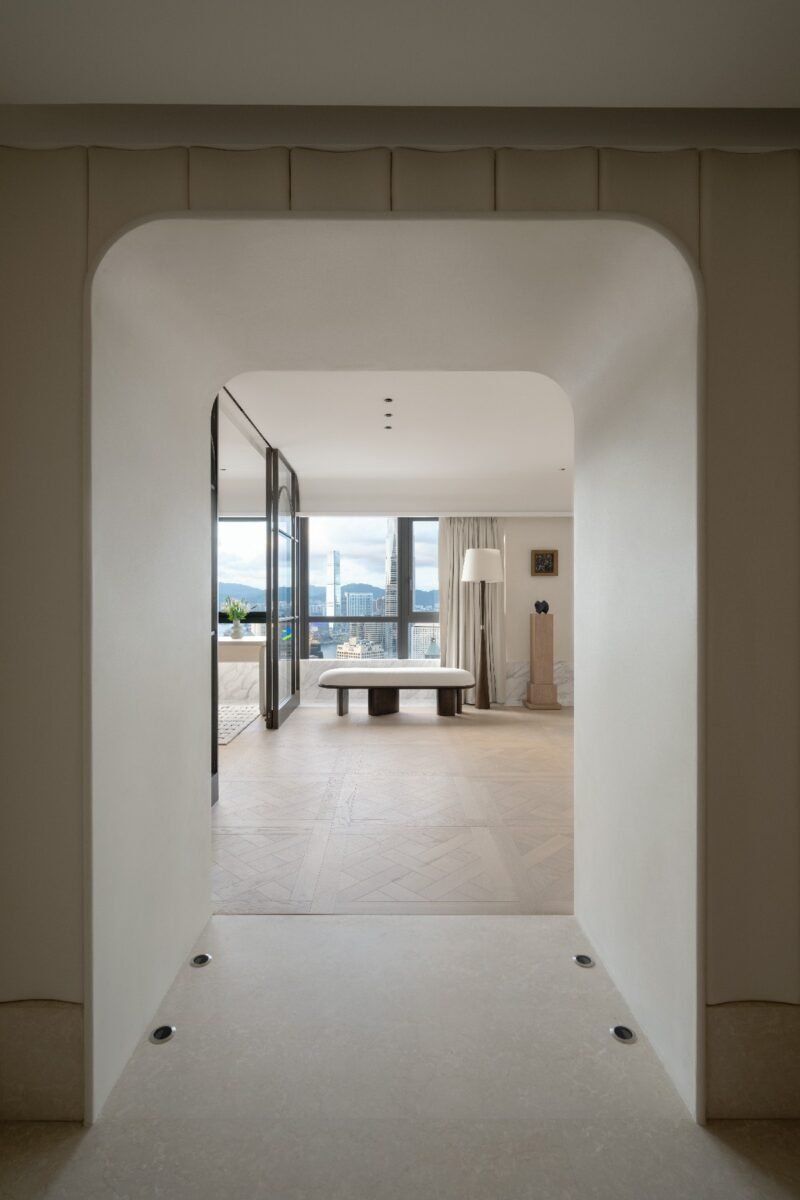
To view a residence as an art gallery, the first step is to adopt a curator’s mindset. Every space should resemble a carefully curated exhibition hall—paintings, sculptures, and installation art are no longer mere decorative additions, but the core reason for the space’s existence. The “negative space” on walls is not about minimalism for minimalism’s sake; it serves to highlight the expressive tension of artworks. Circulation design is no longer just a functional division, but a sequential experience that guides visitors through the “exhibition”. This kind of spatial reconstruction allows art and life to blend naturally.
Ultimate Control Over Material Texture
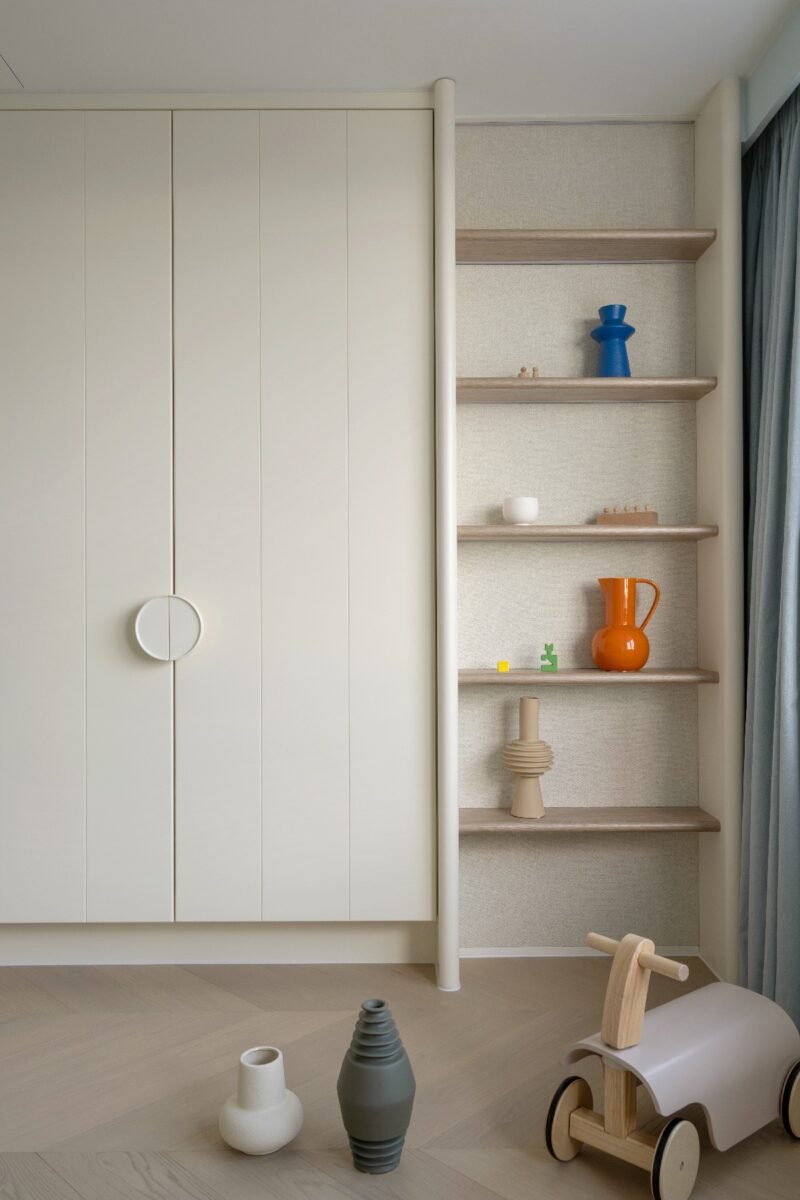
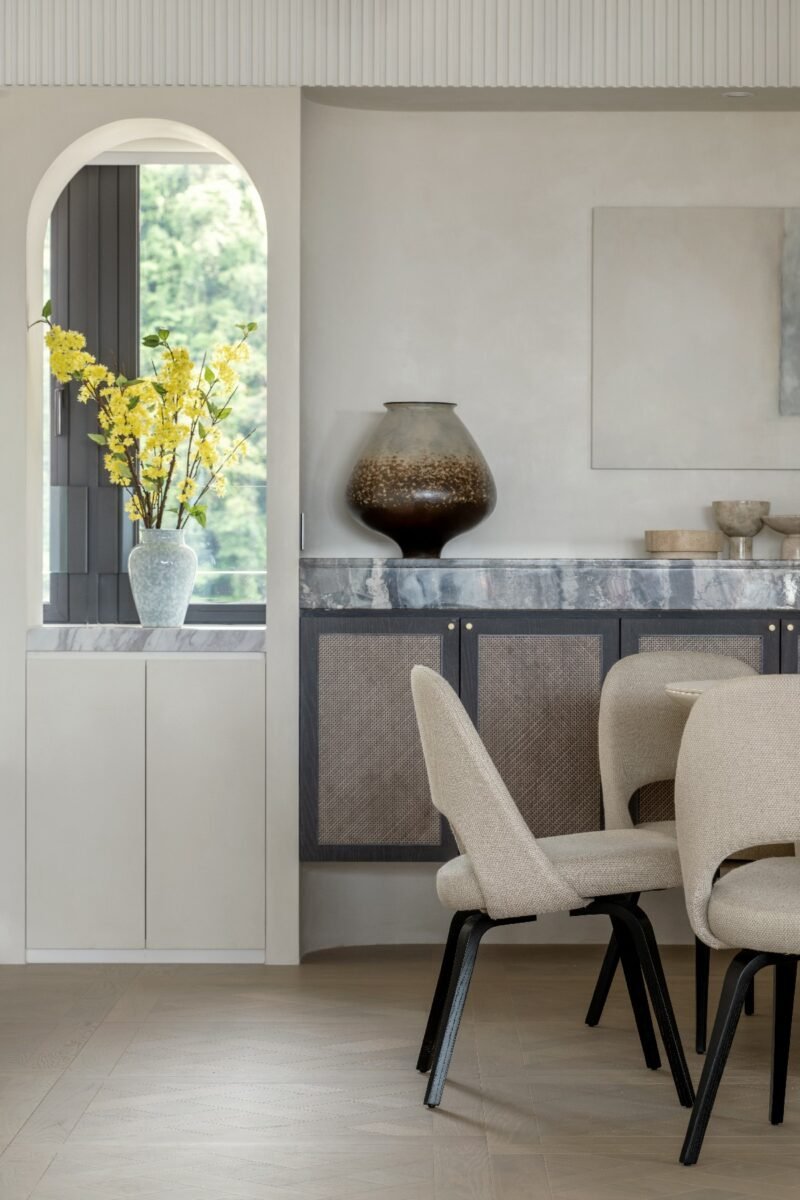
Collection-level spaces pursue material quality with a near-obsessive attention to detail. The natural veins of Italian Carrara marble become the “background artwork” of the space; hand-polished brass components shimmer with the texture of time; the delicate grain of German oak flooring carries a warm, tactile feel. Each material is carefully selected to showcase extraordinary quality through a minimalist form—turning the materials themselves into artworks worthy of appreciation.
The Dramatic Tension of Lighting Design
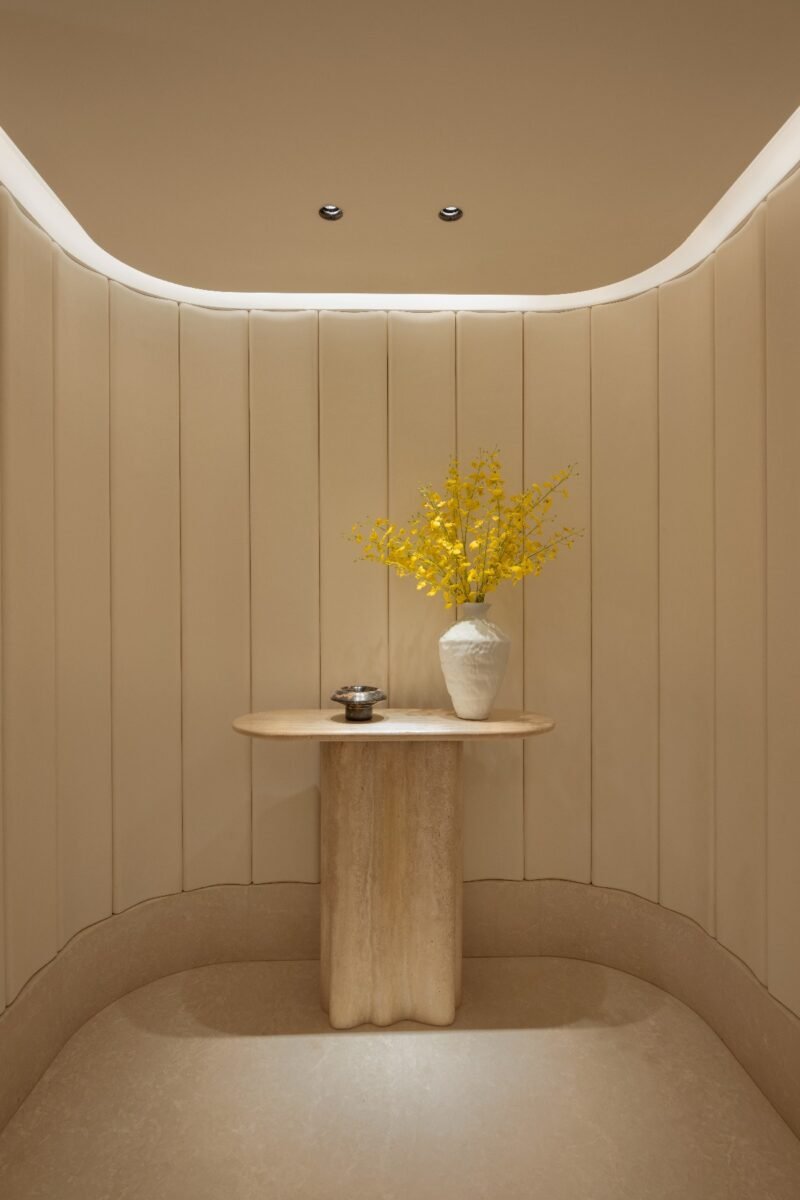
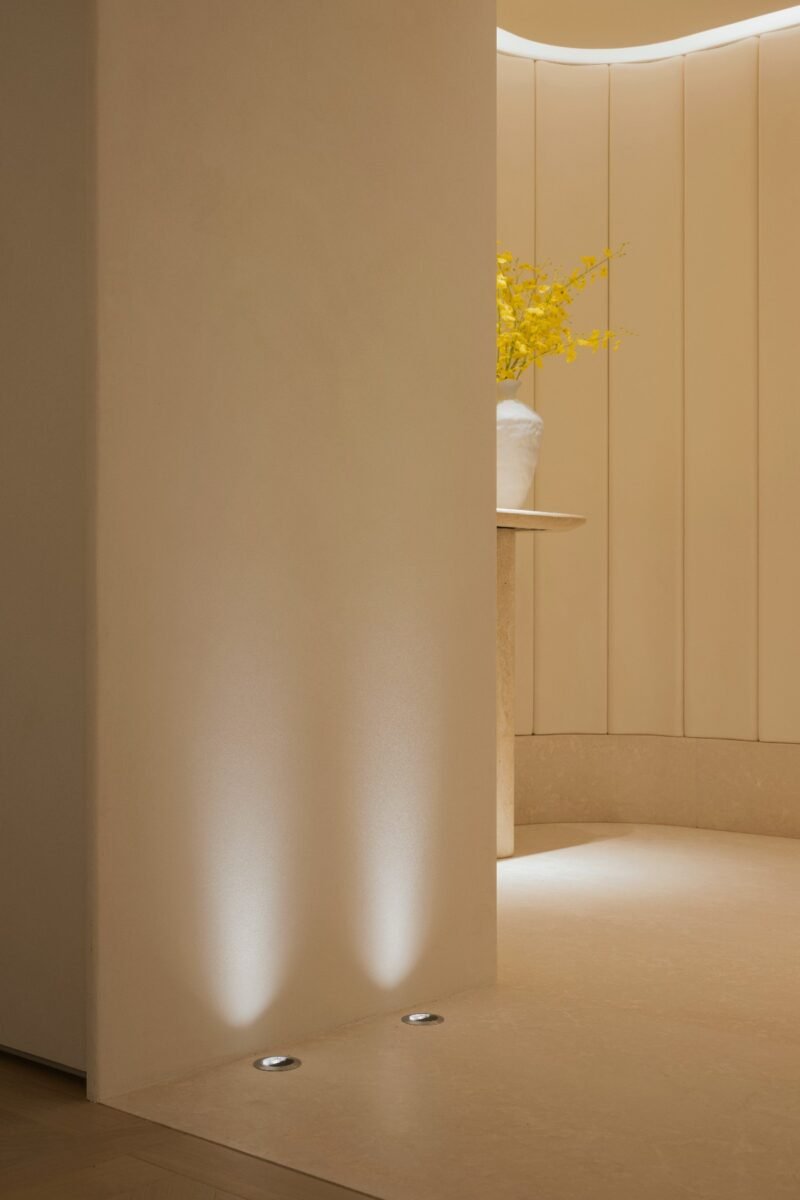
Light is the magician of space. A precisely calculated track lighting system creates a customized lighting scheme for each artwork; hidden light strips outline the hierarchical contours of the space; an intelligent dimming system adjusts the mood of the space with the alternation of day and night. Lighting is no longer just a tool for illumination, but a key element that shapes the drama of the space, allowing artworks to present ever-changing “expressions” at different moments.
Emotional Regulation Through Color
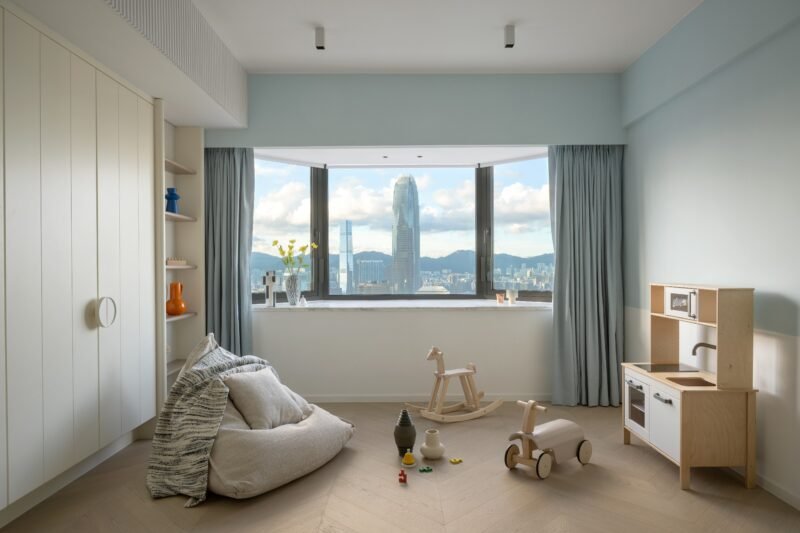
Collection-level spaces use color with extreme restraint. Neutral color palettes form the main melody of the space, while occasional accent colors are all carefully considered. The rhythm of colors engages in a subtle dialogue with artworks—sometimes setting them off, sometimes echoing them—creating rich visual layers. This restrained use of color keeps the space serene, providing an optimal backdrop for the display of artworks.
Philosophical Reflection on Spatial Negative Space
Negative space (liubai in Chinese aesthetics) is the essence of Eastern aesthetics and an essential element of collection-level spaces. Moderate negative space is not a waste of space, but a breathing room reserved for art, light, and contemplation. Large areas of negative space on walls make artworks appear more precious; moderate emptiness in the space gives the eyes a place to “rest”. The wisdom of negative space is precisely the key to elevating the quality of the space.
When art truly integrates into the living space, and every collection finds its most appropriate way of display, a residence transcends the scope of mere accommodation and becomes a private art gallery that showcases the owner’s taste and life experience. This is not just an upgrade of the space, but a redefinition of life quality—allowing every moment of daily life to be accompanied by art, and making living itself a continuous artistic experience.