
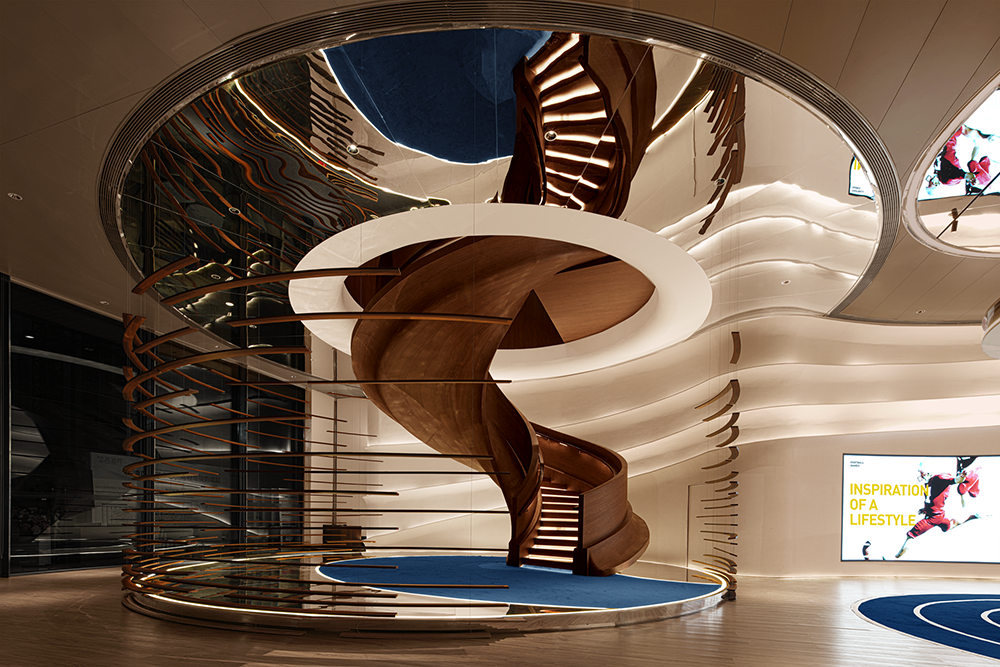
Spatial Design Strategies for Creating an “Immersive” Commercial Experience
In today’s increasingly competitive commercial space landscape, mere product display is no longer sufficient to attract consumers. Immersive experience has become the new core competitiveness of commercial spaces. Through multi-dimensional sensory design, it draws customers into a complete situational world, thereby creating unforgettable brand memories.
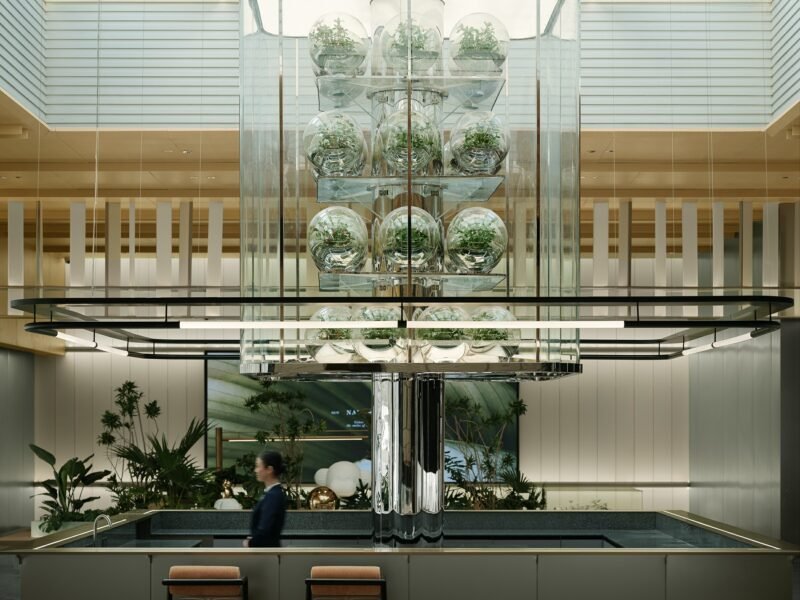
Narrative Space Construction
A successful immersive space is first and foremost a good storyteller. The entire space should revolve around a core theme, forming a complete storyline from the entrance to the exit. The theme can be the brand’s history, regional culture, or abstract concepts, but it must run through every design detail. Through scenario-based area division, coherent visual elements, and a progressive experience rhythm, customers are guided to complete a spatial narrative journey. This kind of narrative is not a simple accumulation of decorations, but rather creates emotional ups and downs through spatial sequences, making customers the protagonists of the story.
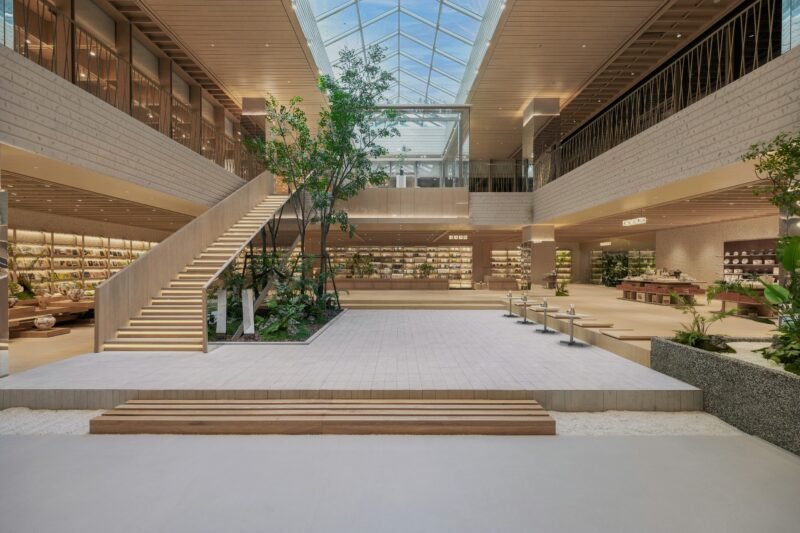
Multi-level Sensory Stimulation
Immersive experience goes beyond the visual level and requires engaging all of the customers’ senses. In terms of auditory design, differentiated background music and natural sound effects are configured according to the functions of different areas; in olfactory design, a customized fragrance system is used to enhance brand memory; in tactile design, interfaces of different carefully selected materials are used to make touch a part of the experience; even the sense of taste can be indirectly stimulated through the spatial atmosphere. These sensory elements do not exist in isolation, but form a precisely calculated ensemble that collectively creates a complete immersive atmosphere.
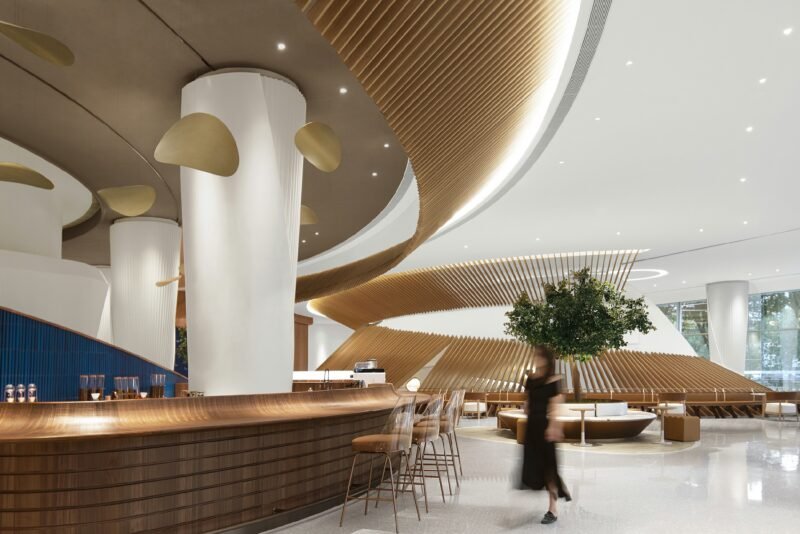
Emotional Weaving with Light and Shadow
Lighting design is a key tool for creating a sense of immersion. Going beyond the basic lighting function, lighting should act as a regulator of the spatial mood. Through an intelligent control system, the light intensity, color temperature, and angle are adjusted according to the needs of different time periods and scenarios. Dramatic lighting is used in key areas to highlight displayed objects, while soft halos are used in transition areas to guide the flow of people. Special effect lighting technologies such as projection mapping and interactive light walls can further create surreal immersive effects. Changes in light and shadow not only shape the spatial atmosphere, but also influence customers’ psychological feelings and perception of time.
Interactive Experience Design
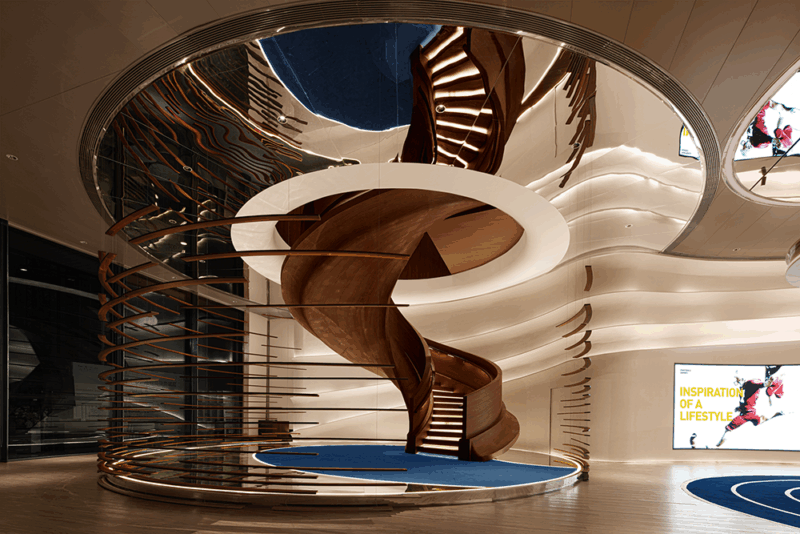
Modern commercial spaces need to break the mode of passive viewing and introduce interactive elements to make customers co-creators of the experience. This includes physical interactive installations such as touchable walls and changeable furniture layouts, as well as digital interactive interfaces such as AR fitting and interactive screens. Interactive design should be interesting and exploratory, encouraging customers to take the initiative to discover and participate. By setting up check-in points, hidden easter eggs, and other designs, the customer stay time is extended and social sharing is promoted.
Integration of Technology and Nature
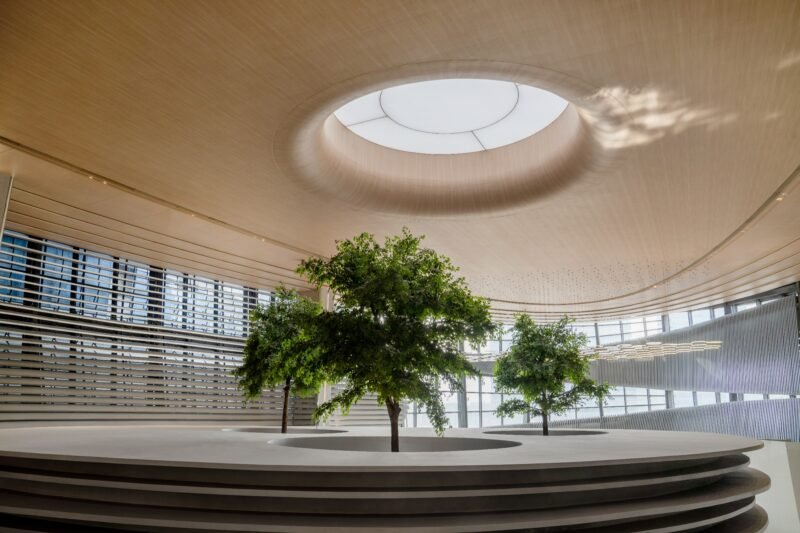
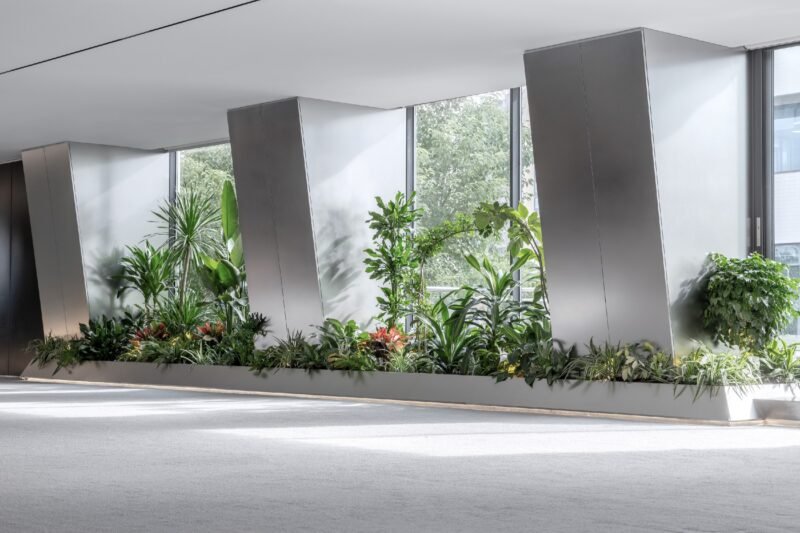
Contemporary immersive design pursues a balance between a sense of technology and natural elements. On one hand, it uses technological means such as projection technology, intelligent sensing, and virtual reality to create surreal experiences; on the other hand, it introduces elements such as natural light, green plant ecosystems, and natural materials to maintain the connection between humans and nature. This integration creates a “techno-naturalism” style, which not only satisfies people’s curiosity about new technologies, but also alleviates the nature deficit disorder in the digital age.
The ultimate goal of immersive commercial space design is to create an experience that makes people reluctant to leave, making the space itself a reason for customers to visit again. When every design element serves the realization of the same theme, and when all sensory experiences complement each other, the commercial space transcends the limitation of being a transaction venue and becomes a part of people’s lifestyle. Such a space not only promotes consumption, but also shapes people’s emotional identification and cultural belonging to the brand.