
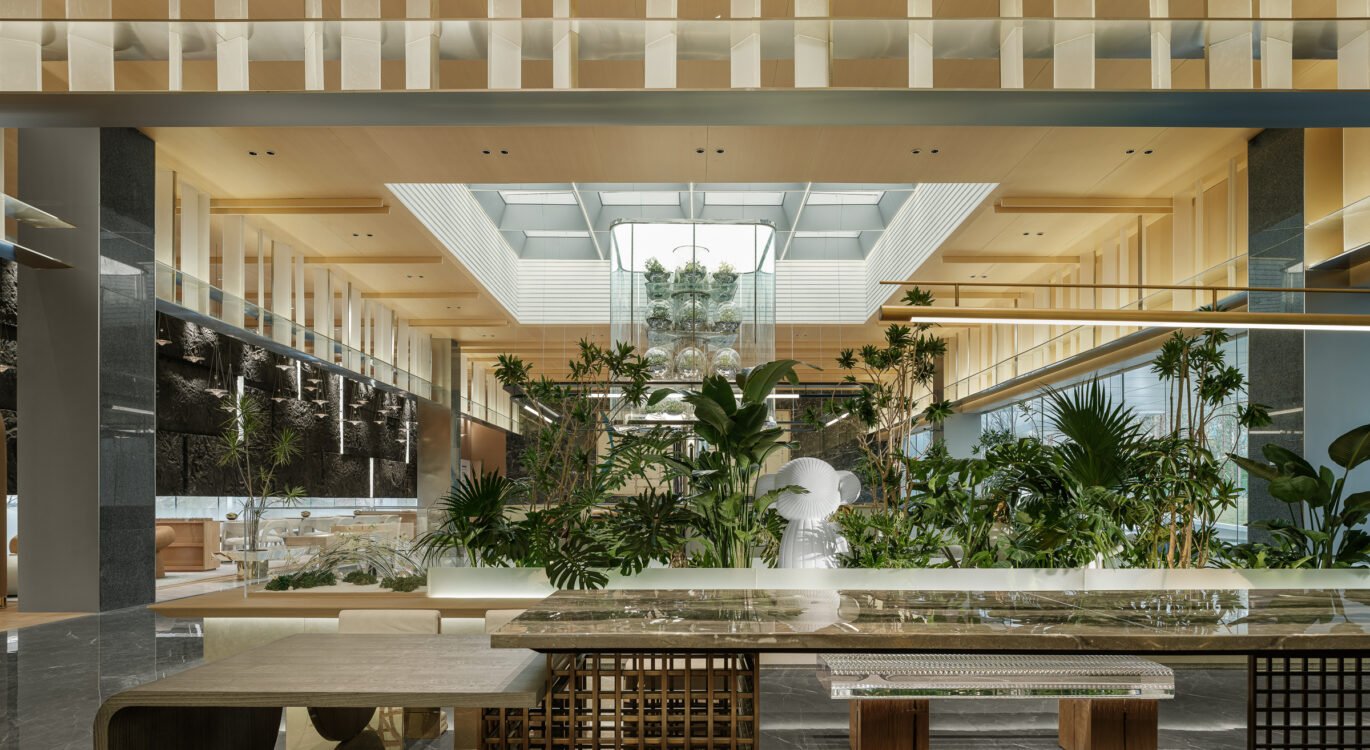
Commercial Space Greenery Design: From Decoration to Ecosystem Upgrade
In contemporary commercial space design, greenery has long transcended its simple decorative function and is evolving into a core element for building ecosystems. From isolated potted plants used as embellishments to complete ecological matrices, plant design in commercial spaces is undergoing a value upgrade from aesthetics to functionality.
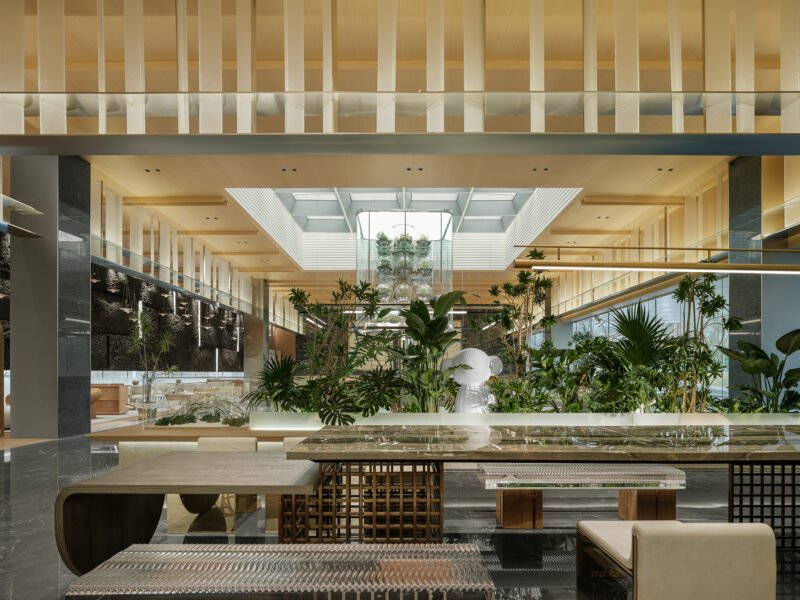
From Embellishment to Systematic Design Thinking
Traditional greenery design often remains at the elementary stage of “placing a potted flower wherever there is empty space”. However, modern commercial spaces require the establishment of a systematic greenery ecosystem. This demands that designers conduct overall planning with greenery as part of the space structure, rather than treating it as an afterthought. An excellent greenery ecosystem should take into account comprehensive factors such as the matching of plant communities, the integration of lighting systems, the concealment of irrigation systems, and the organization of air circulation, making greenery a living architectural element in the space.
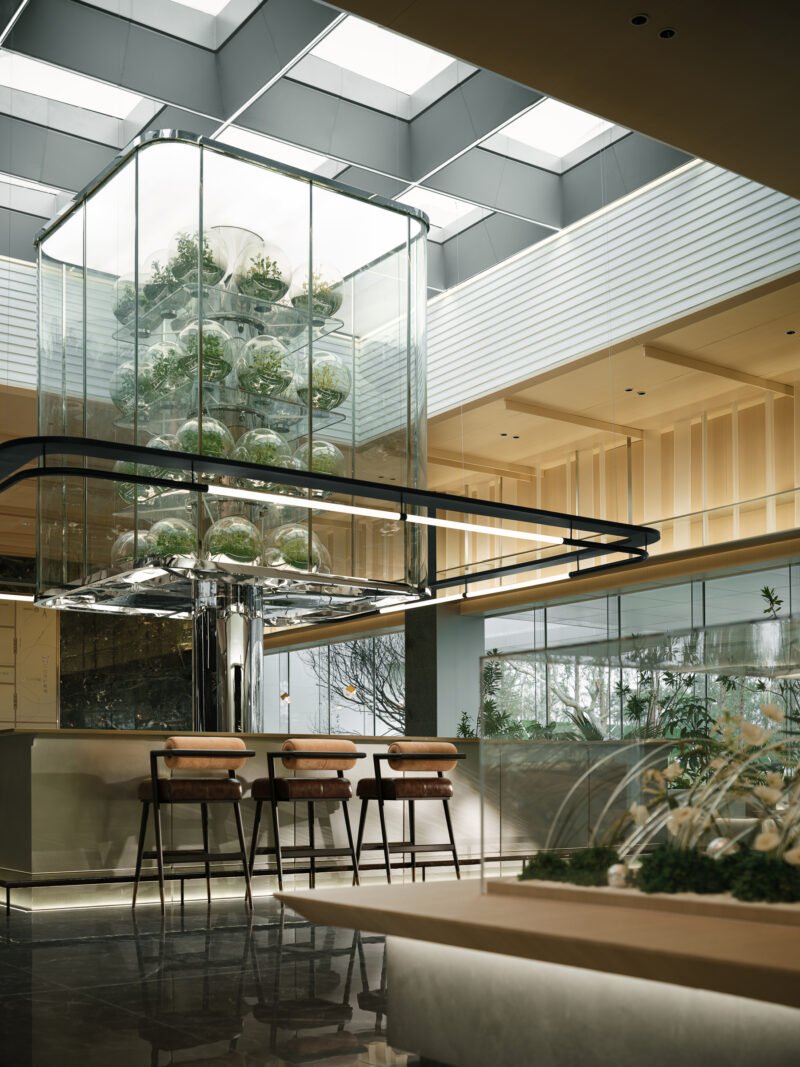
Comprehensive Upgrade of Functionality
Modern commercial greenery design undertakes diverse functions far beyond decoration. Green walls, as natural sound insulation barriers, can reduce noise by 15-20 decibels; well-arranged greenery zones can naturally guide customer flow; specific plant species can effectively absorb harmful substances such as formaldehyde and benzene, improving air quality. In catering spaces, herb gardens provide fresh ingredients; in office spaces, plant communities serve as “biological eye masks” to alleviate visual fatigue.
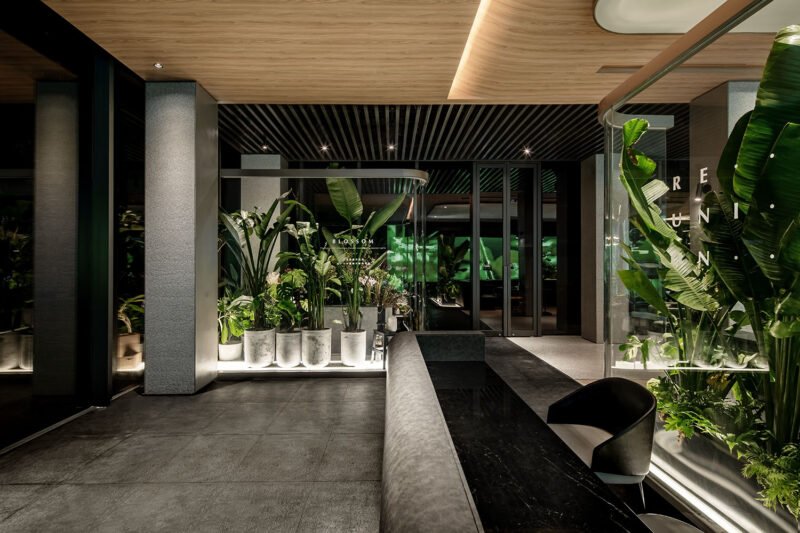
Green Expression of Brand Narrative
Greenery ecosystems are becoming a new medium for conveying brand values. Eco-friendly brands highlight their sustainability concepts through native plant communities; technology companies tell the story of the symbiosis between nature and technology by combining moss walls with digital screens; hotels strengthen their regional characteristics through local plant landscapes. Plant selection, combination methods, and even maintenance processes have all become integral parts of brand stories.
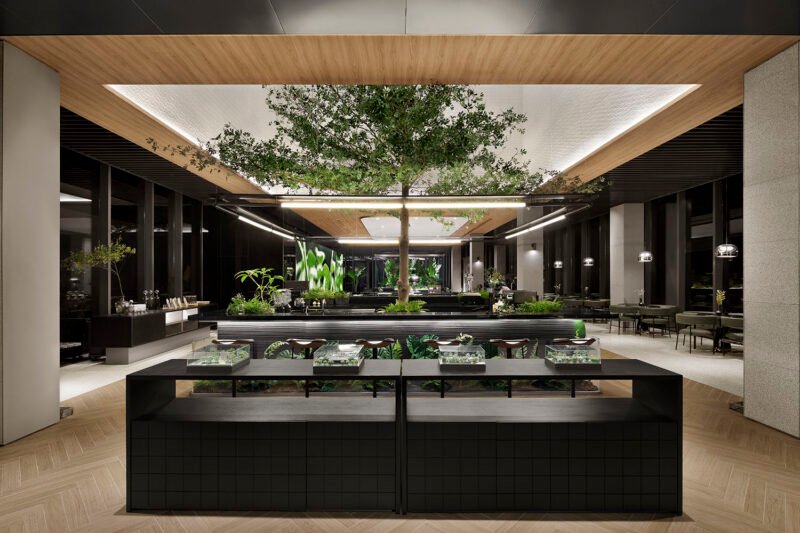
Reconnecting Humans with Nature
In highly urbanized commercial environments, greenery ecosystems provide urban residents with precious points of contact with nature. Touchable herb gardens, harvestable fruit tree landscapes, and plant installations that change with the seasons—these designs not only beautify the space but also meet modern people’s psychological need for a connection with nature. Studies have shown that well-designed commercial greenery can increase customers’ stay time by 30% and improve employees’ work efficiency by 15%.
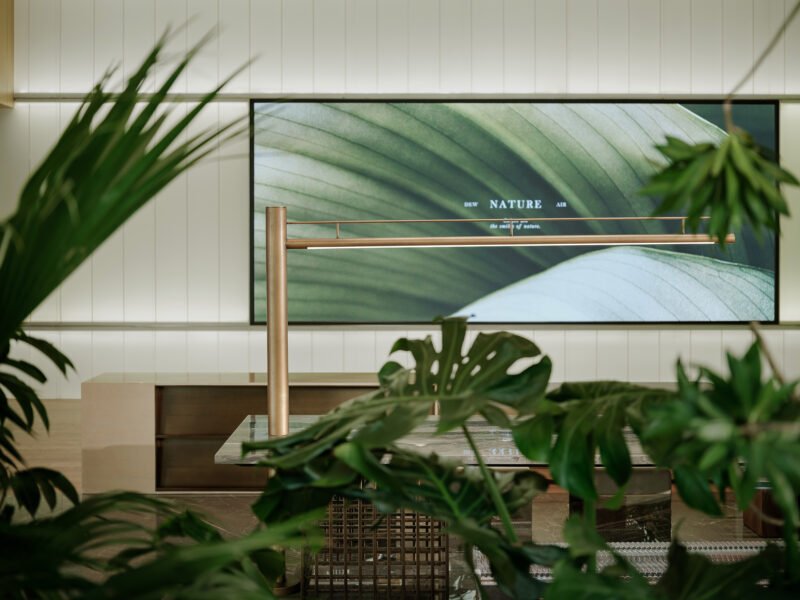
The greenery design of commercial spaces is undergoing an essential transformation from decorative items to ecosystems. This transformation is not only an upgrade of design concepts but also a reflection of the value reconstruction of commercial spaces. When greenery becomes part of the space ecosystem, commercial spaces go beyond the function of being transaction venues and evolve into living organisms that provide people with both material and spiritual nourishment.