
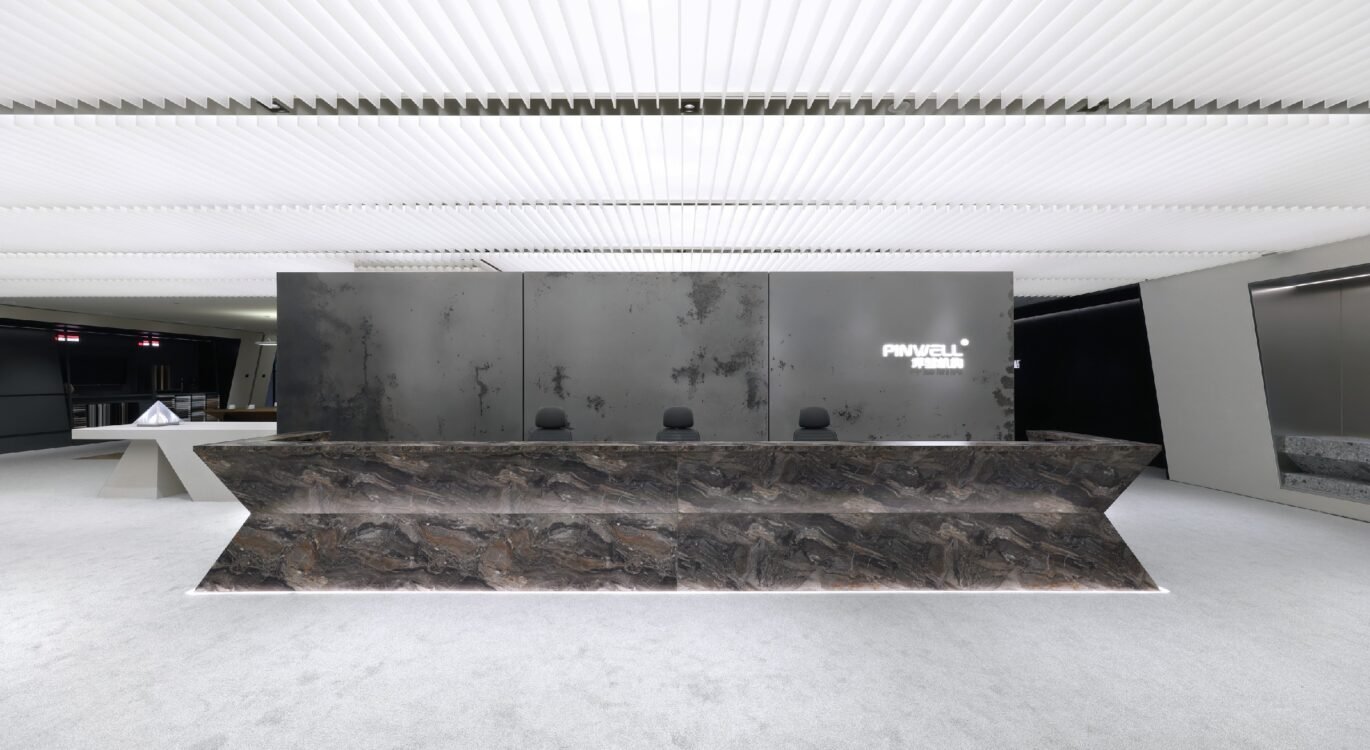
Brand Space Design Guide: Unifying Spatial Temperament and Brand Tone
In commercial space design, a space is not merely a carrier of functions, but also a three-dimensional manifestation of the brand spirit. A successful brand space should allow visitors to perceive the soul of the brand through every detail of the space the moment they step in. The perfect unification of spatial temperament and brand tone is the key to creating an in-depth brand experience.
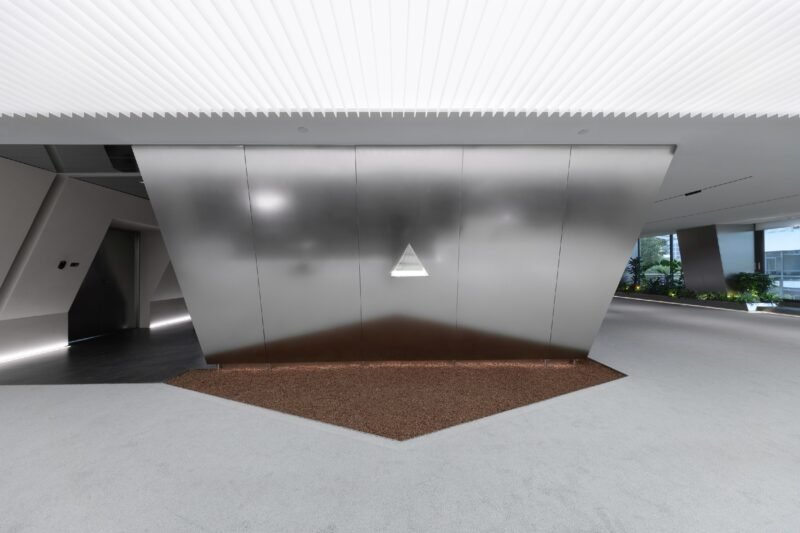
Building a Spatial Narrative System
An excellent brand space should have a complete narrative structure. From the first impression at the entrance, to the in-depth experience in the core area, and then to the lingering aftertaste when leaving, every link needs to be carefully designed. The spatial circulation should be as structured and layered as the framework of an article, guiding visitors through a complete brand exploration journey with a clear beginning, development, transition, and conclusion. Memory points should be set at key nodes, allowing the core brand information to be naturally revealed in the spatial sequence, thus forming an unforgettable brand experience.
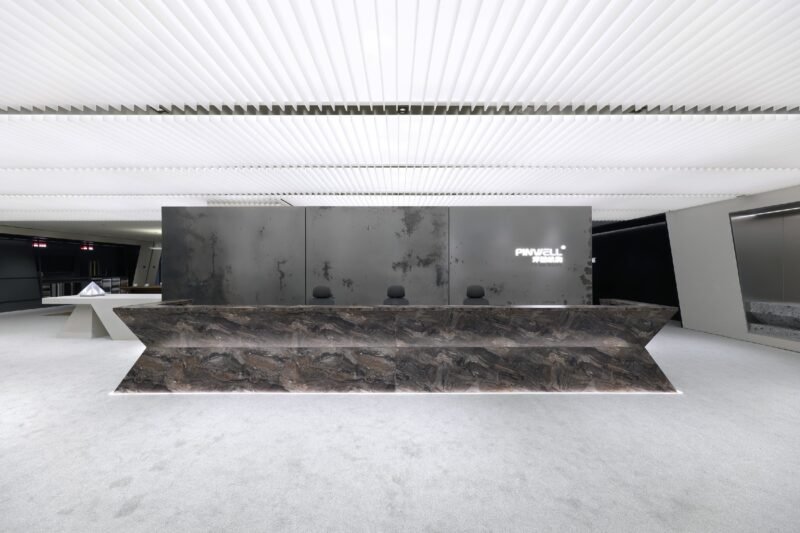
Emotional Resonance of Material Language
The selection of materials is an important medium for conveying the brand’s temperament. Different materials evoke different emotional responses: natural stone conveys a sense of heaviness and eternity, warm wood exudes simplicity and approachability, and metal details showcase delicacy and modernity. The choice of materials should not only consider aesthetics, but also align with the brand’s personality. Eco-friendly brands may opt for recycled materials, while technology brands tend to use intelligent materials—every material decision silently conveys the brand’s value proposition.
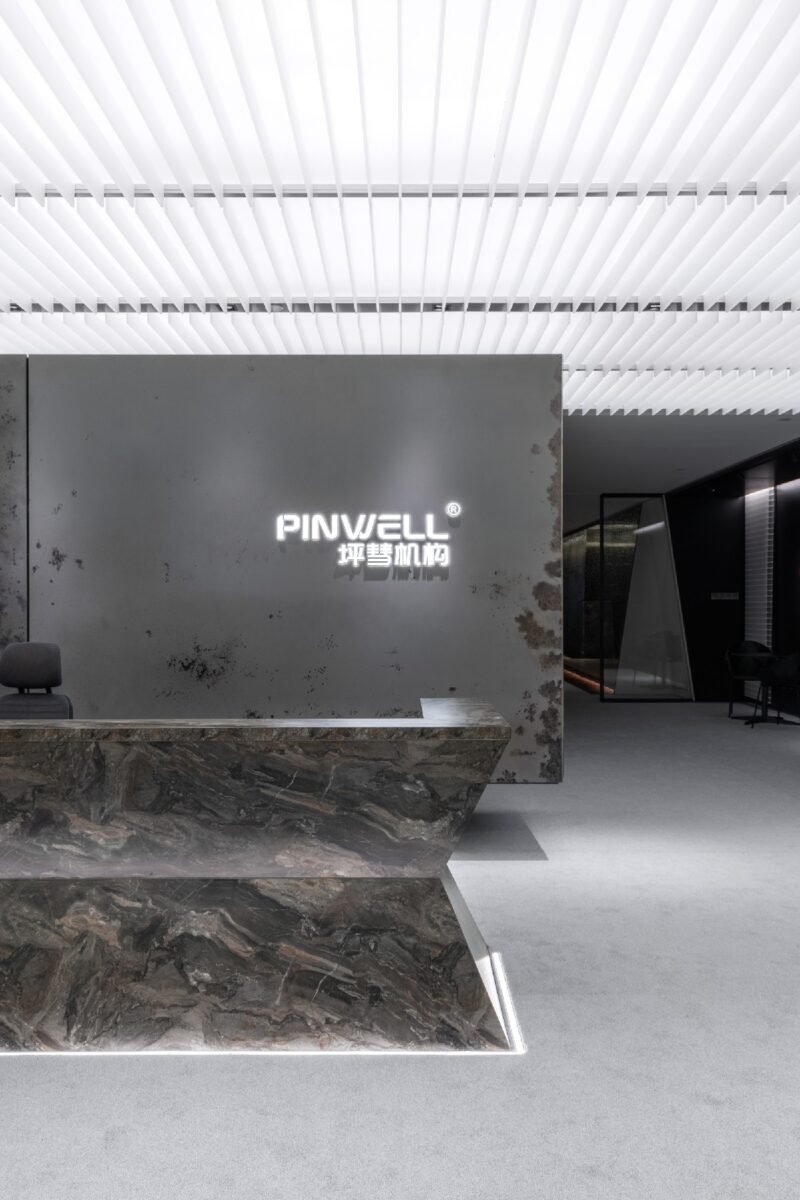
Atmosphere Shaping Through Light and Shadow Art
Lighting design is like a magician that creates the spatial temperament. In a brand space, lighting not only needs to meet functional requirements, but also serves as a crucial tool for conveying the brand’s mood. Soft indirect light creates a sense of privacy and elegance, precise focused light highlights key display areas, and dynamic light and shadow creates a dramatic experience. Intelligent lighting systems can further adjust the spatial atmosphere according to the needs of different time periods and scenarios, making the brand image more vivid and three-dimensional.
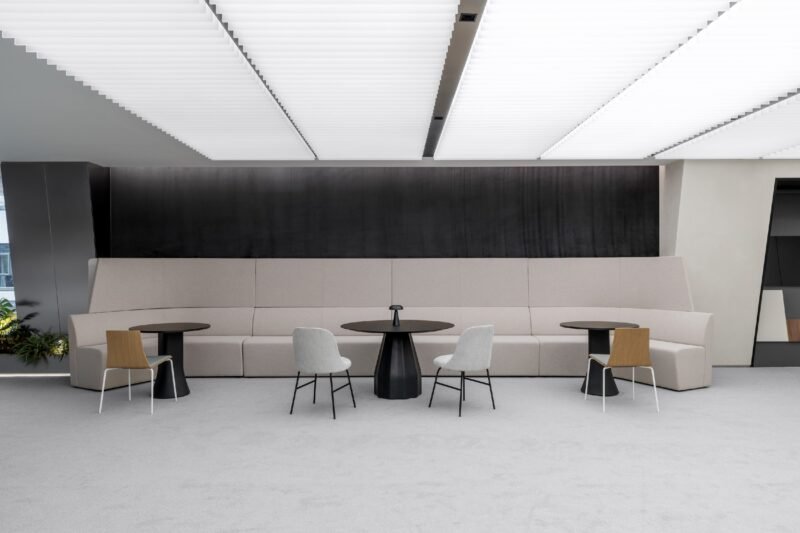
Visual Communication of Color Systems
Color is the most intuitive visual language of a brand. In space design, it is necessary to establish a complete color system and skillfully integrate the brand’s standard colors into the spatial environment. The main color sets the tone of the space, auxiliary colors enrich the layers, and accent colors highlight key points. The brightness, saturation, and area ratio of colors all need to be carefully controlled—not only to maintain the brand’s recognizability, but also to ensure the comfort of the space.
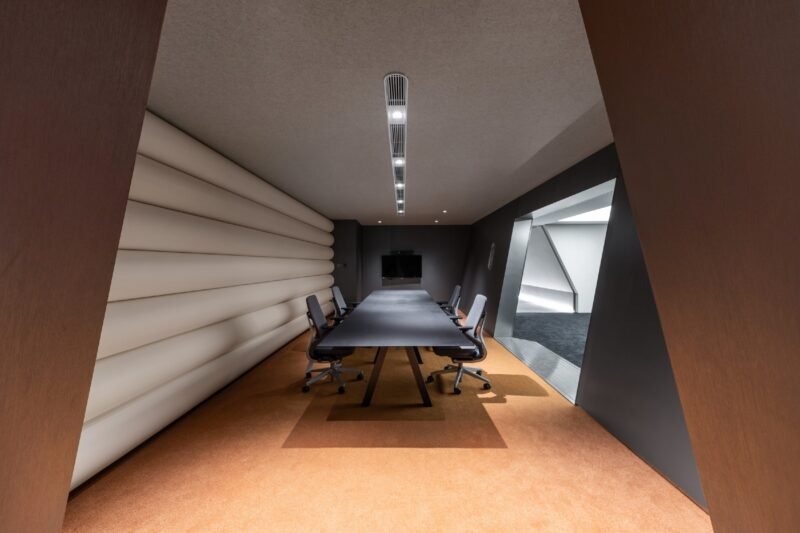
In terms of detail handling, every element should resonate with the brand spirit. From the line direction of custom furniture to the tactile experience of door handles, from the implied meaning of art installations to the visual presentation of wayfinding systems—all need to reflect brand consistency. These seemingly minor details are precisely the important components that build a complete brand experience.
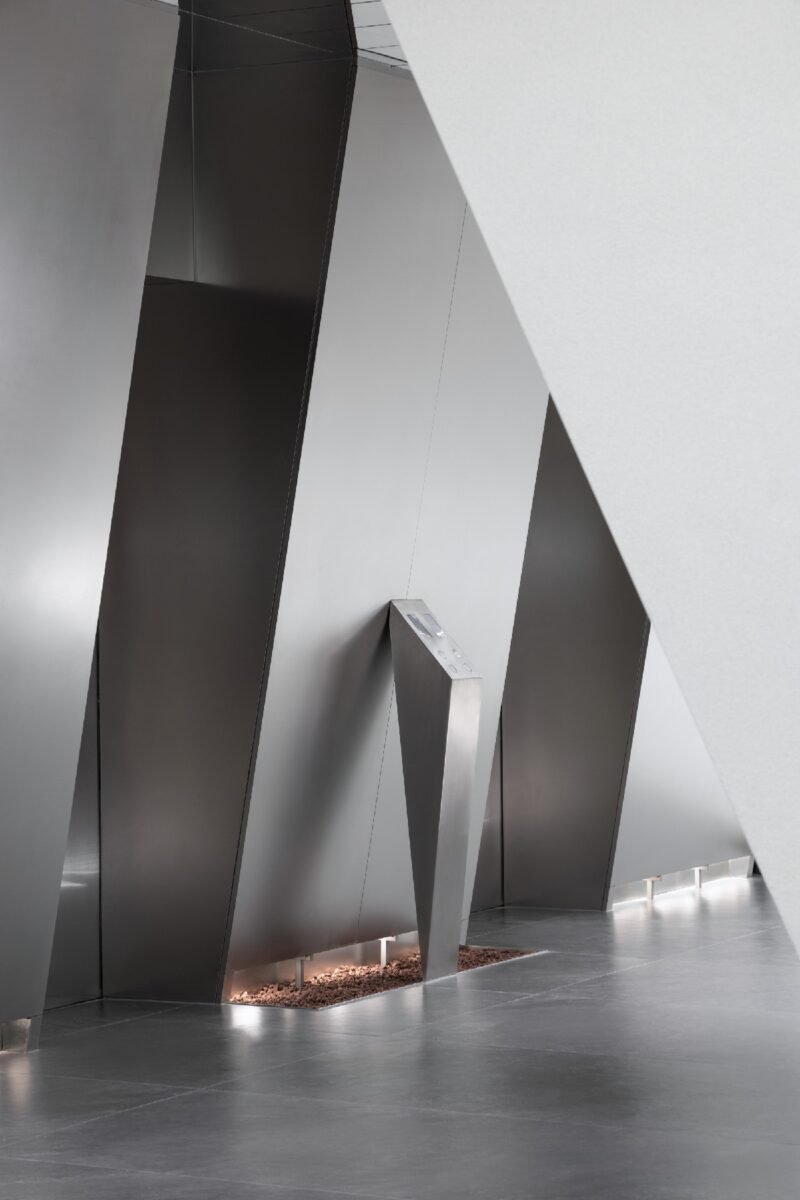
When visitors wander in the space, they are not only using a physical space, but also “reading” the soul of the brand and feeling its charm. This in-depth unification of spatial temperament and brand tone enables the brand image to leave a deep impression in the minds of visitors, ultimately realizing the elevation from spatial experience to brand recognition. This is precisely the highest value of brand space design.