
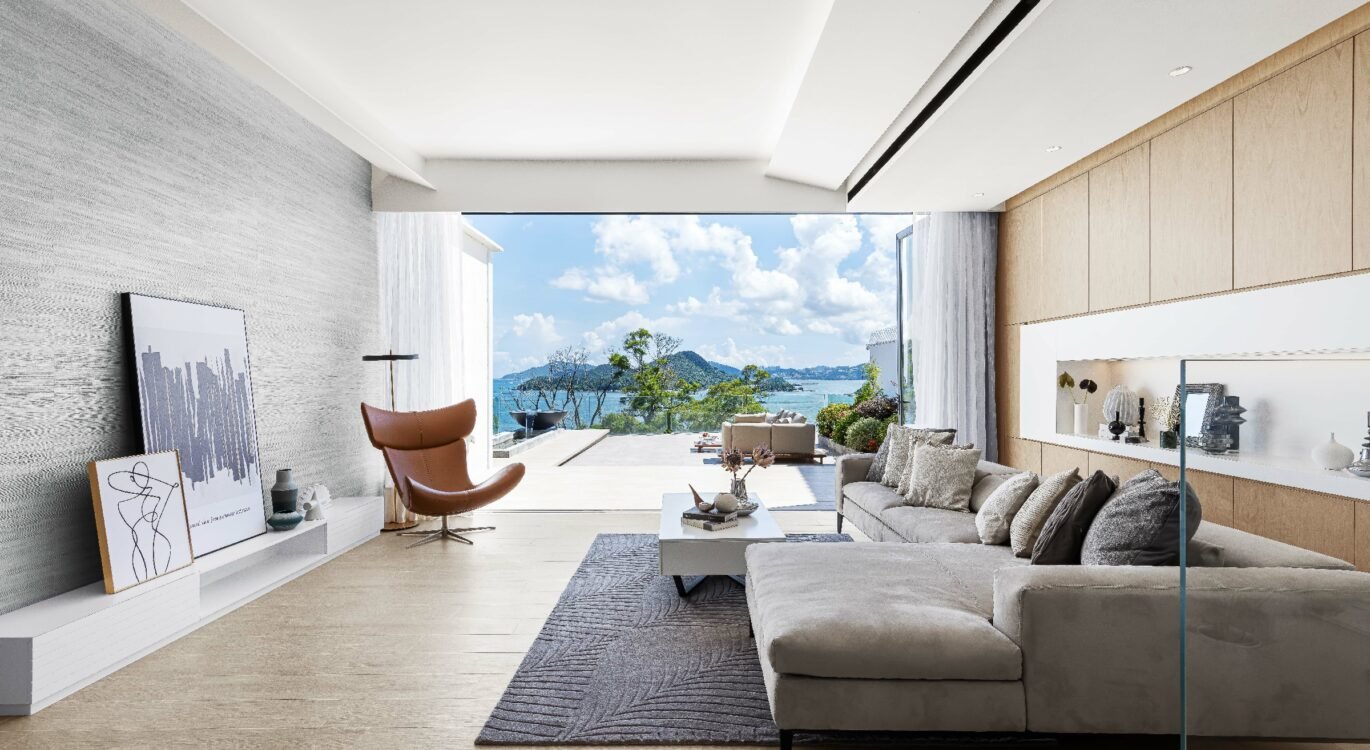
Residential Space Lighting Design: Let Sunshine Be the Finest Decoration
In residential design, there is no more precious decorative element than sunshine. It requires no expensive budget, yet infuses the space with soul; it occupies no physical space, yet transforms the overall feel of the space. Enabling sunshine to take center stage in the space is an art that every designer should master.
Understanding the Natural Properties of Light
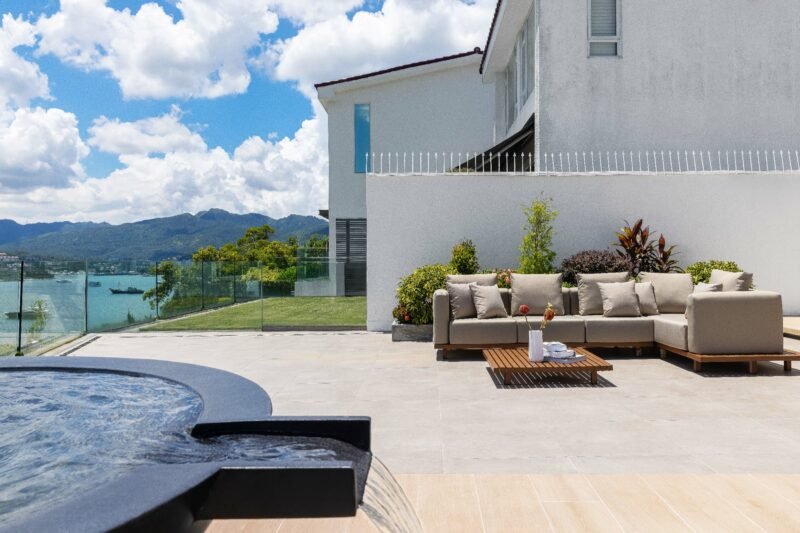
Sunshine is never static. The freshness and softness of morning light, the brightness and vitality of afternoon light, and the warmth and romance of evening light—each time of day brings light with its unique character. Excellent design first involves understanding the “personality” of light, then planning the spatial functions based on the building’s orientation and seasonal changes. Spaces facing south are suitable for arranging main activity areas, allowing family members to fully enjoy sunlight during the day; while north-facing spaces are ideal for studies or workrooms, leveraging stable natural light to create a focused working environment.
The Art of Window Design
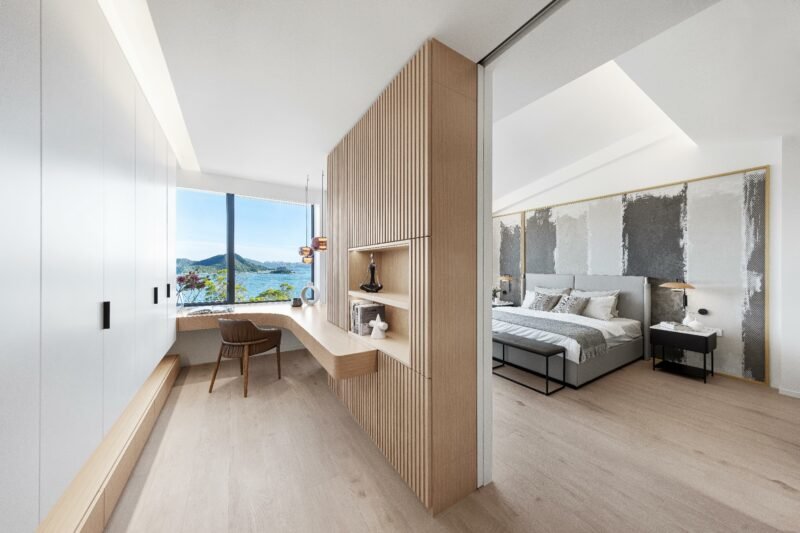
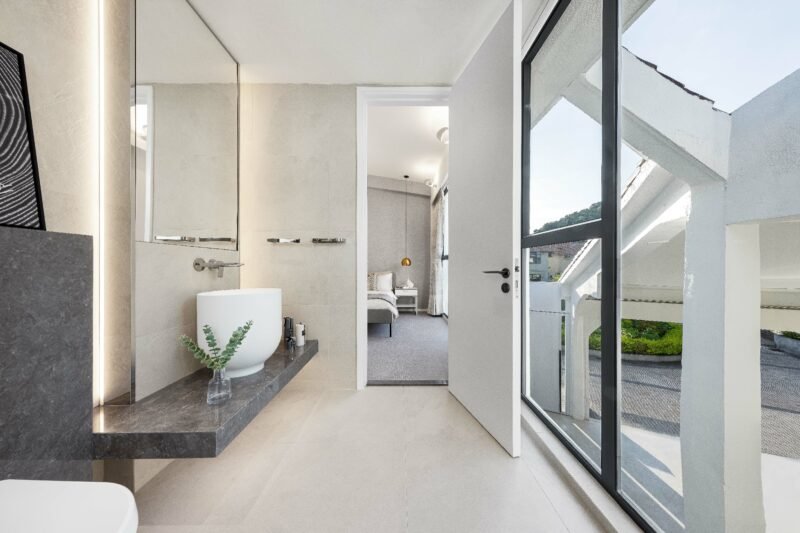
Windows serve as the channels for light to enter a space, and their design directly affects the quality of light. Floor-to-ceiling windows can maximize light intake and create a broad view; clerestory windows (high-placed windows) ensure privacy while allowing light to gently pour in from above. The placement of windows requires careful calculation—it must take into account both the arrangement of furniture and the path of light. Bay window design is an excellent choice: it not only expands the light-receiving area but also creates a cozy nook bathed in sunshine.
Light-Reflective and Light-Transmissive Properties of Materials
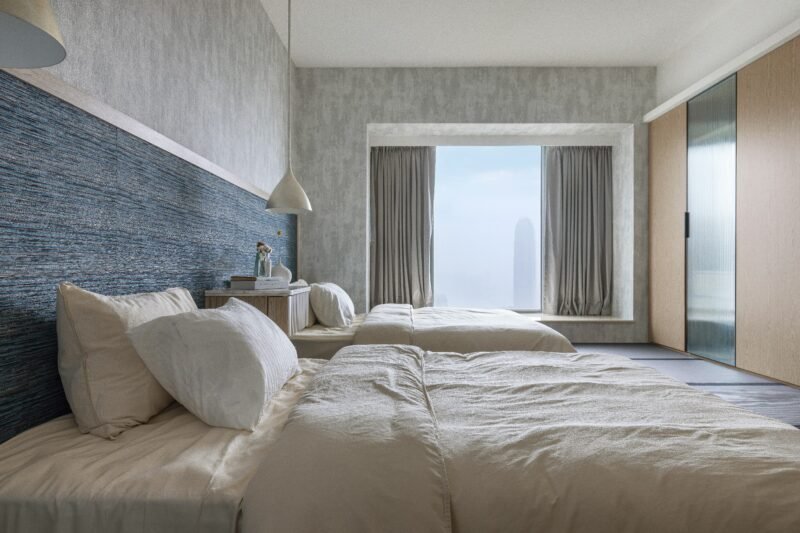
Different materials react to light in distinctly different ways. Smooth white walls can effectively reflect light, making the space brighter; matte materials, on the other hand, absorb part of the light, creating a soft atmosphere. In spaces with weak light, reflective materials such as mirrors and glass can be used to enhance light propagation. Translucent room dividers or curtains not only ensure privacy but also allow light to filter through gently, creating a hazy aesthetic.
Balancing Light and Shadow
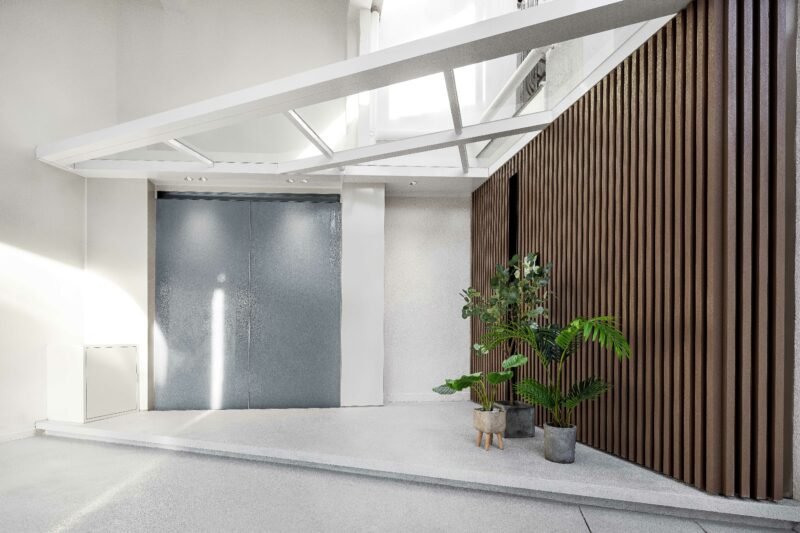
Where there is light, there is shadow—and shadows are equally indispensable elements in design. Through designs like grilles and blinds, light can be made to cast interesting light-and-shadow patterns on walls. These moving light and shadow patterns, which shift with time, are like a silent performance, infusing dynamic vitality into the static space. In areas that require soft light, multi-layered curtains can be used to control the intensity of light, achieving a smooth transition from brightness to dimness.
Balancing Function and Atmosphere
Lighting design needs to strike a balance between practicality and aesthetics. Work areas require ample and uniform light, while rest areas are suited for soft and warm lighting. Within the same space, different window styles and curtain configurations can be used to create rich layers of light and shadow. Remember, the best lighting design is one where people barely notice the design itself, yet can enjoy a comfortable and natural light environment.
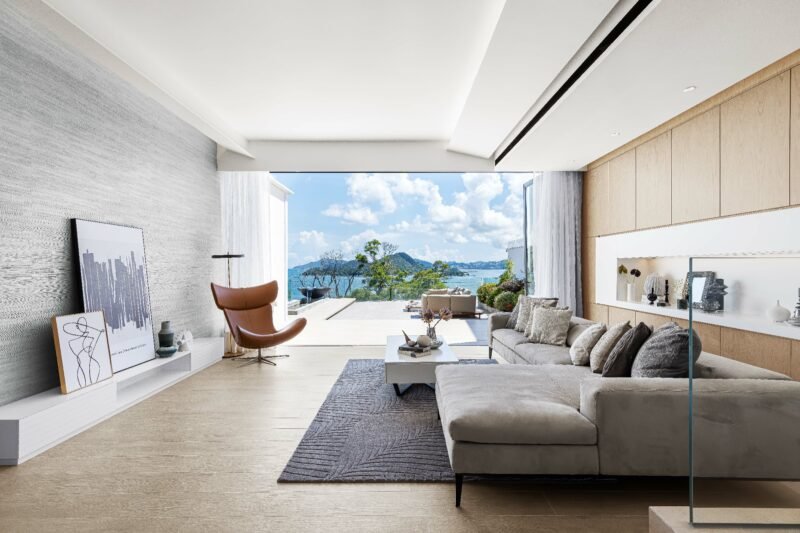
When sunlight filters through carefully designed windows, casting warm light spots indoors; when a gentle breeze brushes the sheer curtains, setting off a soft dance of light and shadow—the space then comes alive. Excellent lighting design allows residents to feel the flow of time and the change of seasons, turning the home into a true “container” for dialogue with nature. In such a space, sunshine truly becomes the most touching and precious decoration.