
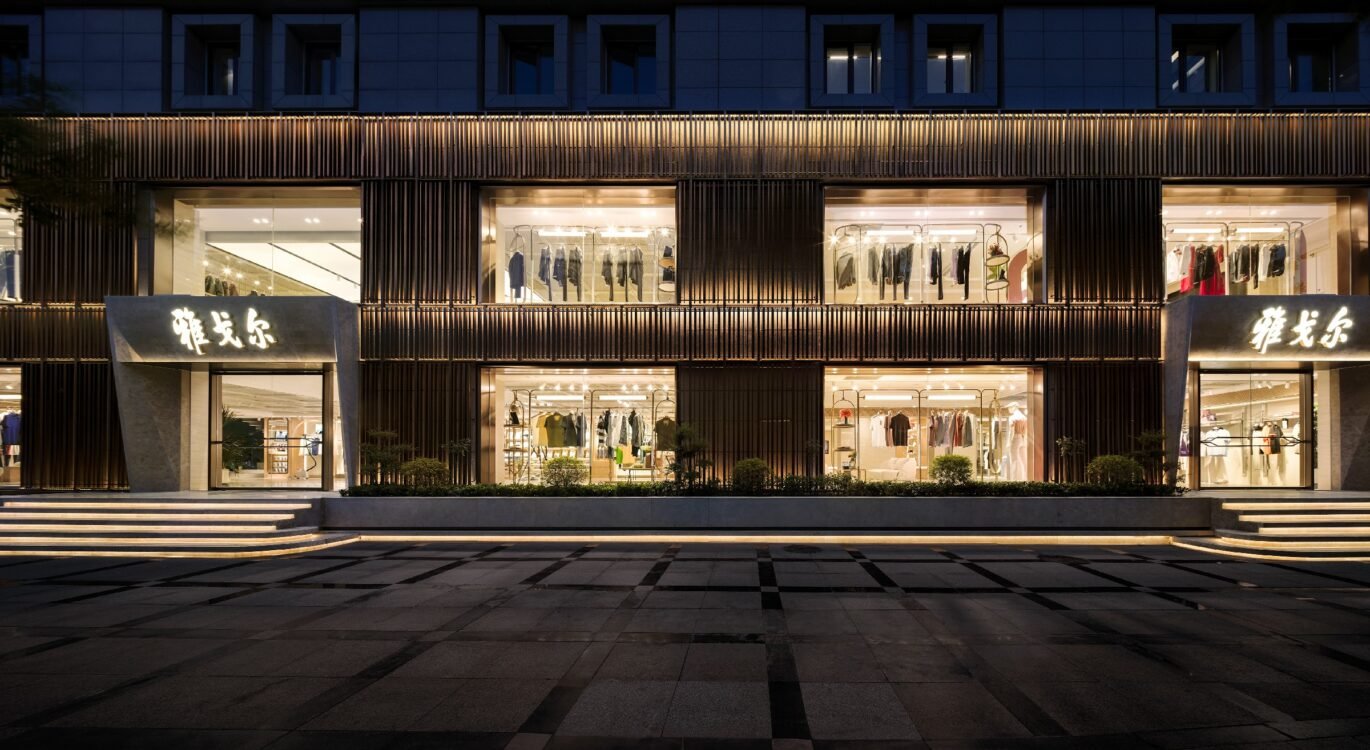
Facade Design of Commercial Spaces: Coherence Between Building Exteriors and Interior Styles
In the design of commercial spaces, the building facade serves not only as a display of the external image but also as a prologue to the interior space. A successful commercial space design should allow customers to perceive the temperament and charm of the interior style through the building facade even before they step into the space. This outward-inward coherent design is a crucial cornerstone for creating a complete brand experience.
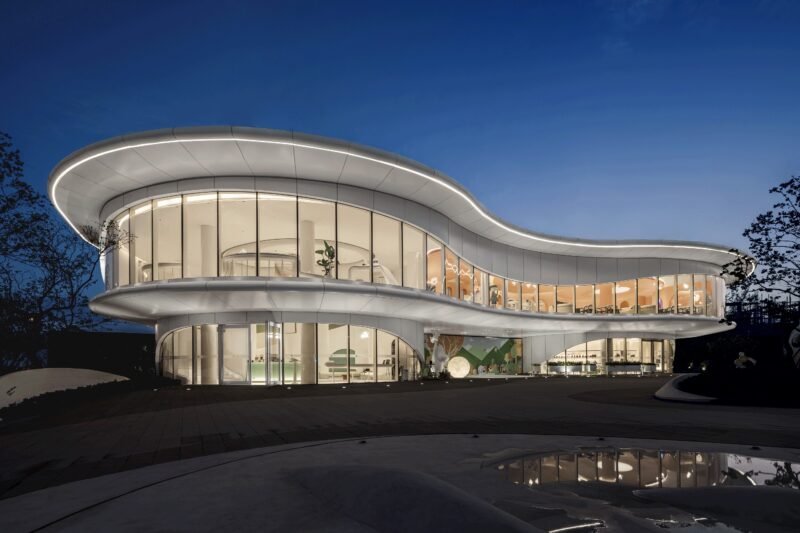
The Narrative Function of Facade Design
The building facade is the first page of the brand story told by a commercial space. Its material selection, modeling language, and color matching should all align with the design concept of the interior space. When customers approach from a distance, the facade should begin to convey the inherent temperament of the space: a simple and modern facade heralds the crispness and neatness of the interior; the use of traditional elements implies the cultural connotation of the interior; and the combination of innovative materials indicates the avant-garde concept of the interior design. This outward-inward narrative logic helps establish reasonable psychological expectations for customers.
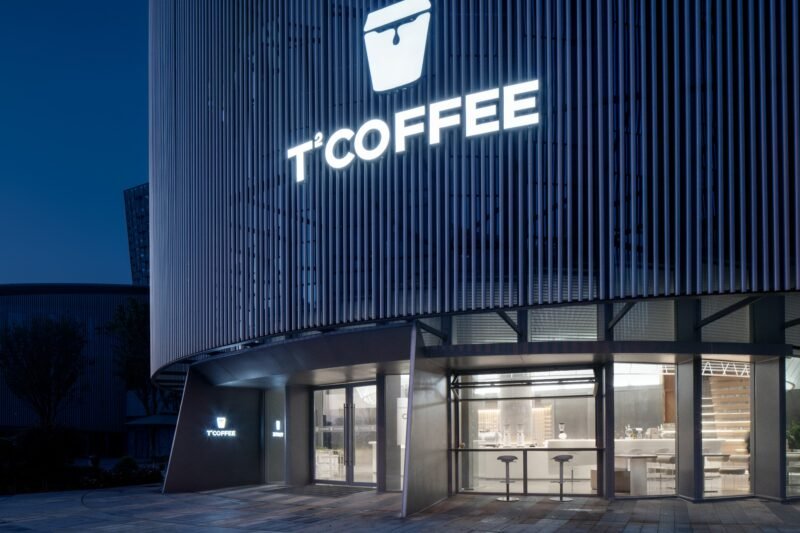
Unified Expression of Design Language
The key to achieving coherence between internal and external spaces lies in the unified application of design language. Design elements such as identical geometric shapes, similar proportional relationships, and unified material vocabulary should form a natural transition between the facade and the interior. For example, the metal grilles used on the facade can be extended to the design of interior partitions; the curved shape of the building’s exterior facade can find echoes in the interior furniture; and the texture of the external wall can engage in a dialogue with the interior walls. The continuation of this design language creates a harmonious and unified spatial experience.
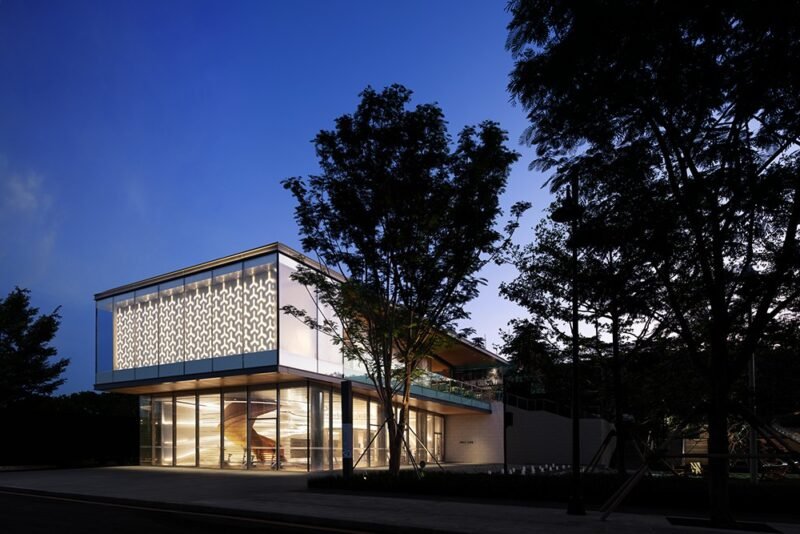
Control of Color Rhythm
Color is an important link connecting indoor and outdoor spaces. The selection of facade colors should not only consider the building itself but also focus on the color scheme of the interior space. Generally, color strategies such as “darker exterior, lighter interior” or “simpler exterior, richer interior” can be adopted: the building facade uses relatively calm colors to establish a stable image, while the interior develops more abundant color layers based on this foundation. The continuous use of key color elements can strengthen the visual connection between internal and external spaces.
Visual Penetration and Extension
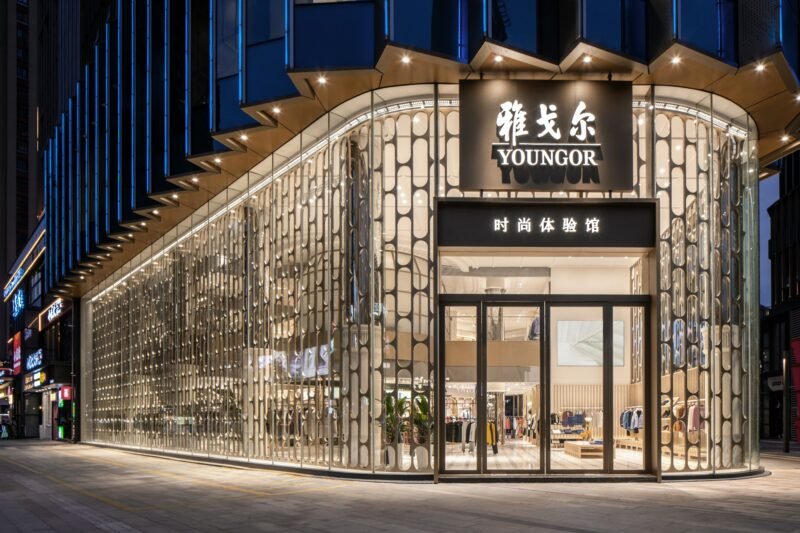
Skillful use of visual extension techniques can break down the boundaries between indoor and outdoor spaces. A transparent facade design makes the indoor scene faintly visible, attracting customers to enter and explore; the use of floor-to-ceiling glass introduces outdoor landscapes into the interior, enriching the spatial layers; and unified visual elements extend from the exterior facade to the deepest corners of the interior, creating a complete visual journey. This visual continuity allows customers to feel a natural transition when moving within the space.
Consistent Application of Cultural Elements
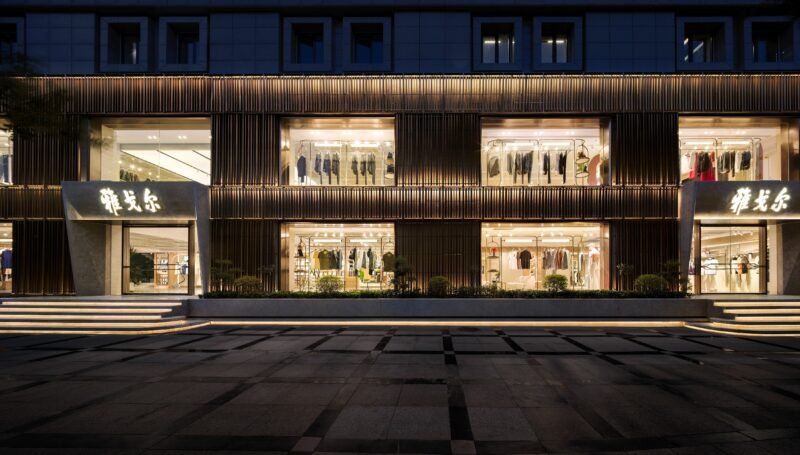
For commercial spaces with regional characteristics or cultural heritage, the coherence of cultural elements is particularly important. The modern expression of traditional architectural vocabulary, the innovative use of local materials, and the contemporary representation of cultural symbols—all these elements need to maintain a consistent expression in both facade and interior design. The coherence of these cultural elements can enhance the unique temperament of the space and establish a profound cultural identity.
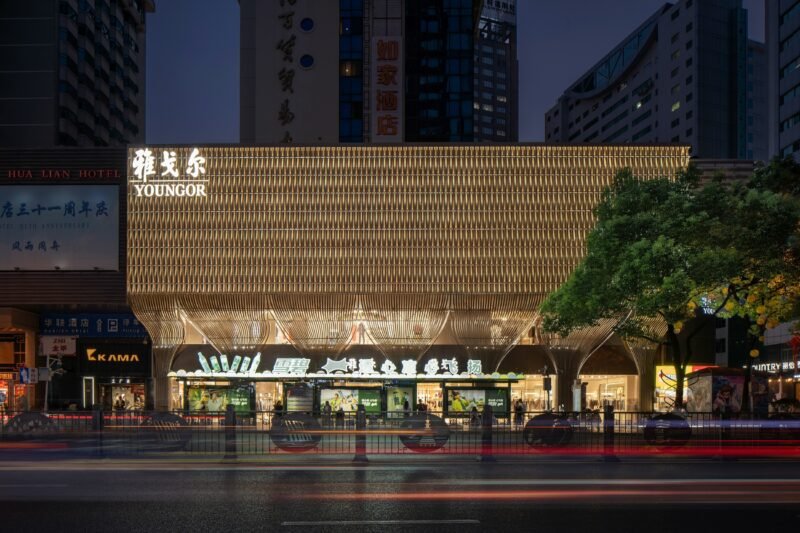
When the building facade and the interior space form a perfectly coherent whole, the commercial space transcends being a mere functional carrier and becomes a complete work of art. In such a space, customers can perceive the depth and integrity of the design, thereby developing a deeper sense of identification with the brand. This outward-inward design coherence not only enhances the aesthetic value of the space but also strengthens the overall brand image, ultimately achieving a perfect integration of commercial value and artistic value.