
Guide to Material Matching in Commercial Spaces: Creating Multi-Layered Sensory Experiences
In the design of commercial spaces, materials are not only the material foundation of the space but also a key element in creating unique sensory experiences. Excellent material matching can go beyond the visual level, creating unforgettable spatial memories through touch, sound, and even smell—thereby deepening the brand image and enhancing commercial value.

The Emotional Language of Materials and Brand Expression
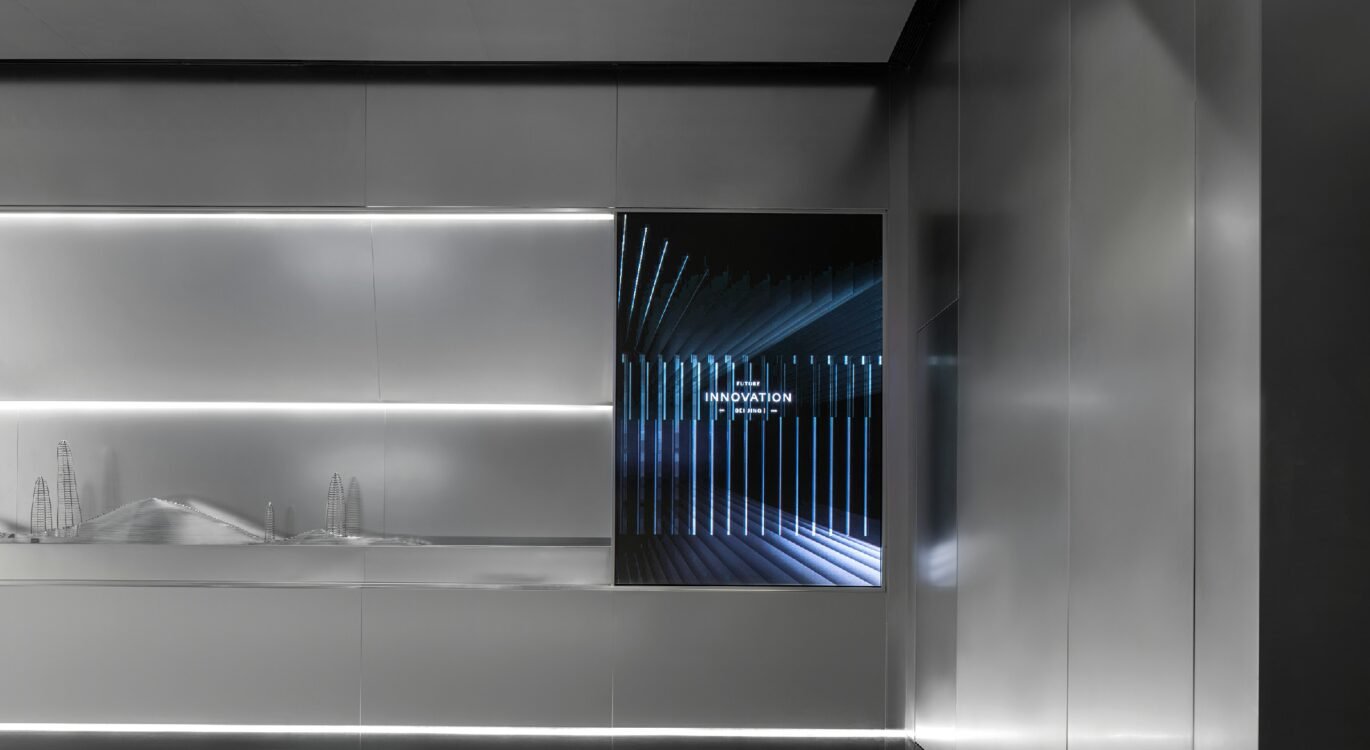
Each material has its own unique emotional language. Warm wood, with its simplicity and approachability, conveys a brand personality of warmth and nature; cold metal, with its sophistication and modernity, speaks to a corporate spirit of technology and efficiency; transparent glass, with its openness and brightness, symbolizes an organizational culture of transparency and communication.The selection of materials for commercial spaces must first align with the brand’s core identity, allowing the “language” of materials to become a carrier for the brand story. When customers step into the space, the texture of materials silently builds their first perception of the brand.

The Layered Principle of Material Matching
Successful material matching follows a precise layered principle:
- Base materials: Form the background tone of the space, usually accounting for about 60% of the visual proportion. Neutral and durable materials are preferred.
- Thematic materials: Highlight the space’s characteristics, accounting for approximately 30% of the visual proportion. They carry the main expression of the space’s style.
- Accent materials: Serve as visual focal points, making up around 10% of the visual proportion. They create highlights in the space through strong textural contrasts.
This clear layered matching logic not only ensures the overall unity of the space but also creates a rich visual rhythm.

Deliberate Design of Tactile Experiences
Material matching in commercial spaces requires special attention to tactile experiences. Areas that customers frequently touch—such as handrails, countertops, and seats—should use comfortable, skin-friendly materials; while visual focal areas can adopt more expressive, special materials.Contrasts in touch—such as smooth vs. rough, warm vs. cool, soft vs. hard—leave a deep sensory impression in customers’ subconscious. An excellent commercial space is like a symphony, playing a touching melody through the transition of different tactile sensations.
The Interactive Relationship Between Materials and Light
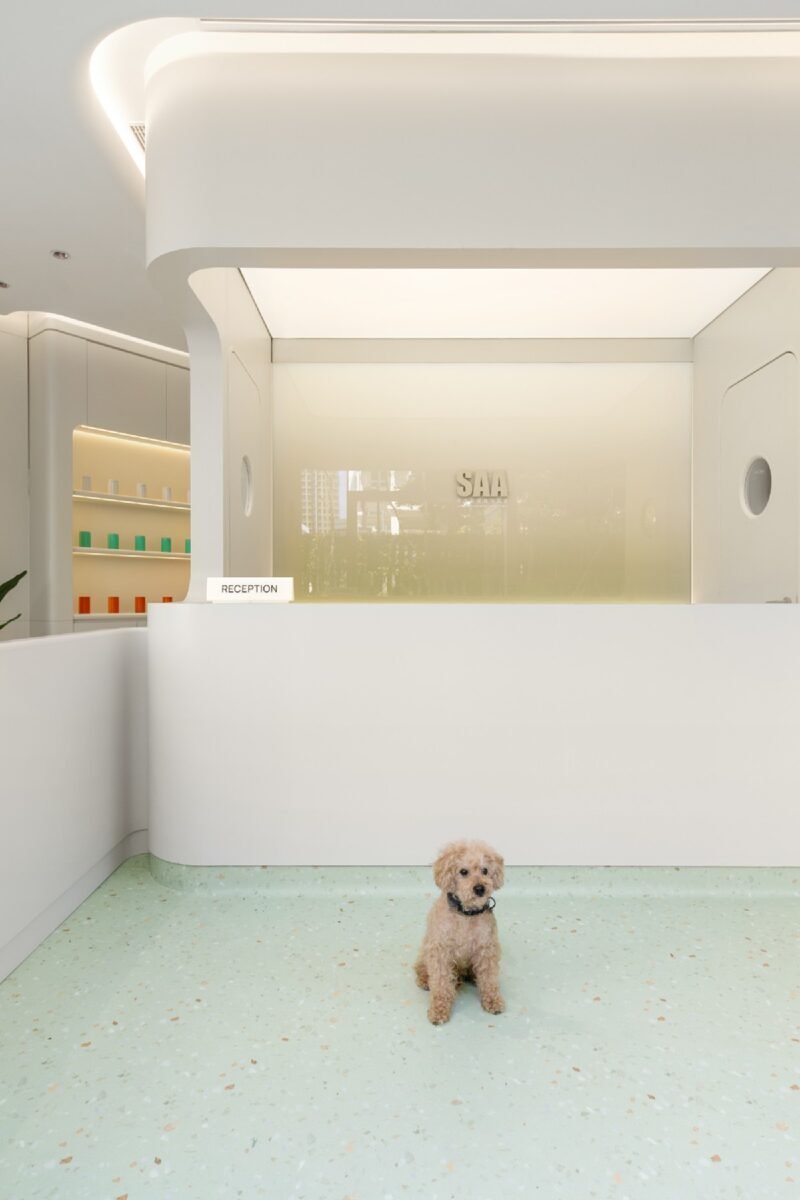
The expressiveness of materials cannot exist without the coordination of light. Smooth surfaces produce rich light and shadow changes under direct light, which is suitable for creating a dynamic and lively atmosphere; matte materials exhibit a soft texture in diffused light, helping to create a quiet and comfortable environment.Intelligent lighting systems can adjust the angle and intensity of light according to needs at different times, allowing the same material to show varied “expressions.” This “dance” between materials and light enables commercial spaces to display different charms at different times of the day.
Holistic Creation of Sensory Experiences
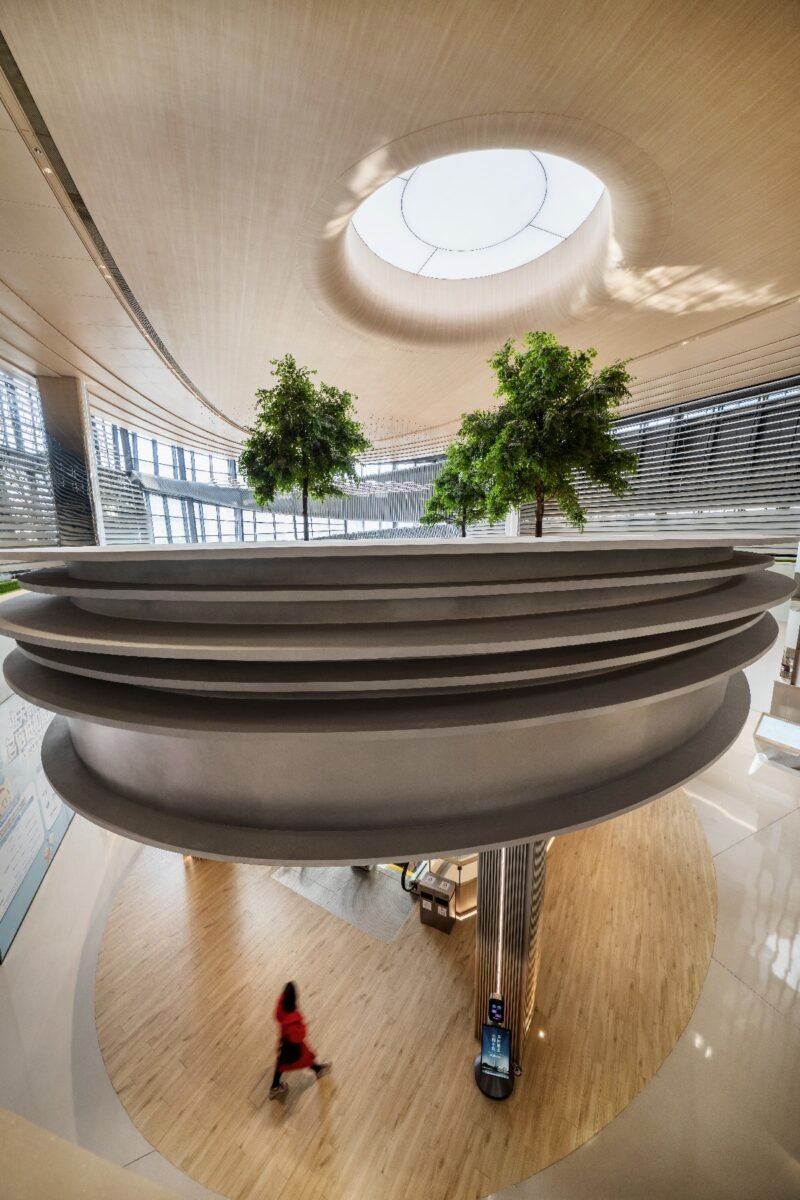
Beyond sight and touch, material selection also affects the auditory and olfactory experiences of a space. Soft materials absorb noise, creating a quiet commercial environment; hard materials reflect sound, fostering a lively commercial atmosphere.Natural wood emits a fresh, natural fragrance, while leather furniture exudes a sense of luxury—these intangible sensory experiences are closely tied to material selection. A truly successful commercial space knows how to engage all of the customer’s senses, creating a three-dimensional spatial experience.
In commercial space design, materials are never just decorative elements—they are emotional bonds connecting the brand and customers. When a customer’s fingers brush over carefully selected material surfaces, and when different materials interweave to create charming changes in light and shadow, these delicate sensory experiences take root in memory, becoming the deep foundation of brand recognition. Truly successful commercial outcomes often lie in these seemingly small yet touching material details.