
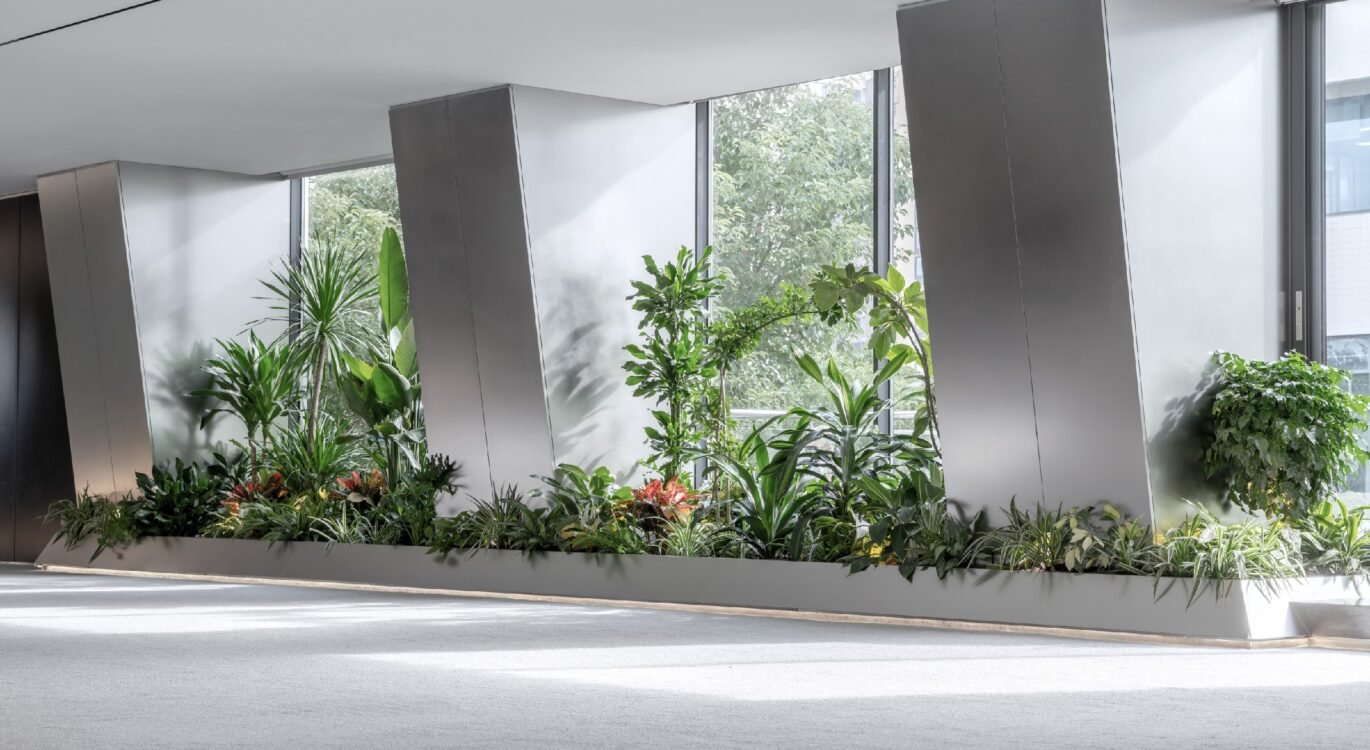
Soft Furnishing Design: The Code to Employee Well-being in Office Spaces
In the construction of contemporary office environments, soft furnishing design has evolved from a supplementary decoration to a core force in shaping humanistic care. Through creating spatial moods, optimizing functional zoning, and upgrading sensory experiences, it subtly nurtures employee well-being and serves as a vital carrier of an enterprise’s soft power.
Rest Spaces: Building Spiritual Healing Fields
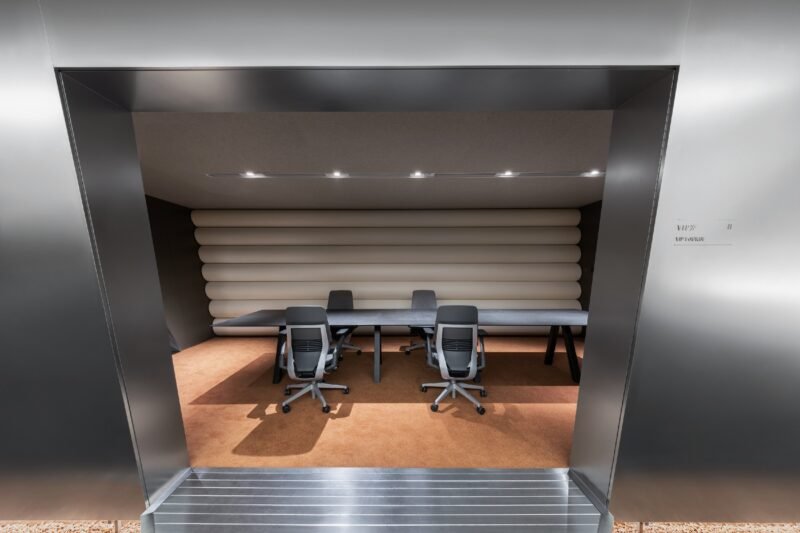
A well-planned rest area is a key node for releasing work pressure. Design should focus on:
Hierarchical functional zoning: Separating dynamic social zones from static meditation areas to meet diverse rest needs.
In-depth comfort penetration: Adopting ergonomic seating systems and skin-friendly material coverings.
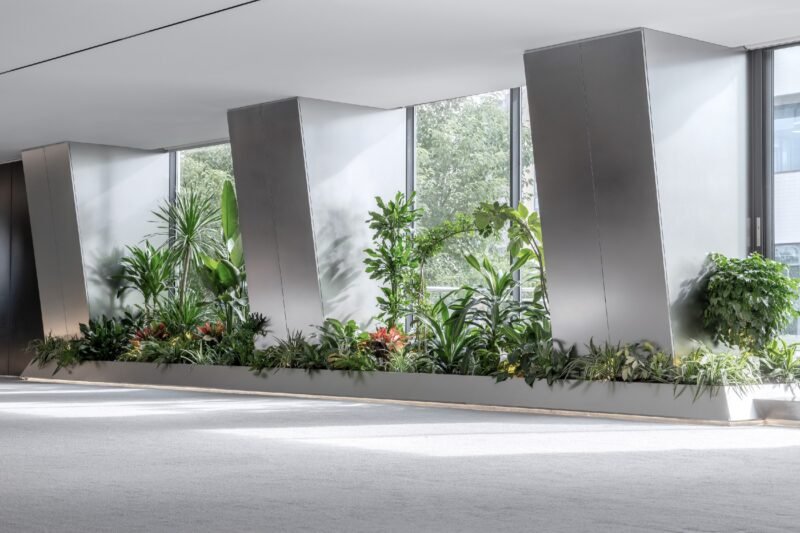
Integration of natural elements: Introducing green plant walls and natural materials to create a bio-affinitive environment.
Personalized Office Systems: Empowering Work Autonomy
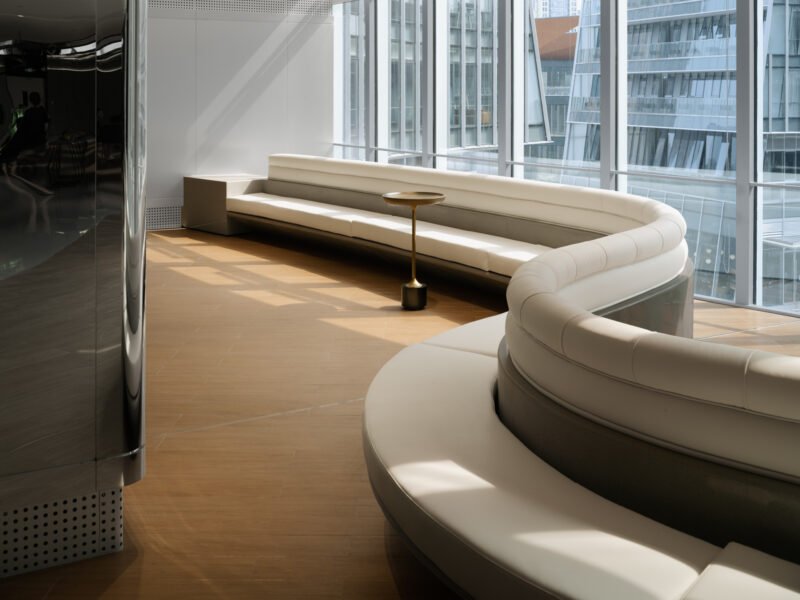
Endowing employees with autonomy over their environment is the profound wisdom of soft furnishing design. Modular office furniture, like detachable building blocks, allows everyone to reorganize their exclusive workspace according to work needs. Movable screen partitions create flexible private bubbles, and adjustable-brightness desk lamps put employees in control of light. When employees can independently define the boundaries of their work scenarios, the space transforms from a standardized container into a malleable “life theater”—this sense of control is a crucial source of psychological well-being.
Nature and Light: Sources of Healing
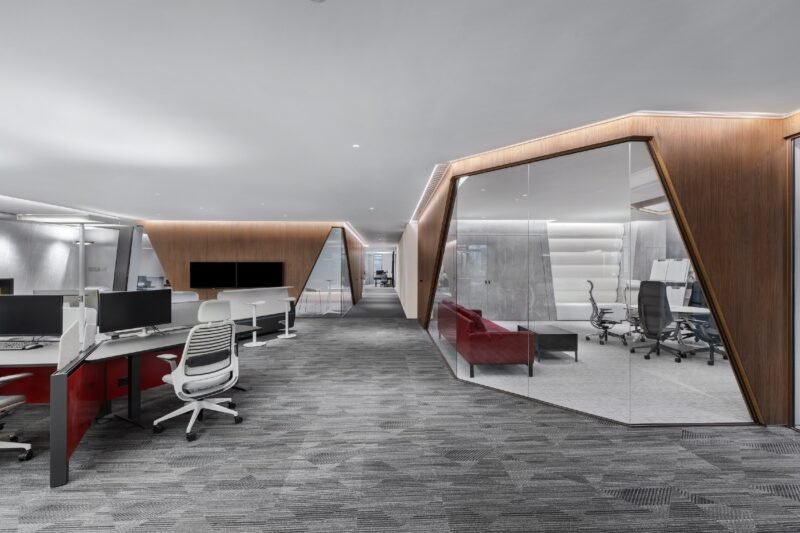
Introducing natural rhythms into interiors is the healing approach of soft furnishing design. The winding growth of vines on vertical green walls and the seasonal changes in desktop moss micro-landscapes embed the pulse of life into the mechanized rhythm of work. The use of natural materials further brings natural memories into the space: the warm texture of solid wood desks, the breathable quality of linen curtains, and the light-and-shadow play of rattan lamp shades—all awakening humanity’s primal attachment to nature in our genes. When every glance encounters vitality, anxiety is unconsciously alleviated.
Health Care: The Cornerstone of Hidden Well-being
Hidden designs safeguard physical and mental health:
Air quality management: Eco-friendly materials and fresh air systems form an environmental microcirculation.
Dynamic spatial configuration: Providing diverse work scenarios with varying light and sound environments.
In-depth application of ergonomics: Scientific support systems prevent occupational strain.
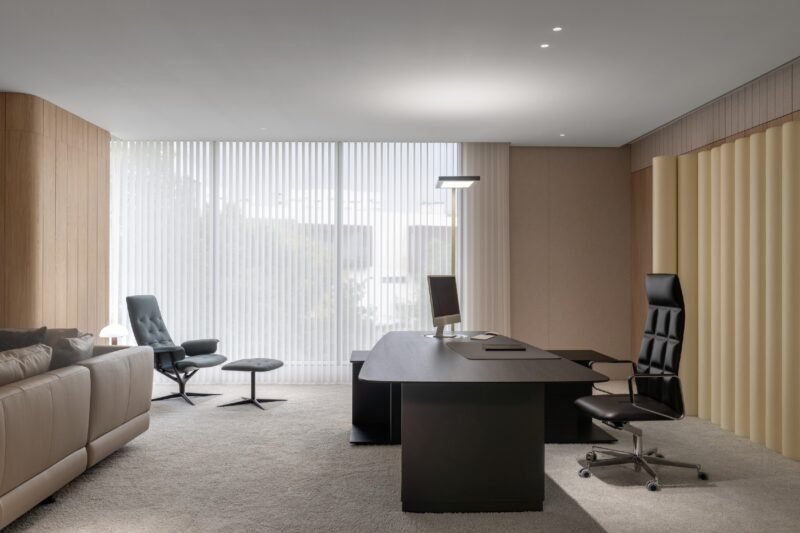
Corporate culture gains a warm interpretation through soft furnishings. Art installations express corporate philosophy in abstract language; color schemes strengthen brand genes visually; and custom furniture hides cultural codes in its details. This non-didactic transmission of values allows employees to naturally immerse themselves in the corporate spirit through their daily environment. When space becomes a carrier of culture, a sense of belonging quietly takes root in the routines of walking, sitting, and lying.
The essence of soft furnishing design is an emotional dialogue between space and people. When sunlight filters through sheer curtains to cast warm spots on wood-grained desks, when fingertips touch the delicate texture of natural materials, when every gaze falls on breathing greenery—these carefully woven spatial experiences ultimately converge into employees’ emotional identification with the enterprise. Excellent office soft furnishings, through the delicate crafting of five-sense experiences, cultivate an evergreen vine of well-being amid steel and concrete.