
The Magic of Lighting in Dining Spaces: The Art of Creating Atmosphere and Stimulating Appetite
In the complete symphony of the dining experience, lighting is the silent yet vital conductor. It transcends mere illumination, subtly weaving emotional ambiance, directly stimulating vision and psychology, becoming a key element in stimulating appetite and defining the quality of a space.
Color Temperature Choice: Setting the Emotional Tone
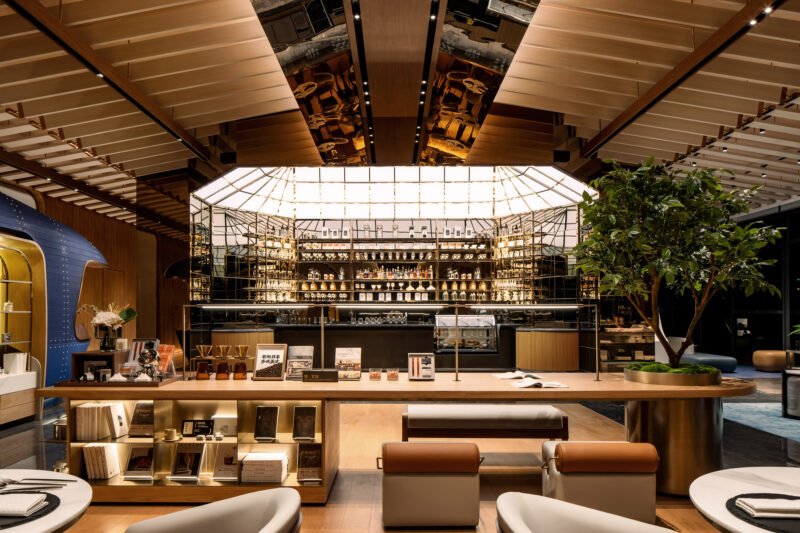
Color temperature is the “first language” of lighting ambiance. Warm-toned light sources (2700K-3000K), reminiscent of sunset glow or flickering candlelight, naturally convey warmth, relaxation, and intimacy. They are the go-to choice for creating a comfortable and cozy atmosphere in formal restaurants, cafes, and bars. Their welcoming feel effectively lowers diners’ psychological defenses, making them more easily immersed in food and conversation. Conversely, cool white light (4000K and above) brings a bright, efficient, and clean modern feel, commonly seen in fast-food restaurants, tea shops pursuing high table turnover, or open kitchen areas requiring precise operations. Choosing color temperature precisely is like laying an invisible foundation for the space.
The Play of Light and Shadow: Shaping Spatial Layers and Visual Focus
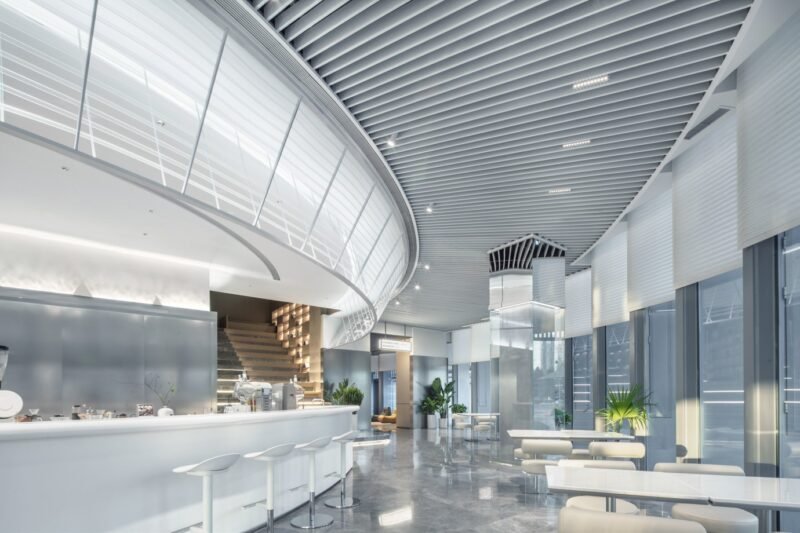
Excellent lighting design masters the philosophy of “harmony between light and dark.” The overall environment employs soft, lower illumination to create privacy and mystery, while the dining table surface needs to be accentuated, forming a visual focal point. This contrast not only naturally guides diners’ gaze towards the food but also imbues the space with depth and drama. High-end restaurants often use adjustable spotlights or elegant pendant lights to create bright “light islands” on the table, while the surrounding environment gradually immerses itself in a warm, hazy glow, allowing focus solely on the culinary creations before them.
Layered Lighting: The Dance of Ambient, Task, and Accent
Rejecting the dullness of single-source lighting, design must build rich layers:
1.Ambient Lighting: Such as evenly distributed downlights or concealed light strips, providing overall brightness, ensuring safety and comfort, laying a foundational base.
2.Task/Accent Lighting: Focused on dining tables, bars, signature dish display areas, or art installations. Precise beams highlight the core, enhancing perceived value and attraction.
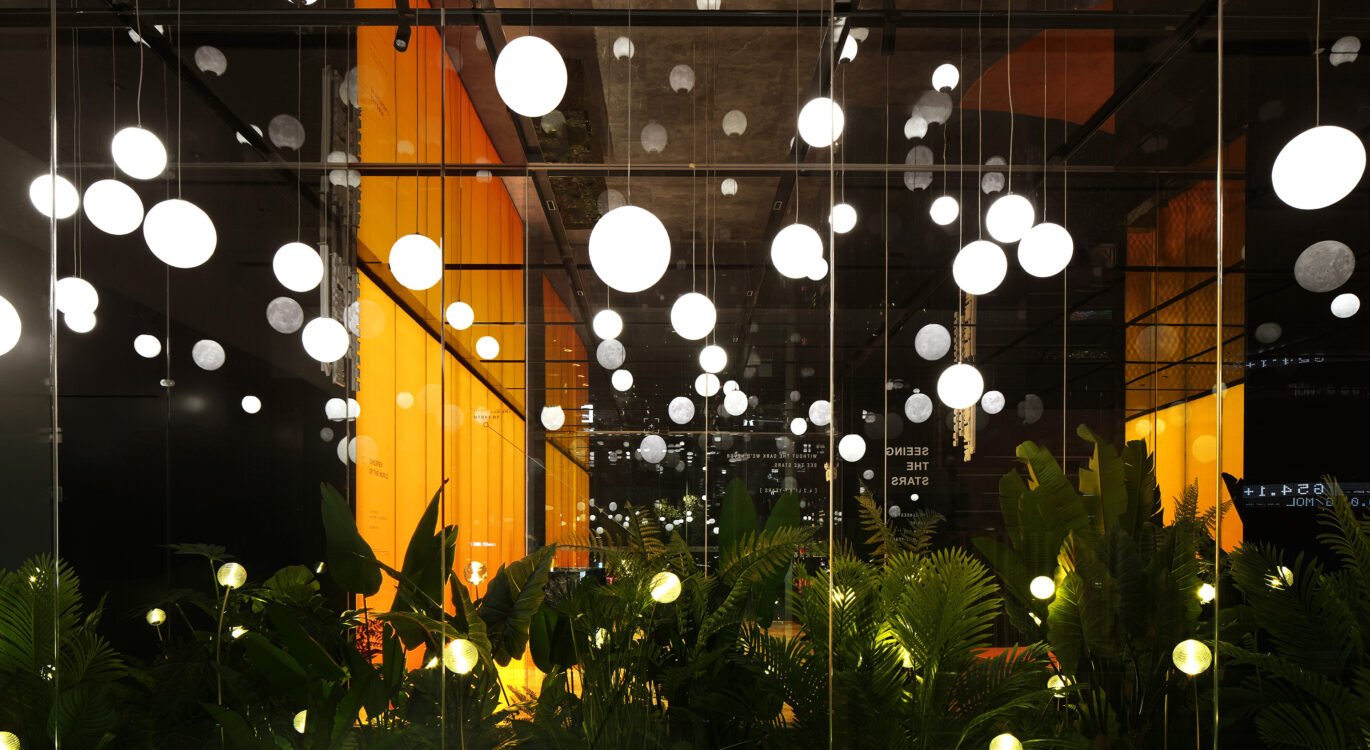
3.Decorative Lighting: Sculptural pendants, wall sconces, light strips, or artistic light installations. These not only fulfill lighting needs but become vital components of the space’s aesthetics, telling the brand story and strengthening memorability.
Dynamic Rhythm: Adaptable Variations for Different Times
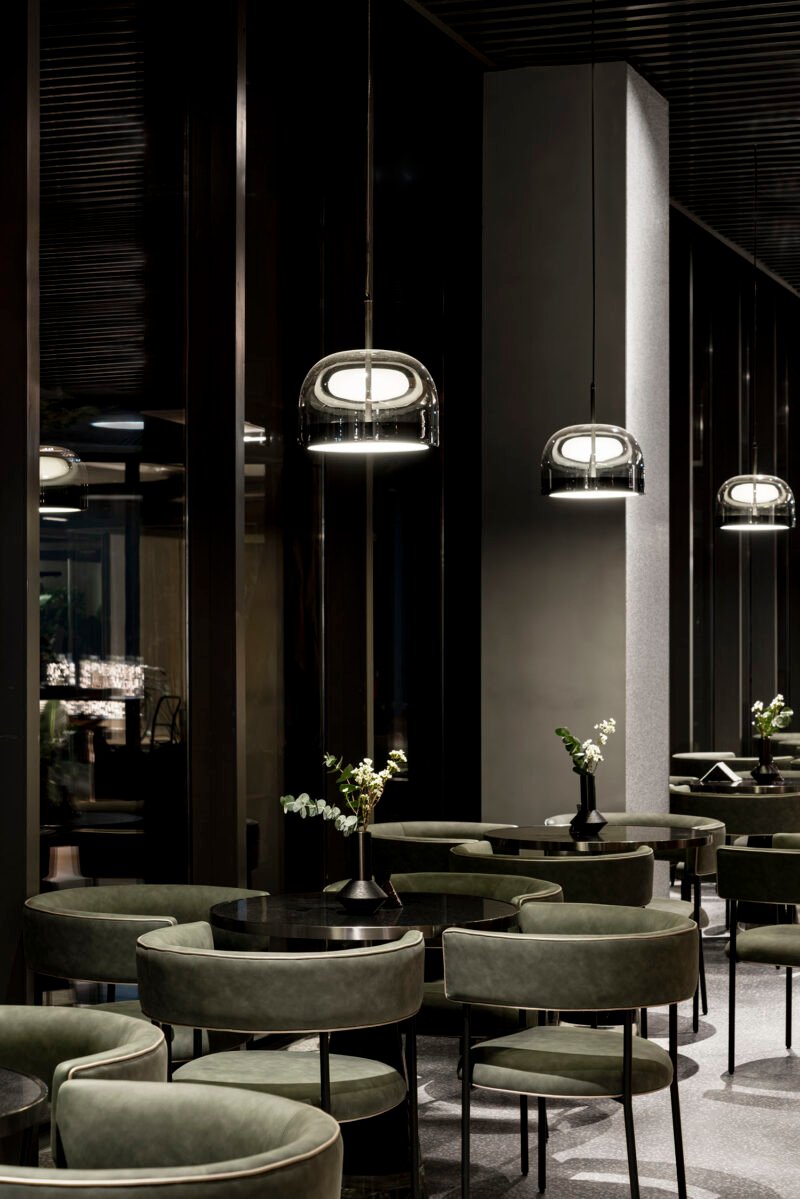
Lighting should not be static. Intelligent dimming systems allow the space to display different “expressions” throughout the day: bright and clear during lunch service to boost efficiency; dimmed main lights during dinner, supplemented by accent and decorative lighting to create a romantic, intimate atmosphere. During specific holidays or events, changes in lighting color and mode can instantly ignite thematic excitement, surprising guests.
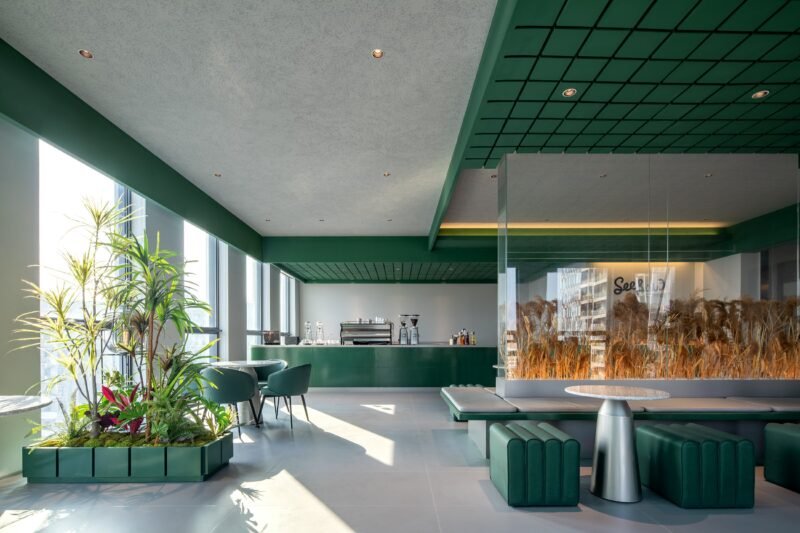
Integration: Lighting in Dialogue with the Overall Space
Lighting design does not exist in isolation. It must harmoniously resonate with the spatial style, material textures, color schemes, and furniture arrangements. An industrial space might pair exposed bulbs and metal track lights to echo its rugged character; a Chinese restaurant suits warm paper lanterns or wooden frame lights to convey Eastern aesthetics. The reflections, diffusions, and shadows produced by the interaction of light and materials collectively form the final texture of the space.
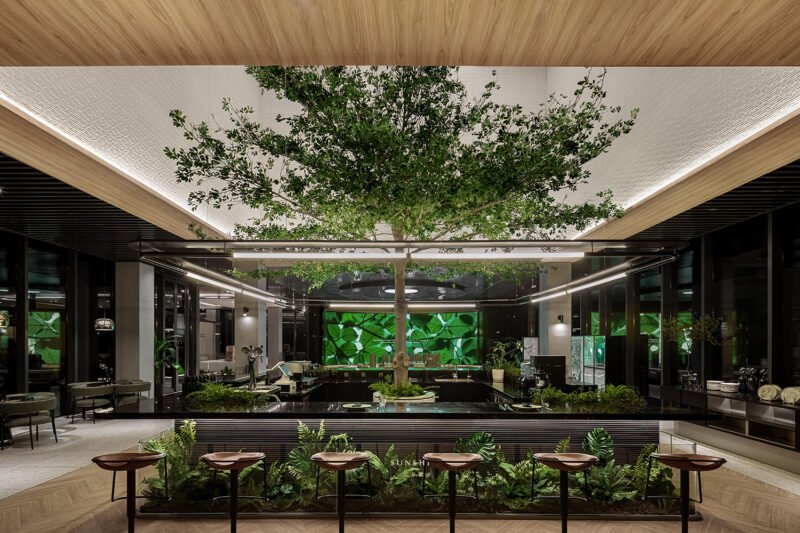
The role of lighting in dining spaces has long surpassed the functional “ability to see.” It is an atmosphere creator, an emotional catalyst, and an invisible driver of appetite. From precise color temperature selection and exquisite light-dark contrast, to layered lighting arrangements, faithful color rendering, and scene-adaptive dynamic changes, every sculpting of light and shadow is a deep understanding and respect for the customer experience. When light, food, and space dance in harmony, they achieve the unforgettable art of dining.